
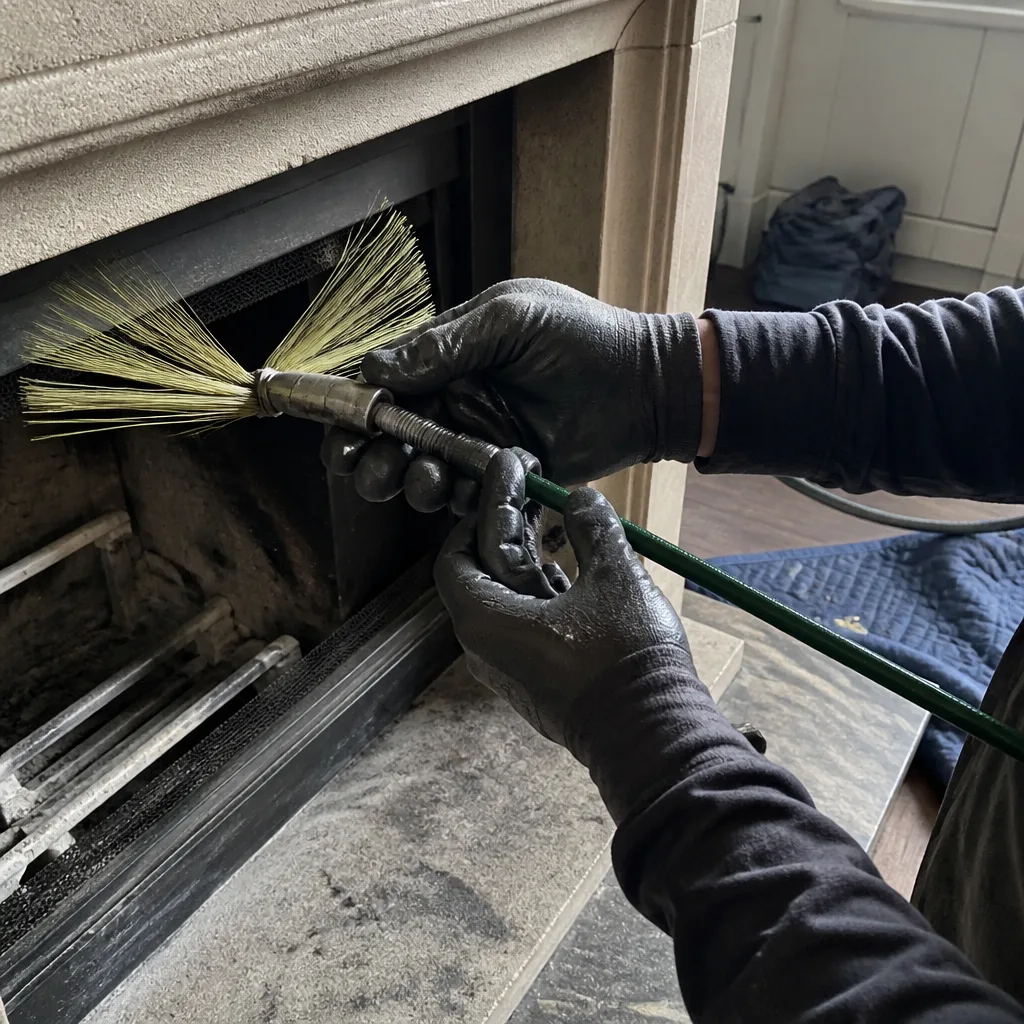
Last updated November 2, 2026
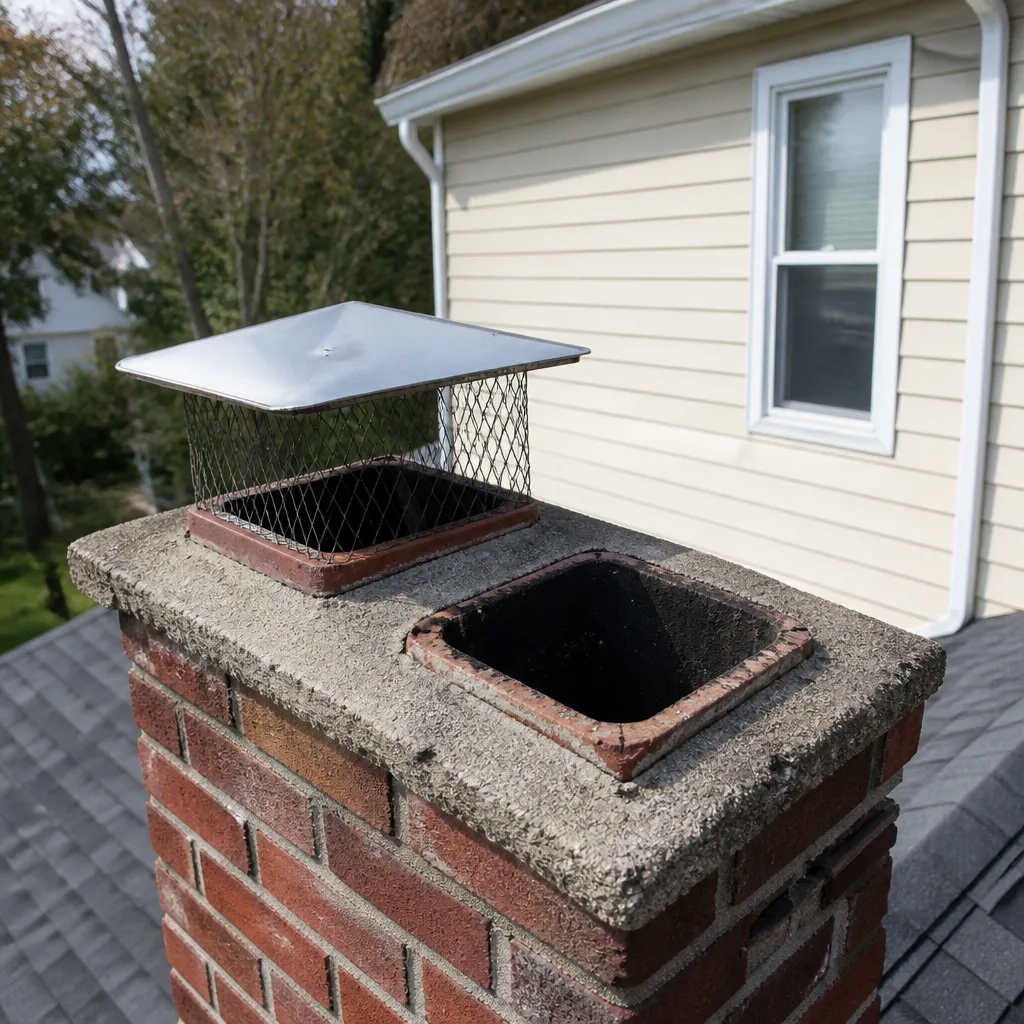 Sweep & inspection
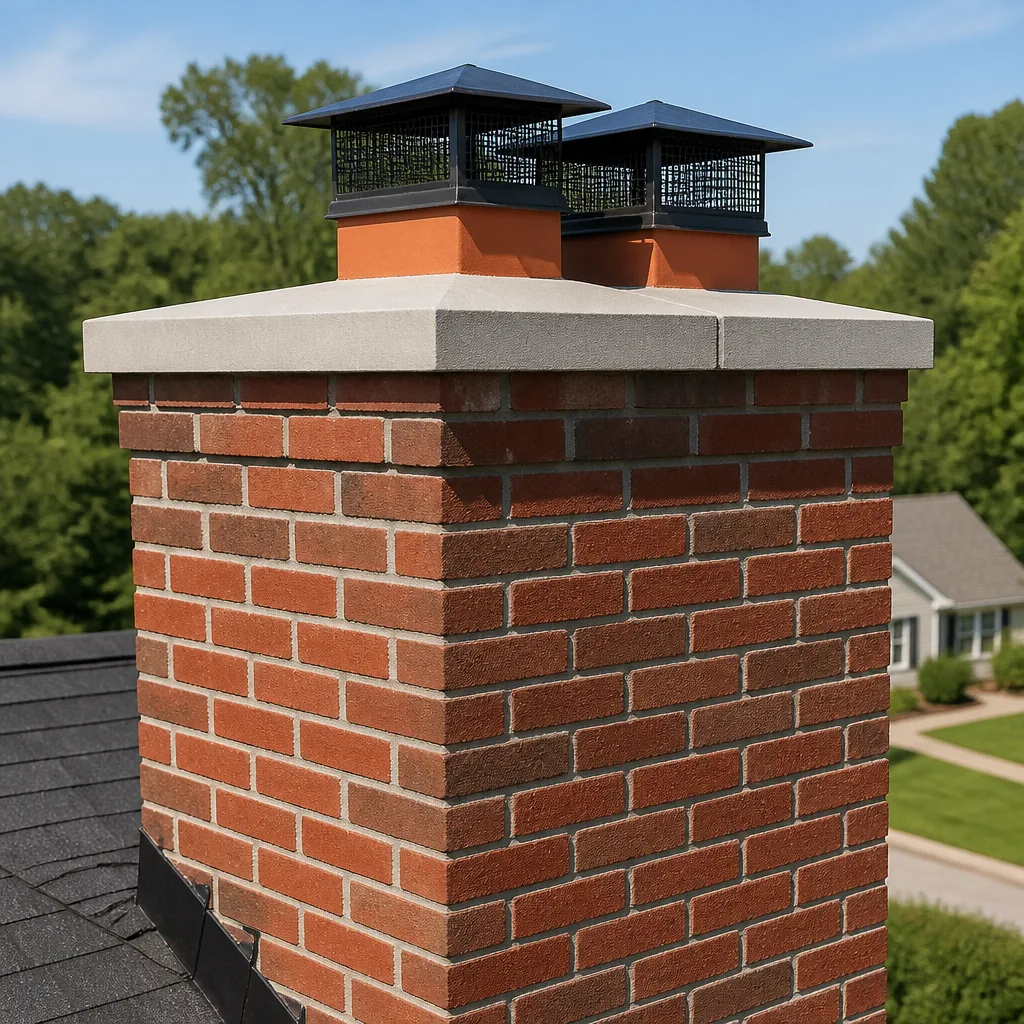 Caps & crowns
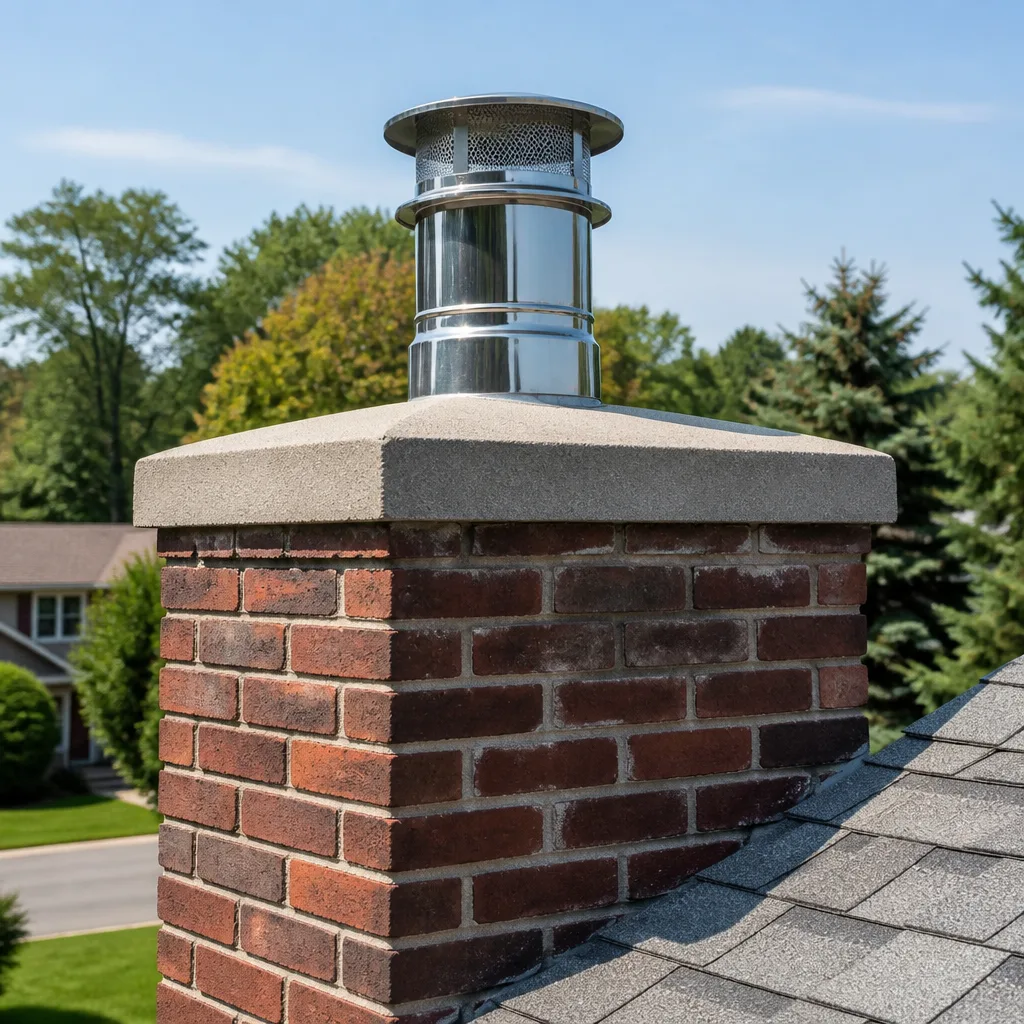 Flue relining
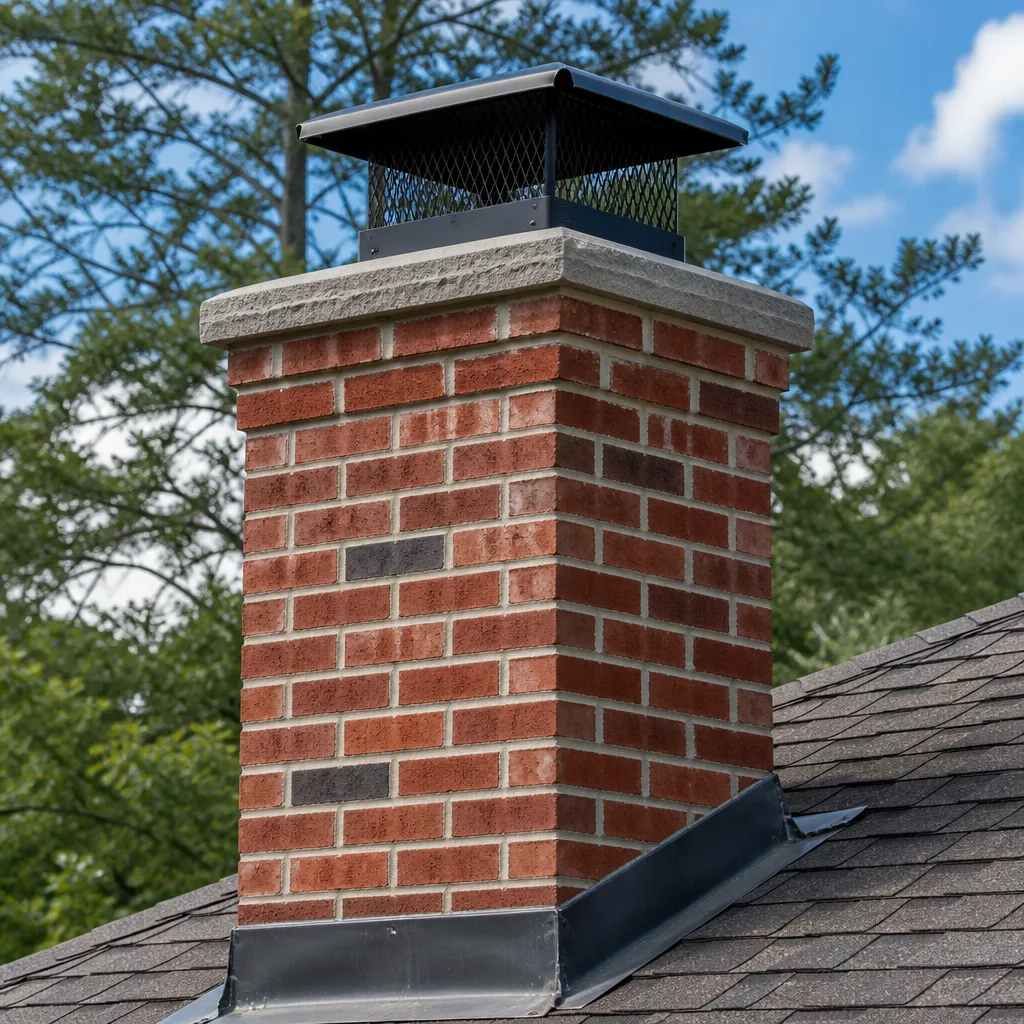 Masonry repair
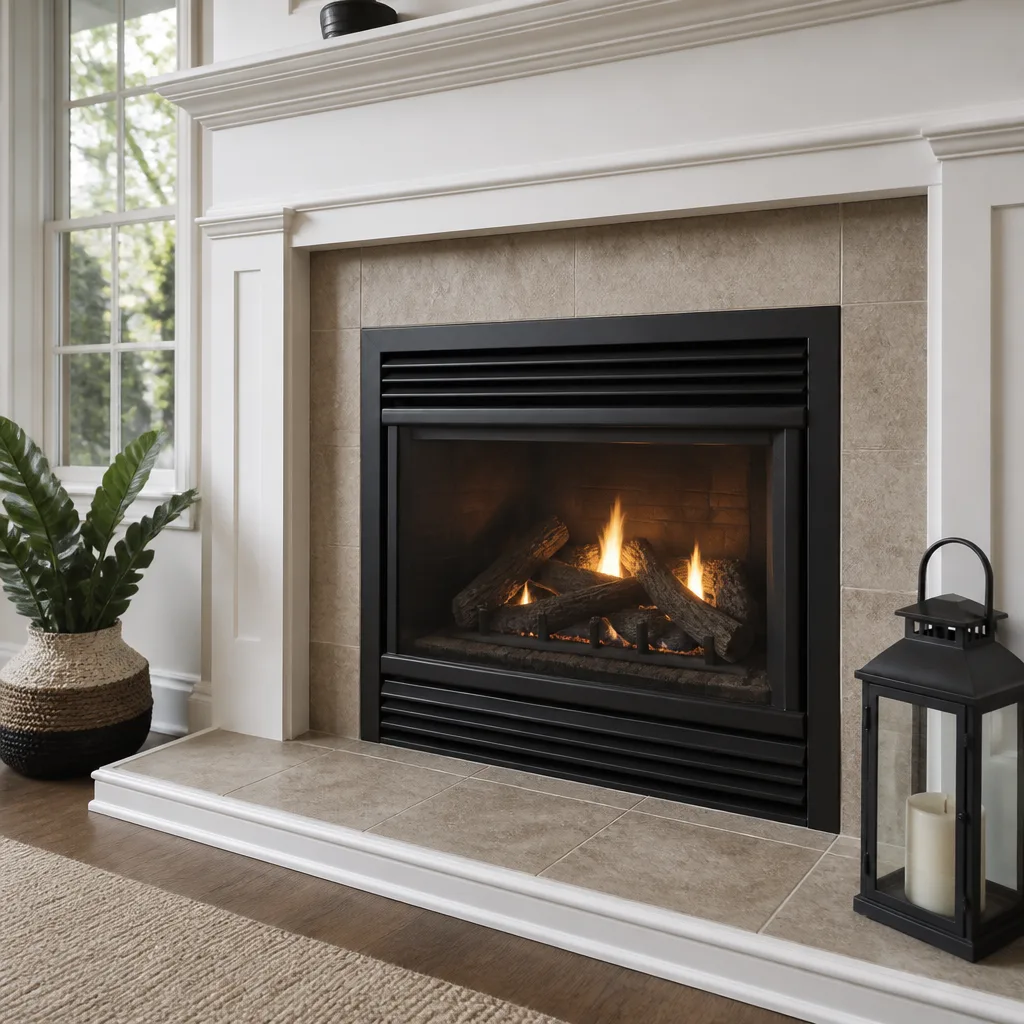 Gas fireplace service
Level 1 sweep and inspection to the NFPA 211 annual standard - flue, crown, cap, and flashing checked and photographed
Chimney sweep logs do not sweep chimneys. They loosen some creosote - which then falls where a brush and vacuum still have to collect it.
Seasonal Chimney Cleaning Care for Santa Monica: Year-Round Homeowner’s Guide
Here’s something most chimney advice gets wrong for Santa Monica: the worst time to discover your chimney needs attention isn’t in January. It’s during a Santa Ana wind event in October, when humidity drops into single digits, outdoor burning restrictions blanket Los Angeles County, and every fireplace in Santa Monica suddenly becomes tempting after months of disuse. That’s precisely when creosote buildup, debris blockages, and cracked flue liners become genuinely dangerous. This guide covers what Santa Monica’s actual climate does to chimneys, when to schedule service in our specific seasonal cycle, and what to check between professional cleanings.
Styles & brands we work with
- Sweep & inspection
- Caps & crowns
- Flue relining
- Masonry repair
- Gas fireplace service
Quick Answer
In Santa Monica, optimal chimney cleaning happens in late summer (August through September), before Santa Ana wind season and the fall fireplace season begin. Our marine-layer climate creates moisture-related masonry stress in winter and spring, while autumn brings wind-driven debris and the highest fire-risk weather of the year, so seasonal care follows an inverted calendar compared to colder regions. Most Santa Monica chimneys need annual cleaning plus a visual inspection after each rainy season.
Table of Contents
- Why Santa Ana Winds Change Everything About Chimney Care
- The Marine Layer’s Impact on Masonry and Flue Systems
- The Optimal Cleaning Window: Why August and September Win
- Spring Inspection Priorities After the Rainy Season
- Navigating Santa Monica’s Outdoor Burn Restriction Periods
- A Month-by-Month Santa Monica Chimney Care Calendar
- What Homeowners Can Safely Check Between Cleanings
- Common Mistakes to Avoid
- When to Call a Professional
- Frequently Asked Questions
- The Bottom Line
Key Takeaways:
- Santa Monica’s fire season peaks in fall, not winter, which flips the conventional chimney maintenance calendar.
- Santa Ana wind events can reverse chimney draft in minutes, pushing smoke and carbon monoxide into living spaces.
- The marine layer causes moisture-expansion stress in porous brick and mortar even without freeze-thaw cycles.
- August and September are the optimal months for professional cleaning in Santa Monica because they precede both wind season and the first fireplace use of the year.
- Post-rainy-season inspections catch moisture intrusion before it becomes liner or masonry failure.
- Chimney cleaning and structural repair belong together: a sweep report only matters if someone can fix what’s found.
Why Santa Ana Winds Change Everything About Chimney Care
Santa Ana winds are what make Santa Monica’s chimney calendar genuinely different from the rest of the country. These offshore wind events occur most frequently from September through December, sometimes extending into January. They bring hot, extremely dry air descending from the high desert, and they arrive with sustained speeds that routinely hit 30 to 50 mph along the Santa Monica coast, with gusts occasionally exceeding 70 mph in canyons and foothill areas.
For chimney function, Santa Ana conditions create three specific problems that most national chimney guides never mention.
Backdrafting risk. High-velocity winds moving across a chimney crown create a low-pressure zone at the flue opening. In a well-designed system, the chimney cap and flue height account for this. But if the flue is partially obstructed by creosote, debris, or a damaged cap, the negative pressure at the top can overcome the natural upward draft. The result: smoke and combustion gases flow backward into the home instead of up and out. This is how wind events turn a routine fire into an indoor air-quality emergency.
Debris intrusion. Santa Ana winds carry more than hot air. They strip leaves, palm fronds, and small branches from the urban canopy that runs through Santa Monica’s residential streets from Pico Boulevard to San Vicente. In our experience, uncapped or under-capped chimneys collect an alarming amount of wind-driven organic material during a single Santa Ana event. That material dries within days in the single-digit humidity, becoming tinder sitting inside your flue. The first fire of autumn ignites it, and now you have a chimney fire instead of a cozy evening.
Draft reversal during low burn. Many Santa Monica homes use gas logs or gas inserts rather than full wood fires. Gas appliances produce lower-temperature exhaust than wood, meaning the draft is weaker from the start. During sustained Santa Ana winds, that weaker draft can be overpowered by external pressure, particularly in chimneys on ocean-facing walls. Carbon monoxide then flows into the house instead of venting outside. This is why functional carbon monoxide detectors belong in every room with a fireplace or gas appliance, in Santa Monica and everywhere else.
What to Do Before Wind Season
- Schedule a professional cleaning in August or early September. This removes last season’s creosote and any accumulated debris before the wind season adds more. See our Chimney Sweep in Santa Monica service for what a full cleaning includes.
- Verify your chimney cap is intact and properly fitted. A missing or damaged cap is an open invitation for wind-driven debris. Caps also reduce downdrafts in windy conditions.
- Check for existing debris before lighting the first fire after a wind event. If you hear scratching sounds, see leaf fragments at the firebox floor, or smell an unusual odor, hold off and call a professional.
- Test carbon monoxide detectors. This should be done at the start of Santa Ana season, not just in winter.
In Santa Monica, the wind season consistently precedes what most homeowners think of as “fireplace season.” By the time you’re ready to light a fire in November, the chimney has already been through weeks of wind stress. Being ready before the wind arrives is the single highest-value adjustment a coastal homeowner can make.
The Marine Layer’s Impact on Masonry and Flue Systems
Every chimney guide written for cold climates obsesses over freeze-thaw cycling: water seeps into brick pores, freezes, expands, and spalls the surface. Santa Monica rarely sees freezing temperatures, so that particular failure mode is uncommon here. But the marine layer brings a different and equally persistent problem: moisture-expansion cycling.
Santa Monica’s marine layer sits over the coast for 200 to 300 days per year, especially from May through early August. It brings fog, mist, and high relative humidity in the mornings and evenings, even when afternoons clear. Porous masonry absorbs that atmospheric moisture, and each absorption/drying cycle causes micro-expansion and contraction in the brick and mortar matrix. Over years, this produces the same visible symptoms as freeze-thaw damage: flaking brick faces, crumbling mortar joints, and white efflorescence deposits.
For chimneys specifically, the marine layer creates several characteristic issues we see across Santa Monica’s older housing stock, particularly in single-family homes built between the 1920s and 1960s north of Montana Avenue and in the Sunset Park neighborhood.
What the Marine Layer Does to Different Chimney Materials
- Brick and mortar: Repeated moisture cycling breaks down the lime binder in mortar joints faster than inland locations with more stable humidity. Older chimneys with lime-based mortar are especially vulnerable. The visual signature is sandy, crumbling mortar accumulating at the chimney base or in the firebox.
- Clay flue liners: Moisture penetration through cracked crown mortar can reach interior clay liners. When the liner is then heated by a fire, trapped moisture converts to steam, which can cause flaking and cracking of the clay surface. This is a progressive failure that starts small and worsens with each heating cycle.
- Metal flashing: Marine-layer moisture accelerates corrosion in galvanized flashing. Coastal homes in Santa Monica often see flashing rust-through within 15 to 20 years, faster than inland. Corroded flashing allows rainfall to enter the chimney chase, compounding moisture damage.
- Damper assemblies: Cast-iron dampers rust readily in persistent coastal humidity. A rusted damper may fail to fully open or close, affecting draft control and increasing utility loss when the fireplace is not in use.
When moisture-related deterioration progresses far enough, the fix goes beyond cleaning. For flue liner damage from moisture and heat cycling, chimney repair in Santa Monica often involves resurfacing. We use HeatShield, a proprietary flue resurfacing material that can restore a damaged flue interior without the cost of full relining. This is a significant distinction: many chimney companies can tell you your liner is cracked, but fewer can actually restore it.
The Optimal Cleaning Window: Why August and September Win
The conventional chimney wisdom says: schedule your sweep in late summer or early fall, before the heating season. For most of the country, that’s September or October. For Santa Monica, the logic runs the same way, but the timing is more urgent and the window is earlier.
Here’s the Santa Monica-specific reasoning. The first Santa Ana winds typically arrive in September, though significant events can occur as early as late August. Peak Santa Ana season is October through December. That means by mid-September, your chimney is already in its highest-risk period of the year for both draft disruption and debris intrusion. If you schedule cleaning in October, you are already behind the curve.
August and September offer several practical advantages. The marine layer is still present, but the weather patterns that produce coastal fog are beginning to shift, giving cleaner, drier working conditions. The previous winter’s creosote has had a full spring and summer to dry into a hard, flammable glaze. Cleaning it before the fire season begins removes the fuel source before the first use. And from a scheduling perspective, August is a lull period for chimney companies across Southern California, meaning easier appointment availability and faster service.
The Case for Annual Cleaning in Santa Monica
Some homeowners who use their fireplace only a handful of times per year wonder whether annual cleaning is excessive. Here’s the reality. Even occasional use produces creosote, and creosote’s flammability is not proportional to fireplace usage hours. A single season of even ten or twelve fires can produce enough glazed creosote to support a chimney fire under the right conditions. Add in wind-driven debris as an additional fuel source, and the fire triangle (fuel, oxygen, heat) completes faster than most homeowners expect.
The National Fire Protection Association (NFPA) Standard 211 specifies that chimneys should be inspected at least once annually and cleaned when creosote accumulation reaches 1/8 inch. In Santa Monica’s climate, the debris-intrusion factor makes annual cleaning the practical minimum, regardless of usage frequency.
We perform full cleaning and inspection in one visit. That inspection matters because a cleaning alone doesn’t reveal what’s underneath the creosote. A sweep report means nothing if no one can fix what’s found. Our Chimney Sweep service in Santa Monica pairs the cleaning with a condition assessment, so you know on the same day whether your flue is sound, your cap is intact, and your damper is functioning.
Spring Inspection Priorities After the Rainy Season
Santa Monica’s rainy season runs roughly from November through March, with the heaviest rainfall typically in January and February. Rainwater is the single most damaging external agent for any chimney system, and coastal chimneys face it from two directions: direct rainfall and wind-driven moisture from storm fronts coming off the Pacific.
Once the last significant rain of spring has passed, a post-rainy-season inspection catches problems before they compound through the summer. Here’s what that inspection should focus on, in order of priority.
1. Crown and Cap Condition
The chimney crown is the concrete or mortar slab that seals the top of the masonry, sloping outward to shed water. Hairline crown cracks allow water into the masonry structure. Once inside, that moisture migrates through the brick and mortar, accelerating the degradation cycle. A damaged or missing rain cap compounds the problem by allowing direct rainfall into the flue. Santa Monica homes within a mile of the ocean see accelerated crown wear from salt air exposure, which corrodes the reinforcing mesh inside concrete crowns faster than inland locations.
2. Flashing Integrity
Flashing is the metal barrier where the chimney meets the roofline. This is the most common leak point for chimney systems in any climate, and Santa Monica’s marine air accelerates flashing corrosion. Check for lifting, rust stains, and missing sealant. Interior water stains on ceilings near the fireplace wall are the telltale sign of flashing failure.
3. Efflorescence and Masonry Surface Changes
White, chalky deposits on exterior brick indicate water is moving through the masonry and depositing salt on the surface. In Santa Monica, efflorescence appears most clearly after the rainy season ends and the marine layer moves into its summer pattern. New efflorescence following winter rains means water is entering somewhere and should be traced to its source. Left unaddressed, the same moisture intrusion will spall brick faces and erode mortar joints within a few seasons.
4. Interior Flue Inspection
Post-rain inspection should also include a look at the flue interior for signs that water reached the liner. Rust streaks, flaking clay surfaces, or moisture staining inside the flue indicate that water has penetrated past the crown or cap and reached the interior. This is where HeatShield resurfacing becomes relevant. If water damage has begun to compromise the flue liner but has not caused structural failure, resurfacing can restore the flue’s integrity without the expense of removing and replacing the liner. This is a cost-saving capability that most cleaning-only companies cannot offer.
5. Firebox and Damper Check
The end of the rainy season is also the right time to inspect the firebox for cracked firebrick or deteriorating mortar joints. Water intrusion into the firebox accelerates joint degradation when subsequent fires heat the trapped moisture. A damper that has rusted over the winter may not seal properly, which affects draft when you’re ready to burn again in the fall.
Our recommendation for Santa Monica homeowners: book a post-rain inspection in April or May, particularly if you noticed any interior water staining, odd odors, or reduced draft during the winter months. The inspection is the same service visit as a cleaning, so you’re not paying for a separate call. Our Santa Monica chimney repair work is structured to fix what the inspection finds, not just document it.
Navigating Santa Monica’s Outdoor Burn Restriction Periods
When Santa Ana winds peak, the South Coast Air Quality Management District (SCAQMD) issues no-burn or limited-burn advisories for residential wood-burning in Los Angeles County. These advisories are tied to air quality forecasts and are most common during the fall wind season. Santa Monica residents are subject to these same restrictions.
What does this mean for chimney maintenance? A few practical consequences.
First, burn restrictions do not mean your chimney becomes a maintenance-free zone. Quite the opposite. When you’re not burning, the flue sits dormant while Santa Ana winds continue to load it with debris. If a restriction period lasts several weeks, and then the first burn happens without inspection, you’re introducing fire to a flue that has accumulated unknown material.
Second, burn restrictions often coincide with exactly the weather conditions that make chimney fires most dangerous. Low humidity, high winds, dry vegetation, and reduced access for emergency responders all compound the risk if a chimney fire starts. The wisest approach is to treat any burn-restriction period as a reminder that your flue needs to be clean before restrictions lift.
Third, for homes with wood-burning fireplaces, adapting to restriction periods may mean using the fireplace not at all during advisory days, even if you have a permit of some kind. The regulations exist because airborne particulates from wood-burning settle in the marine inversion layer and degrade regional air quality. A clean chimney produces less particulate than a dirty one, but no wood fire is particulate-free. Using a gas insert or gas logs, if available, is the compliant alternative during advisory periods.
Adapting Your Use Patterns
- Check current burn advisories before lighting any wood fire. SCAQMD maintains a real-time advisory map. Bookmark it and check it during fall and winter.
- If you have a gas insert, use it during restriction periods. Gas appliances are generally exempt from wood-burning restrictions. Note that gas appliance chimneys still need annual inspection: carbon monoxide venting is not optional.
- After a restriction period ends, inspect the firebox for deposited debris before lighting a wood fire. Wind-driven material can enter the firebox even when the damper is closed, depending on cap and damper condition.
- Do not use the fireplace as a substitute for heating during restriction periods. The temptation on a cool, windy night is to light a fire for warmth. This is the fastest path to an air-quality violation and a hazardous burn in suboptimal chimney conditions.
A Month-by-Month Santa Monica Chimney Care Calendar
This is the full annual cycle, tailored to Santa Monica’s actual seasons rather than the generic national pattern.
January – February: Peak Use and Peak Rain
The wettest months of the year coincide with the coldest indoor temperatures. Fireplaces see their heaviest use. This is the time to watch for water intrusion signs: interior stains, musty odors, or drips in the firebox after heavy rain. Continue using the fireplace as desired, but note any changes in draft or smoke behavior and report them to your chimney professional.
March: Post-Rain Assessment
As rain tapers off, assess the exterior condition of the chimney from ground level. Look for new efflorescence, visible mortar deterioration, or cap issues. These are indicators that water reached the masonry during the rainy season and should be scheduled for professional attention.
April – May: Spring Inspection Window
This is the optimal time for the post-rainy-season inspection described above. The weather is mild, the marine layer is beginning its summer pattern, and any repair work identified can be scheduled before the summer heat and fall wind season compress the schedule.
June – July: Marine Layer Peak and Masonry Stress
Peak June Gloom humidity creates the moisture-expansion conditions described earlier. While no active maintenance is required during these months, this is the period when existing masonry damage compounds. If you identified cracks or mortar loss in the spring, schedule repair before the fall fire season.
August – September: The Cleaning Window
This is the primary service window. Schedule professional chimney cleaning in August or early September, before the first Santa Ana winds arrive. This is the single most important timing decision in the Santa Monica chimney care calendar. If your annual cleaning happens in any other month, it’s happening too late.
October – November: Santa Ana Peak and Fire Season
Fire risk peaks. Outdoor burn restrictions are most likely. This is a monitoring month: check for accumulated debris before first burns, verify carbon monoxide detectors, and stay alert to burn advisories. If you followed the August – September cleaning window, you’re ready. If you didn’t, this is the season when the consequences accumulate.
December: Year-End Review
Evaluate the year’s chimney performance. Were there any water intrusion issues? Any draft problems? Any burn restriction disruptions? Document these observations and use them to decide whether repair work should be scheduled before the next cleaning cycle. A well-maintained chimney should be a known quantity, not a source of annual surprises.
What Homeowners Can Safely Check Between Cleanings
Professional cleaning and inspection are annual necessities, but between visits, homeowners can perform basic visual checks that catch developing problems. These checks are observational only, not maintenance tasks, and they never involve climbing onto the roof.
From Ground Level
- Chimney cap visibility: On a clear day, stand back from the home and visually confirm the cap is present and sits level. A missing or tilted cap means rain and debris are entering the flue.
- Exterior masonry changes: Scan the visible chimney face for new cracks, flaking brick, or efflorescence. Compare against what you saw last season. New changes warrant a professional look.
- Flashing condition: From a ladder placed against the gutter (never on the roof), observe the flashing at the chimney-roof junction. Lifting, rust, or visible sealant gaps are warning signs.
- Roof debris accumulation: Santa Ana winds deposit leaves, twigs, and palm fronds on roofs and in valleys. Accumulated debris near the chimney base holds moisture against mortar and can enter the flue.
Inside the Home
- Firebox inspection: Shine a flashlight into the firebox and look for fallen debris, flaking firebrick, or small piles of mortar. Debris indicates a cap or damper issue; mortar indicates moisture or heat damage.
- Damper tension: Open and close the damper to confirm smooth operation. A damper that sticks or won’t seal is a draft control problem waiting to affect your next fire.
- Odor awareness: A musty or smoke-like odor near the fireplace when it’s not in use indicates moisture or trapped creosote. Both are addressed by a professional visit.
- Carbon monoxide detector status: Test monthly during Santa Ana season and at the start of the rainy season. This is the single most important home safety habit related to chimney and venting systems.
None of these checks replace professional cleaning, but they create an early-warning system that catches failures while they’re still inexpensive to fix. It’s the same logic as checking tire tread between rotations: the professional visit confirms condition, and the homeowner’s vigilance ensures nothing changes between visits without notice.
What Not to Do Yourself
Do not attempt to clean the flue, remove the cap, patch the crown, or in any way access the chimney from the roof. The risks associated with roof work, even on a single-story Santa Monica bungalow, are not worth the savings. High-tension components, roof edges, and elevated work platforms create fall and crush hazards that professional chimney technicians are trained and insured to manage. The DIY ceiling for chimney care is the ground-level and interior visual check. Everything else belongs to a trained professional.
Common Mistakes to Avoid
- Following the national maintenance calendar. In most of the country, September and October are ideal cleaning months. In Santa Monica, they’re already within peak fire season. Scheduling cleanup in October means missing the window during which cleaning provides the greatest protection.
- Assuming low usage means no maintenance. Many Santa Monica fireplaces see only a dozen fires per year. That limited use still produces creosote, and in some ways makes it more dangerous: infrequent use allows debris and moisture to accumulate between fires, creating concentrated fuel for the next burn.
- Ignoring the chimney cap. The chimney cap is the most neglected component in coastal home maintenance. In Santa Monica, a damaged or missing cap means wind-driven debris, direct rainfall, and draft disruption all become active problems. Caps are inexpensive to replace relative to the damage they prevent.
- Treating chimney cleaning and chimney repair as separate concerns. Many homeowners schedule cleaning, receive a deficiency report, and then let the repair languish because the cleaning company doesn’t offer repair services. A sweep report means nothing if no one can fix what’s found. Choosing a company that handles both eliminates this gap.
- Deferring moisture-related repairs. Cracks, efflorescence, and flashing issues do not self-resolve. Every Santa Monica rainy season that passes with existing moisture intrusion compounds the damage. What could have been a $400 flashing repair becomes a $4,000 crown rebuild within a few years.
- Forgetting the dryer vent. Your dryer vent is a chimney for lint. The same Santa Ana conditions that push debris into chimneys also push lint, pollen, and fine debris into exposed dryer vents. Dryer vent cleaning in Santa Monica should follow the same seasonal logic, particularly before the fall fire season.
When to Call a Professional
Call a chimney professional whenever you observe any of the following: new or worsening efflorescence on exterior masonry, water staining inside the home near the fireplace, smoke entering the living space during use, persistent musty odor from the firebox, visible debris accumulation in the firebox after wind events, damper failure to open or close fully, or any indication that the chimney cap is missing or damaged. If you hear flaking sounds inside the flue during or after a fire, schedule an immediate inspection. Steadfast Chimney Sweep offers free estimates in Santa Monica. Call (833) 593-2844 and we will assess the situation without obligation.
Frequently Asked Questions
Chimneys in Santa Monica should be cleaned at least once annually, even with light fireplace use, due to wind-driven debris accumulation and the marine layer’s effect on creosote hardening. The optimal cleaning window is August through September, before Santa Ana season peaks. Call (833) 593-2844 to schedule an annual cleaning and inspection.
Yes. Limited use still creates creosote, and the more significant risk in Santa Monica is wind-driven debris entering the flue during Santa Ana events, which can create dangerous fuel even in a lightly used chimney. Annual cleaning removes this accumulated material and is not usage-dependent in coastal Southern California.
Professional chimney cleaning requires specialized brushes, rods, and access equipment, and performing flue cleaning from the roofline creates fall risks that are not worth the cost savings. In Santa Monica, professional chimney cleaning costs less than the emergency room copay for a fall, and the trained technician also catches conditions that a homeowner cannot see from the firebox.
Chimney cleaning in Santa Monica typically costs between $200 and $400 depending on flue height, creosote condition, and whether the chimney services a wood-burning fireplace or a gas appliance. Repair work, if identified during inspection, is quoted separately. Call (833) 593-2844 for an exact quote: our estimates are free and include a written condition report.
Chimney cleaning removes creosote and debris from the flue. Chimney inspection is a separate visual and sometimes camera-based assessment of the flue’s structural condition, checking for cracks, gaps, and water damage. At Steadfast Chimney Sweep, cleaning and inspection are performed together as a single service visit.
Yes, in many cases. HeatShield is a flue resurfacing system that can restore a damaged flue interior without full relining, which is significantly less expensive and less invasive. This is a treatment option we are certified to apply, and it is one of the reasons our Santa Monica chimney repair service can address findings that a cleaning-only company would simply refer elsewhere.
The Bottom Line
Santa Monica’s chimney care calendar runs opposite to the national pattern. Cleaning happens in late summer, before the wind season. Inspection happens in spring, after the rains. The marine layer stresses masonry year-round, and Santa Ana winds turn the fall into the true fire season that coastal homeowners must prepare for. An annual professional cleaning, combined with seasonal visual checks and attention to moisture intrusion, keeps a Santa Monica chimney functional for decades. Skip the spring inspection or the August cleaning, and you are building toward the kind of repair that costs ten times what prevention does. The window between August 1 and September 15 matters more than any other maintenance decision on your calendar.
Written by the team at Steadfast Chimney Sweep, serving Santa Monica since 2015.
See the difference
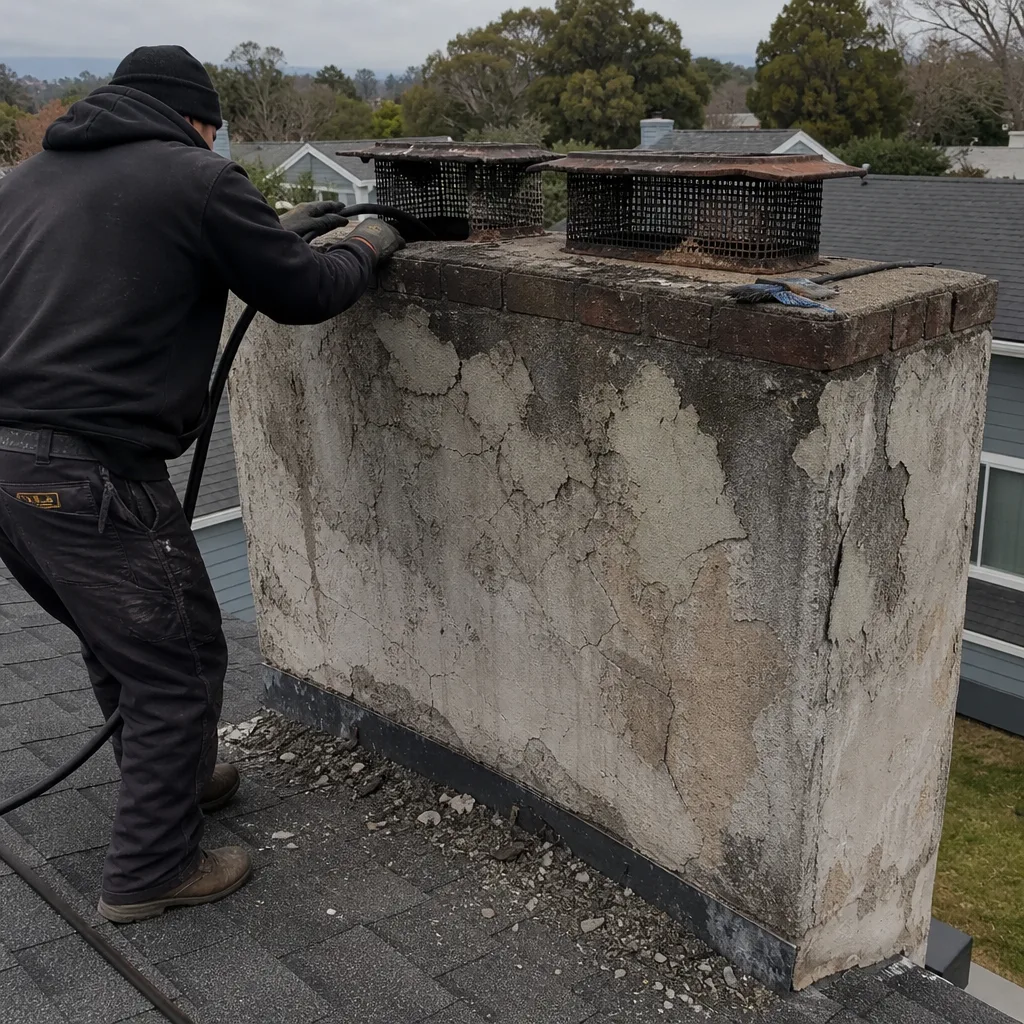 Before
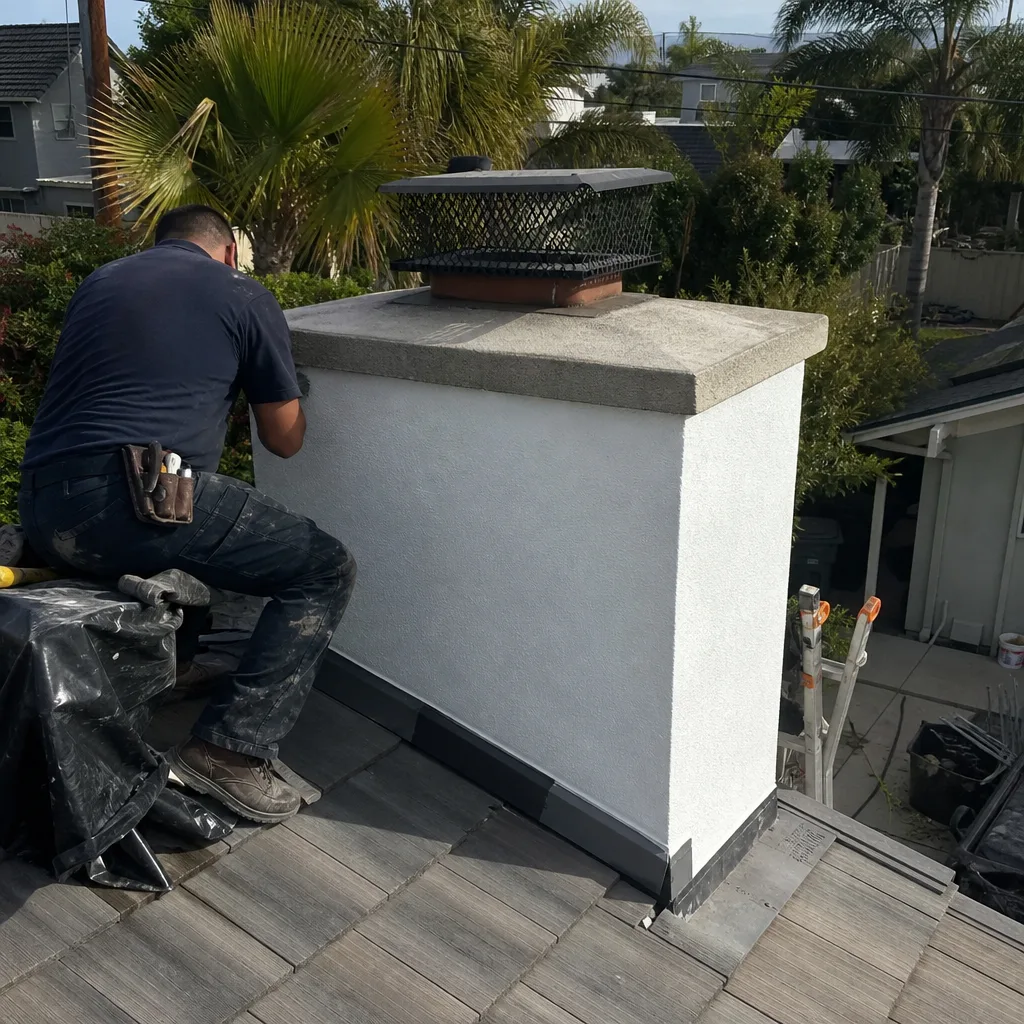 After
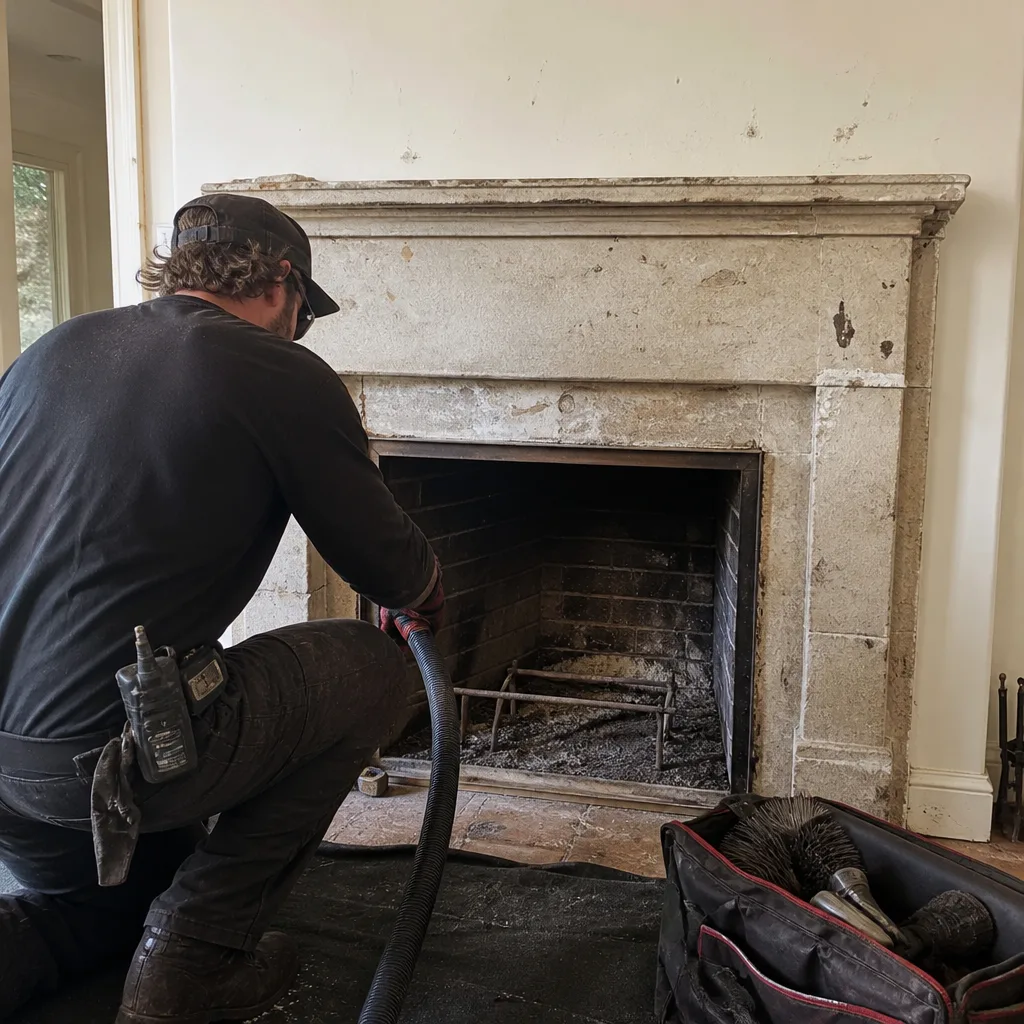 Before
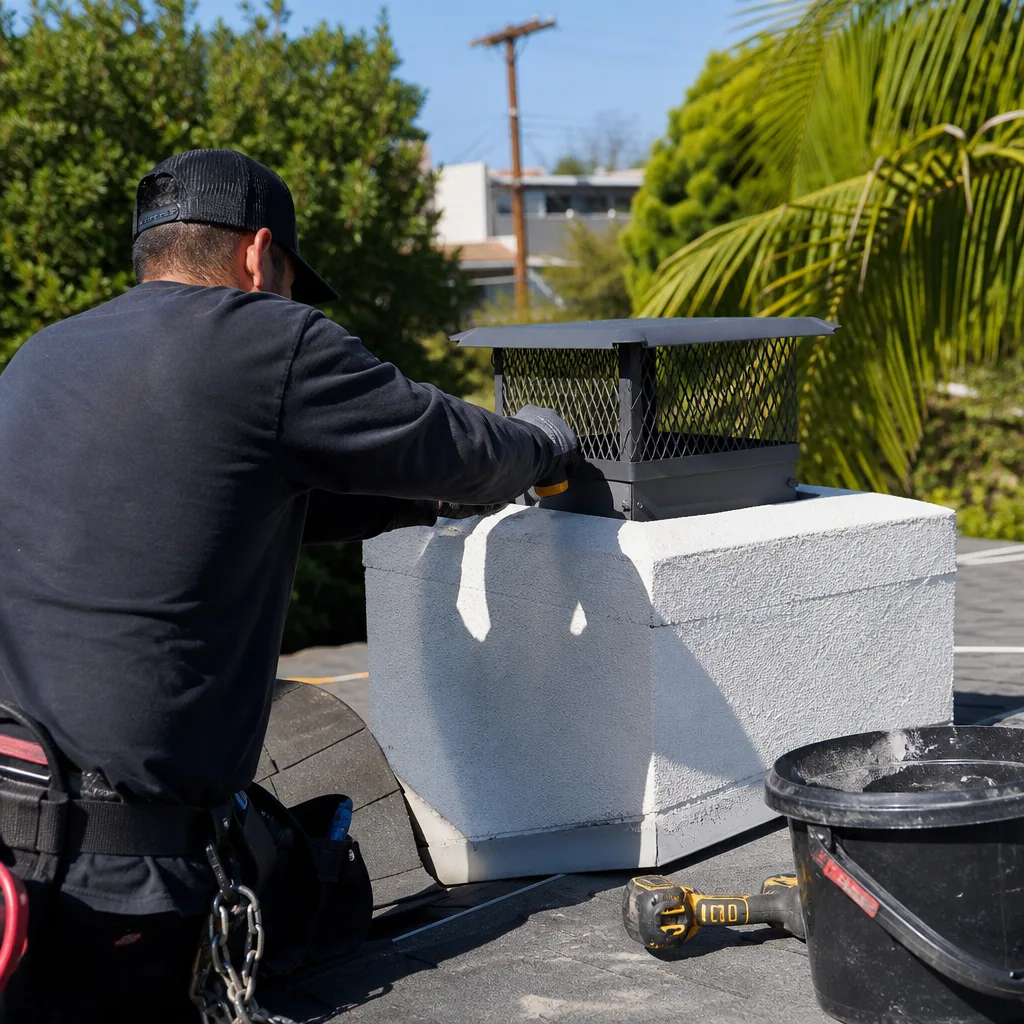 After
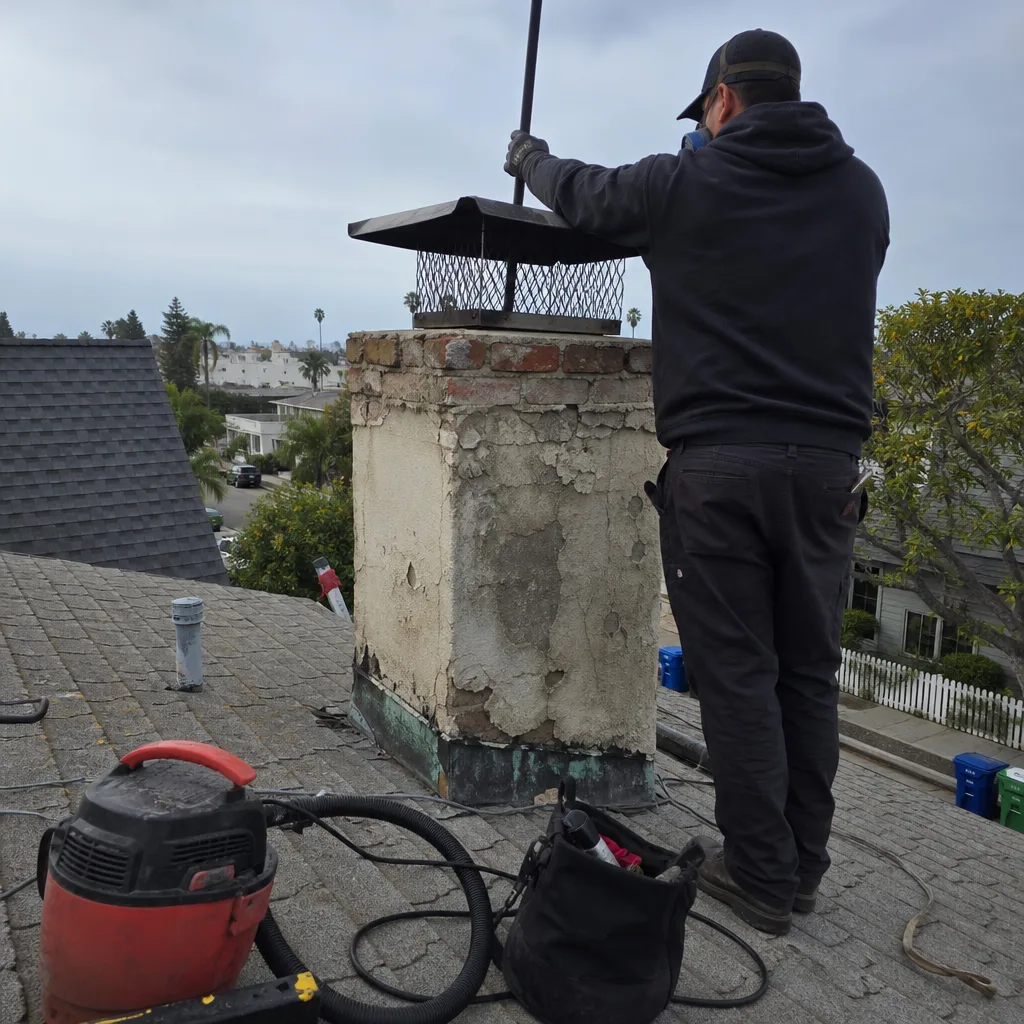 Before
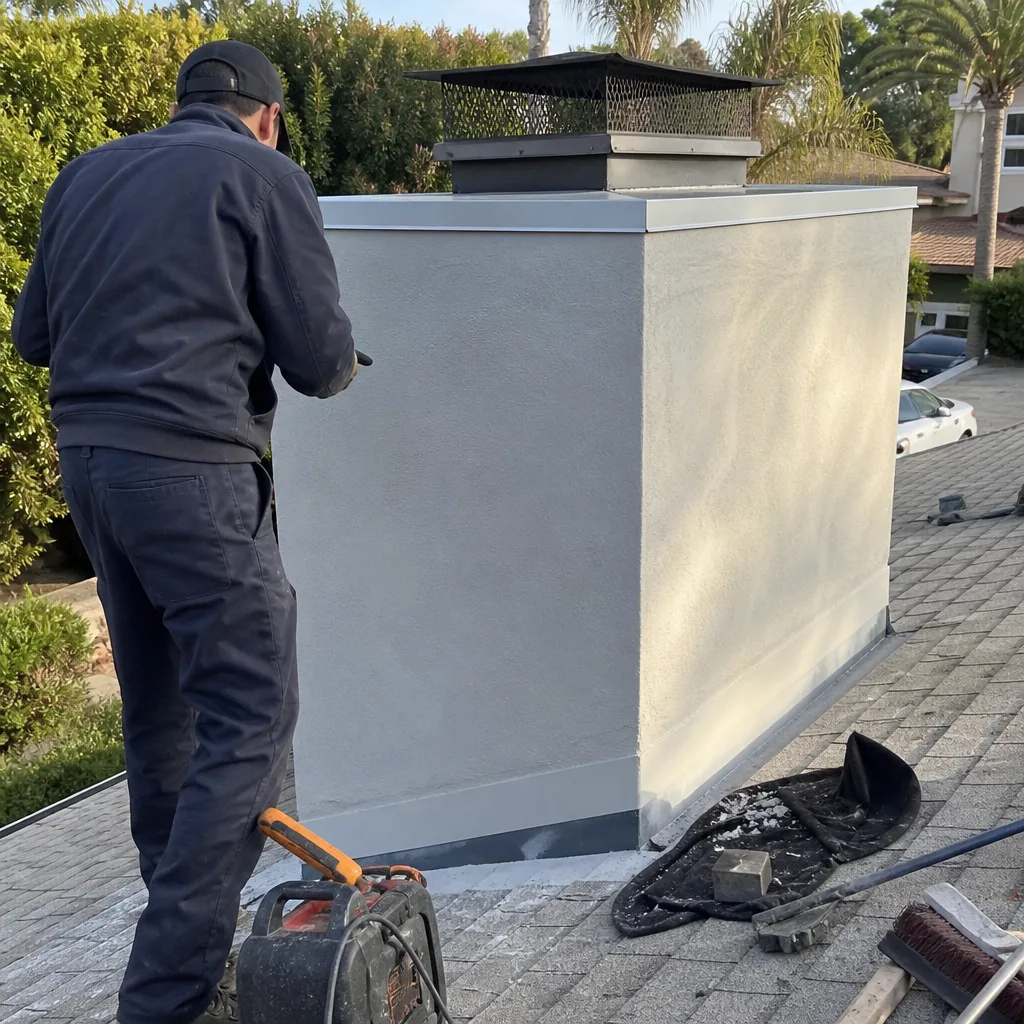 After