
Last updated November 2, 2026
 Sweep & inspection
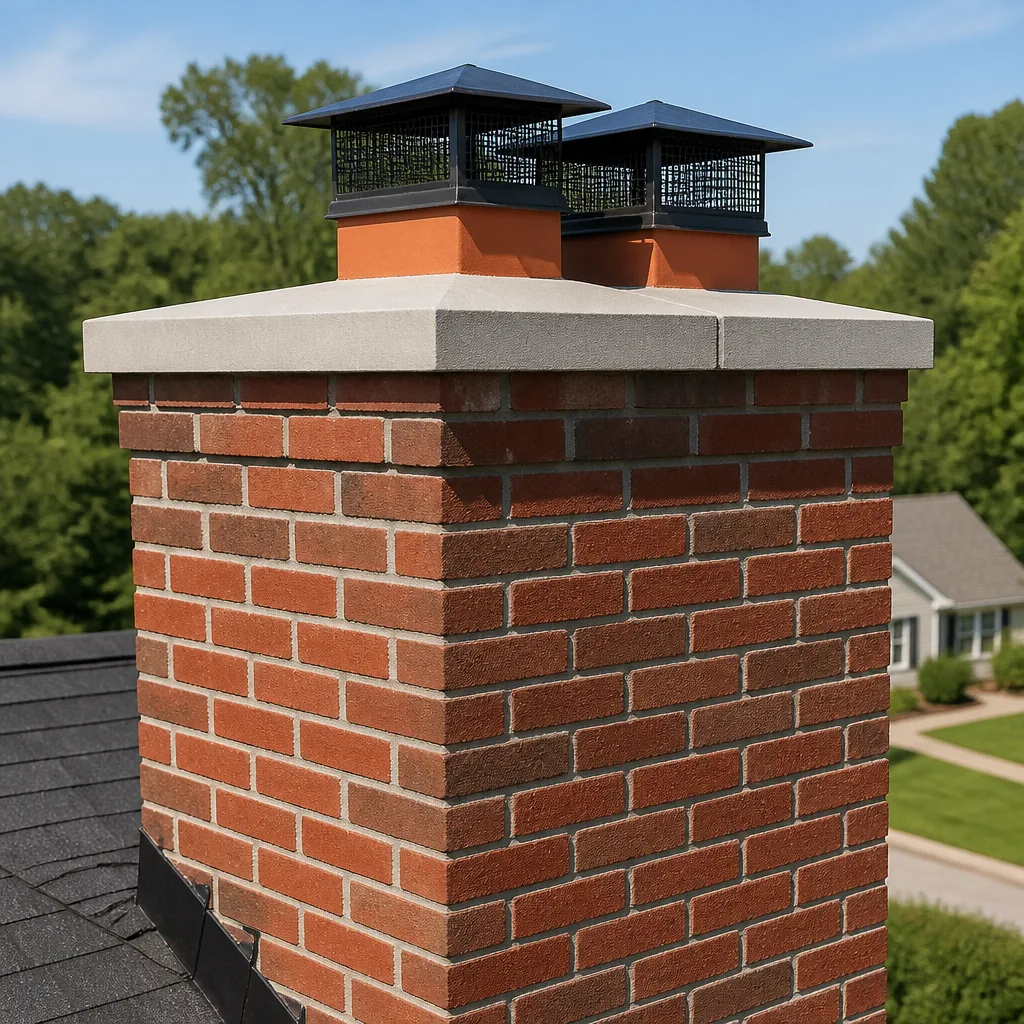 Caps & crowns
 Flue relining
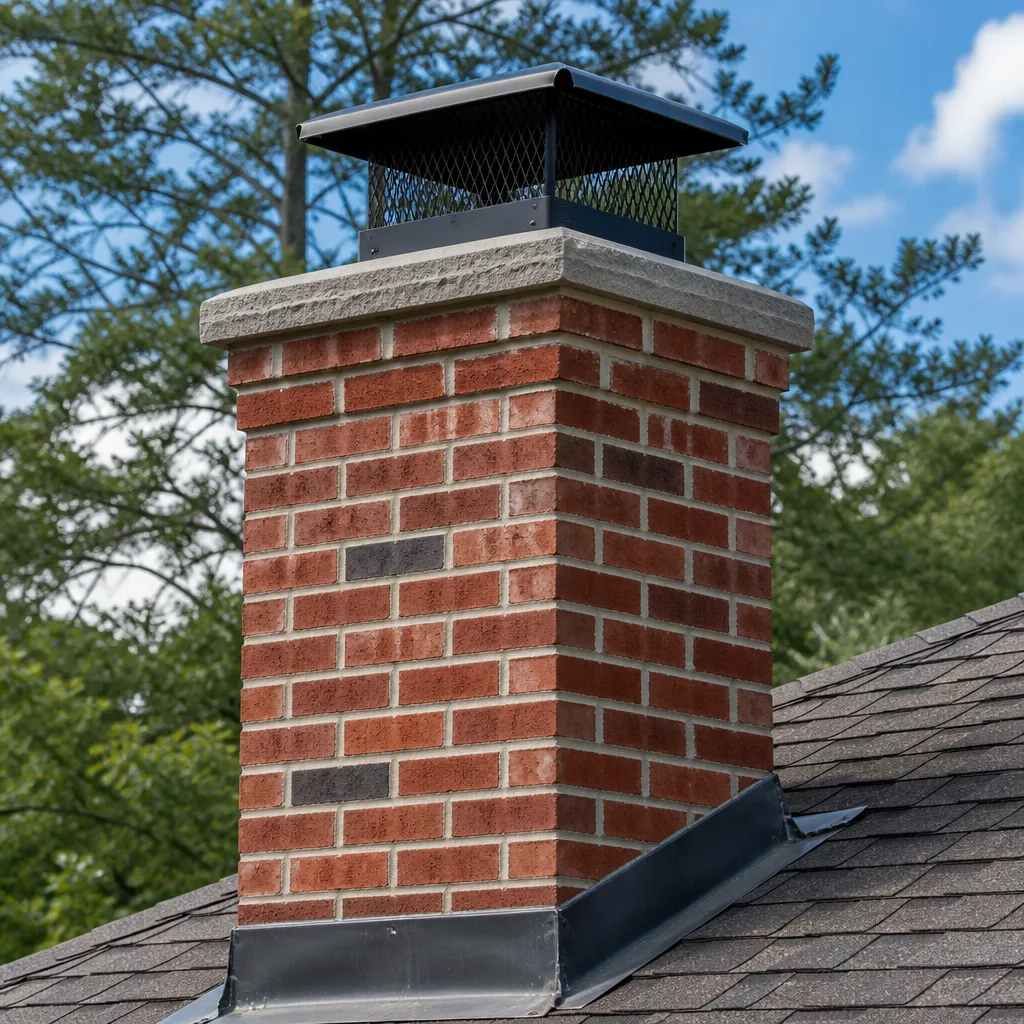 Masonry repair
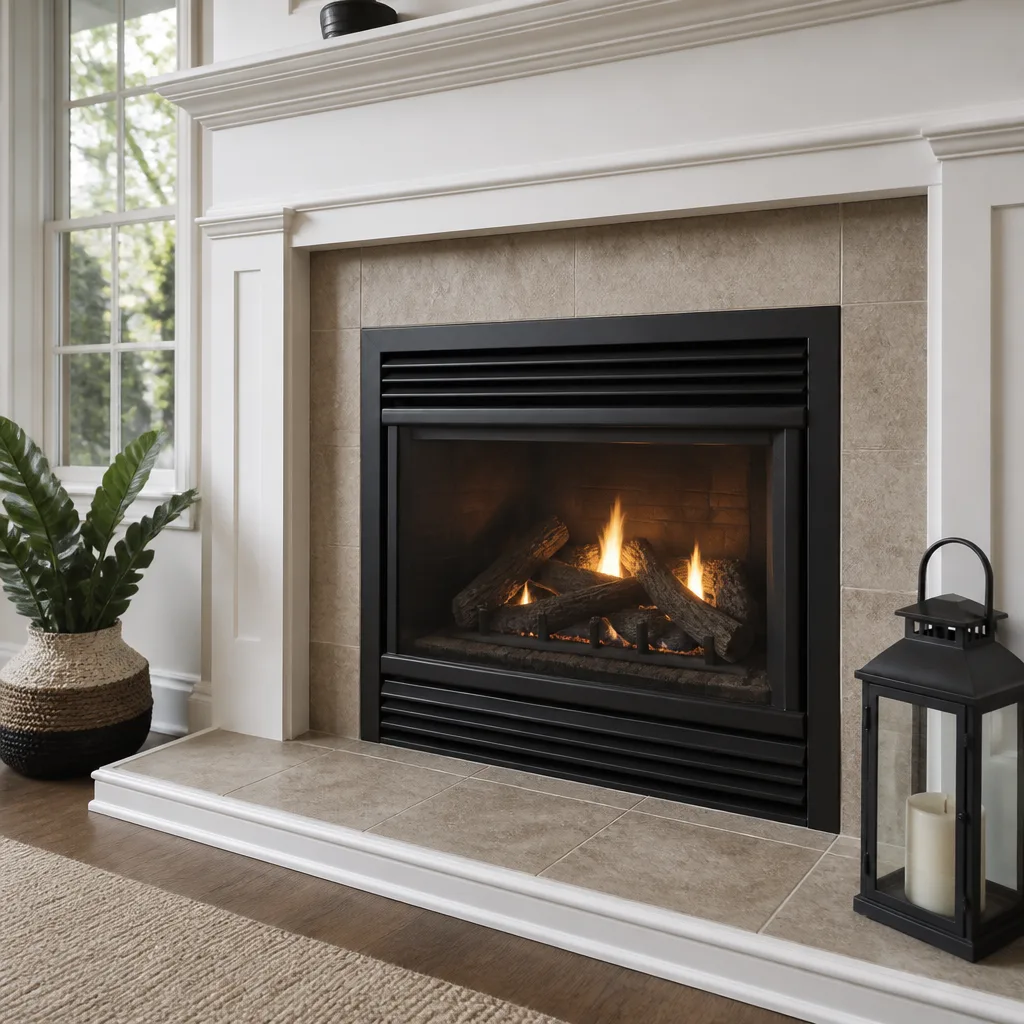 Gas fireplace service
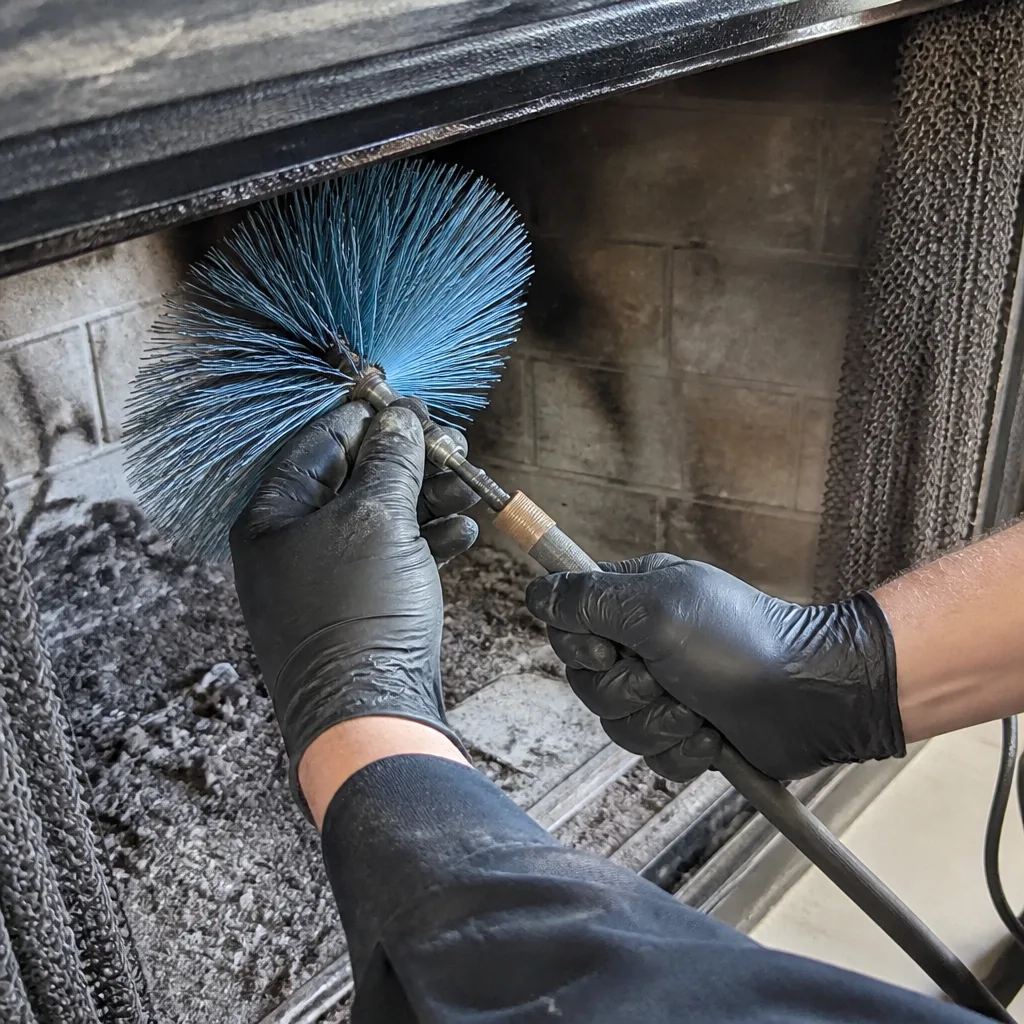
Level 1 sweep and inspection to the NFPA 211 annual standard - flue, crown, cap, and flashing checked and photographed
Chimney sweep logs do not sweep chimneys. They loosen some creosote - which then falls where a brush and vacuum still have to collect it.
Chimney Cleaning Emergency Preparedness Guide for Santa Monica Homes
A chimney fire can burn through a flue liner and reach wall framing in under three minutes, and unlike a kitchen fire, it often starts without any visible flame or smoke inside the home. The first sign is usually a deep, low roar coming from the chimney, like a freight train passing overhead, or the sound of heavy rain against the flue. This guide and our Chimney Cleaning Warning Signs: A Santa Monica Homeowner’s Reference Guide are written for Santa Monica homeowners who want to understand exactly what a chimney emergency looks like, how to respond in the first critical minutes, and what steps to take afterward so the fireplace is safe to use again. You’ll learn what creosote actually does inside a flue, why Santa Monica’s coastal air changes how often a chimney should be swept, what the Santa Monica Fire Department checks for on arrival, and how to keep an emergency kit that gives you options before a fire ever starts.
Quick Answer
Chimney cleaning emergency preparedness in Santa Monica means recognizing an active chimney fire by its signature low roar and dense exterior smoke, calling 911 immediately even if the fire appears to die down, closing the damper and air inlets to starve the fire of oxygen, and having the chimney inspected by a qualified sweep before using it again. Prevention is the real emergency plan: follow a Chimney Sweep Maintenance Checklist for Santa Monica Homeowners with annual sweeps that keep creosote below 1/8 inch thickness, a properly fitted cap with spark arrestor, and knowing your liner’s age and material.
Styles & brands we work with
- Sweep & inspection
- Caps & crowns
- Flue relining
- Masonry repair
- Gas fireplace service
Table of Contents
- What an Active Chimney Fire Actually Looks and Sounds Like
- The First Five Minutes: Exactly What to Do
- What Santa Monica Fire Department Does on Arrival
- Why a Chimney That Survived a Fire Still Needs Inspection
- Building a Chimney Emergency Kit for Your Home
- Santa Monica Climate and Creosote: What Changes Here
- Preventive Measures That Reduce Emergency Risk
- Common Mistakes to Avoid
What an Active Chimney Fire Actually Looks and Sounds Like
Most people picture a chimney fire as flames shooting out the top of the chimney like a Roman candle. That does happen, but it’s the late stage. The early warning signs are subtler, and in Santa Monica’s densely built neighborhoods, where homes sit shoulder to shoulder on tight lots, missing those signs can put more than your own roof at risk.
An active chimney fire produces a deep, low rumble or roar that you’ll often hear before you see anything. Homeowners describe it as a freight train, a jet engine at low altitude, or heavy machinery running next to the house. The sound comes from air being sucked up the flue at high velocity as burning creosote accelerates the draft.
Outside the home, the visual signs include:
- Dense, dark smoke pouring from the chimney top that billows rather than rises cleanly. Normal wood smoke is light gray and dissipates. Fire smoke is thick, brown or black, and hangs low.
- Flames or sparks visible at the chimney crown or shooting from the top of the flue.
- Chunks of creosote falling onto the roof or ground that look like black, puffy shards or burning embers.
- Discoloration or warping of the chimney cap, chase cover, or metal flashing near the top of the chimney.
Inside the house, you may smell a sharp, acrid odor similar to burning tar or hot asphalt. The damper area or fireplace surround may become unusually hot to the touch, even with the glass doors closed. If you have a gas fireplace with a connector pipe, a chimney fire can also transfer heat to adjacent walls, causing paint to blister or discolor near the chimney chase.
In our experience inspecting fireplaces across Santa Monica, including older homes in Sunset Park and the traditional masonry chimneys in North of Montana, the fires we see afterward are almost always the result of neglected creosote that reached stage two or stage three thickness. Stage one creosote is a light, dusty soot that brushes off. Stage two is crunchy, granular flakes. Stage three is a hardened, glossy glaze that bonds to the flue wall and burns like fuel. By the time a fire starts, it’s typically stage three, and it has been accumulating for at least one or two heating seasons.
The First Five Minutes: Exactly What to Do
If you hear the low roar or see dense smoke and flames from the chimney top, here is the sequence that gives you and your home the best outcome. Each step is designed to either starve the fire, contain it, or get professionals moving.
- Call 911 immediately. Do not wait to see if the fire dies down. Do not try to open the fireplace doors to look. That sudden rush of oxygen can turn a smoldering creosote ignition into a full chimney fire in seconds. Tell the dispatcher you suspect a chimney fire and give your Santa Monica address clearly. The Santa Monica Fire Department dispatches based on reported structure fire risk, and chimney fires are treated as structure fires because the flue may have already breached into framing.
- Close the damper if you can do so safely and without reaching into the firebox. This cuts off primary air from the firebox upward. It may not stop an active chimney fire, but reducing oxygen flow is never the wrong move.
- Close any air inlet controls on the fireplace or wood stove, and shut glass doors if your unit has them. This further starves the system. Do not open the glass doors to check on things.
- Evacuate everyone from the home, including pets. Go out the front or back door, not up a staircase that may be near the chimney chase. In a two-story Santa Monica home, a chimney fire that has breached into a wall cavity can channel smoke and heat into upper-floor rooms without any visible flame.
- Move combustibles away from the exterior of the chimney if it’s safe to do so. This means patio furniture, potted plants, doormats, stacked firewood. Falling embers from the chimney top in a Santa Monica neighborhood with mature trees and close property lines can ignite a neighbor’s eave or dry vegetation.
- Meet the fire department outside and tell them exactly what you observed: how long the fire has been burning, whether you saw flames at the chimney top, whether you heard the roar, and where the fireplace is located in the house. That information helps them prioritize which walls to check first.
One thing to be clear about: never use water on a chimney fire. Throwing water into the firebox can crack the firebox lining through thermal shock and produce a burst of steam that pushes burning creosote out of the flue. It also does nothing to address the fire burning higher up in the chimney, which is where the real damage occurs.
What Santa Monica Fire Department Does on Arrival
When SMFD arrives on a reported chimney fire, they approach it as a structure fire until proven otherwise. Their first priority is checking for extension: heat or fire that has left the chimney and entered the wall framing, attic space, or roof deck. In older Santa Monica homes, particularly pre-1960 construction, chimney chases were often built tight to combustible framing, and fire-stopping was not always installed to current code.
The crew will typically deploy thermal imaging cameras to read heat signatures inside the walls around the chimney. If the flue has cracked and hot gases have entered the chase, the camera picks up hot spots not visible from the outside. They’ll also inspect the attic space around the chimney penetration if they can access it safely.
From the roof, firefighters may drop weighted chains down the flue to break apart burning creosote and knock it into the firebox, where it can be removed or extinguished. This is a controlled, aggressive procedure that works, but it also abrades the flue liner. If the liner was already compromised by the fire, the chain drop can worsen existing cracks.
Once the fire is fully extinguished and thermal imaging shows no extension into the structure, the fire department will issue a clearance or a do-not-use notice. In our experience, most Santa Monica homes that experience a confirmed chimney fire receive a do-not-use notice until the chimney is inspected and repaired by a qualified chimney professional. The fire department does not certify chimneys for reuse; they tell you to get it inspected and they expect documentation that the work was done.
If you rent your home in Santa Monica, your landlord has additional obligations under Chimney Cleaning Permits, Codes & Inspections in CA: What You Need to Know and local housing codes to ensure the heating system, including the fireplace and chimney, is functioning safely. A do-not-use notice from SMFD creates a paper trail that triggers that responsibility.
Why a Chimney That Survived a Fire Still Needs Inspection
The temptation after a chimney fire is to assume the worst is over and go back to using the fireplace. That is the single most dangerous decision a homeowner can make in the aftermath. A chimney fire subjects the flue liner to temperatures that can exceed 2,000 degrees Fahrenheit, far beyond what any clay tile liner is designed to withstand.
Here’s what the post-fire inspection must look for, and what we look for when we’re called to Santa Monica homes after an SMFD response:
- Liner cracks and spalling: Clay tile liners crack under thermal shock. The cracks may be hairline, but they allow heat and gases to reach the chimney structure and eventually the framing. Spalled tiles may have holes or missing sections.
- Mortar joint separation: In a masonry chimney, the mortar between flue tiles can fail, creating gaps where hot gases escape into the chimney chase.
- Creosote glazing: The fire didn’t necessarily consume all the creosote. What remains is often a hardened, glazed layer that bonds to the flue wall and is even more difficult to remove than pre-fire creosote.
- Damper damage: The damper may have warped from heat and no longer seats properly, allowing conditioned air to escape the home and potentially changing draft characteristics.
- Chimney cap and crown damage: Intense heat at the top of the flue can crack the chimney crown, warp the cap, or destroy the spark arrestor mesh.
- Interior wall damage near the chase: We open inspection access points or use borescope cameras to look for charring, heat staining, or smoke deposition in the wall cavity around the chimney.
If the liner has cracked, the repair path depends on the severity. A full relining with a DuraFlex flexible liner system may be needed for a large-damage situation. For liners with moderate cracking or spalling, HeatShield resurfacing can restore the flue interior without full relining. HeatShield is a cerfractory sealant applied directly into the flue, building a new ceramic surface over the damaged areas. It’s a cost-saving option most sweep-only competitors can’t offer because HeatShield requires trained application through its certification program. We stock and work with Olympia Chimney and Famco components for caps, dampers, and venting hardware, so a same-visit repair is often possible once the liner is addressed.
Here’s the critical point: no flue liner that has survived a confirmed chimney fire should be returned to service without a camera inspection. The damage isn’t always visible from the top or bottom of the chimney, and guessing is not an inspection.
Building a Chimney Emergency Kit for Your Home
A chimney emergency kit doesn’t take up much space, and it changes what you can do in the first minutes after you identify a problem. Here’s what to keep accessible, preferably in a cabinet near the fireplace or in a coat closet close to the front door.
The kit should contain:
- A Class ABC fire extinguisher rated for wood, paper, flammable liquids, and electrical fires. A typical kitchen extinguisher will not be sufficient for a chimney fire, but it can help contain a small fire that has extended to a hearth rug or nearby furniture. Keep it mounted, charged, and within reach of the fireplace room.
- Heat-resistant fireplace gloves. Long cuffs protect your forearms when closing a hot damper or glass door.
- A metal ash bucket with a tight-fitting lid. Never move hot ashes in a plastic or cardboard container. Santa Monica’s coastal winds can whip through a yard and scatter embers from an open bucket.
- A flashlight with fresh batteries. Power may go out during or after a fire, and the smoke alarm may be sounding.
- A written note with the chimney sweep’s phone number and the fire department non-emergency number. In the chaos, you won’t want to search. The Steadfast Chimney Sweep phone number, (833) 593-2844, is a good one to have posted because we can walk you through post-event inspection and provide documentation for your insurance company.
- Your most recent chimney inspection report. Insurance companies ask for this after a chimney fire claim. It demonstrates maintenance and helps establish cause. Store it digitally and in paper form.
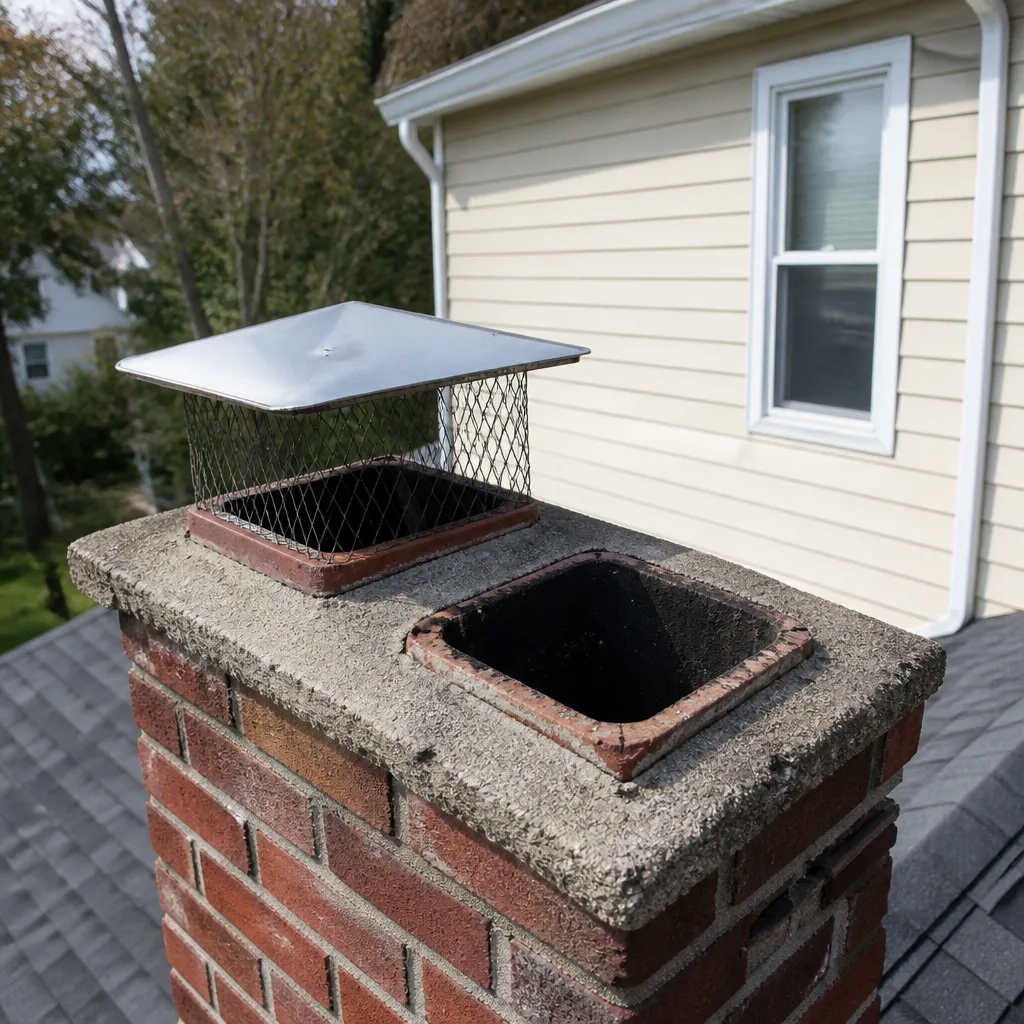
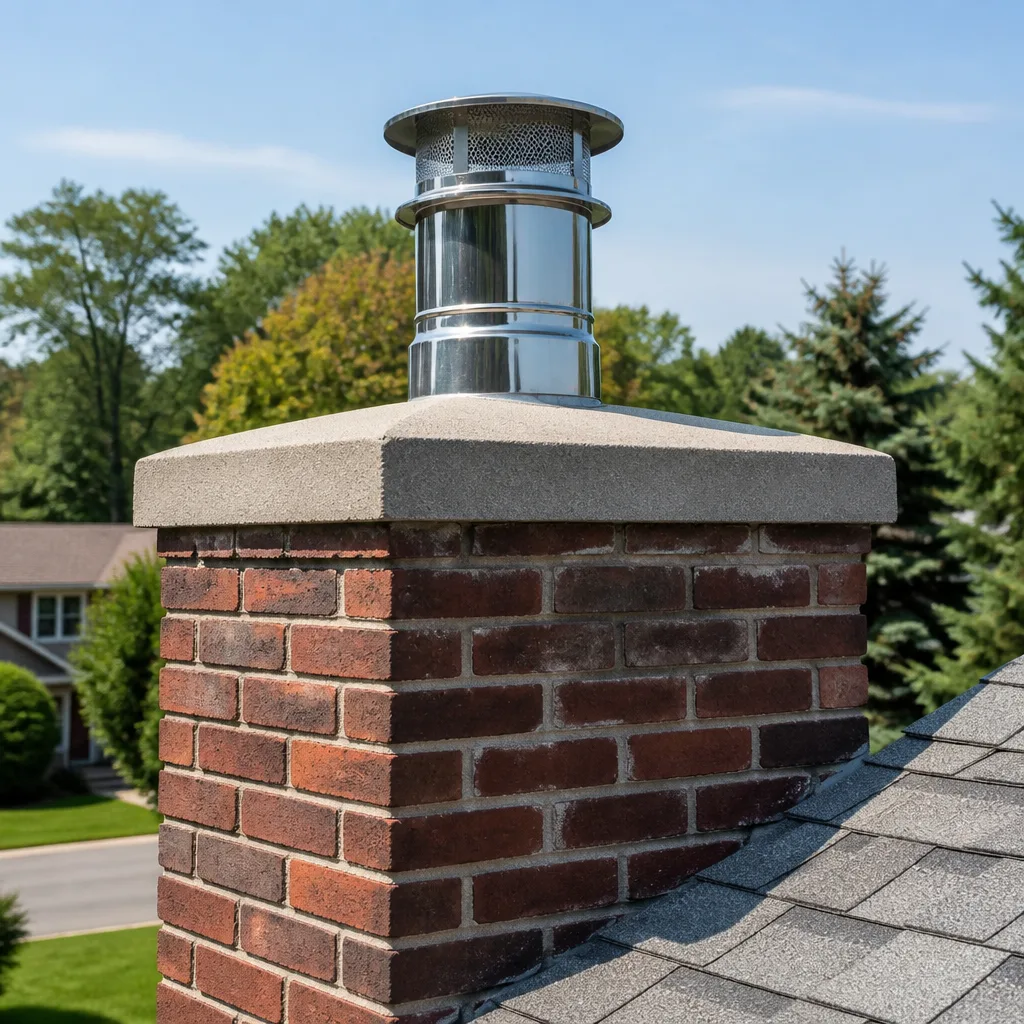
The chimney cap plays a role in emergency prevention that most people overlook. A properly fitted cap with a spark arrestor screen does two things: it keeps burning embers from leaving your chimney and landing on your roof or a neighbor’s roof, and it keeps outside material from entering the flue. In Santa Monica, where many homes have overhanging trees and mature landscaping, a missing or damaged cap is a genuine hazard. We install and repair caps with Famco and Copperfield components, and we check the spark arrestor mesh as part of every routine sweep.
The damper close procedure belongs in this conversation because it’s the first physical action you’ll take during an emergency. Know where your damper handle or chain is before you need it. If you have a top-mount damper, understand that you control it with a cable inside the firebox. In the moment, you want to be able to close it without having to figure out how your specific damper works.
Santa Monica Climate and Creosote: What Changes Here
Santa Monica’s marine climate creates a specific set of chimney conditions that homeowners further inland don’t face. The marine layer that rolls in most evenings keeps flue temperatures cooler than they would be in a dry, inland climate. That cooler flue means smoke condenses more readily on the flue walls, and condensation accelerates creosote formation. A fireplace that produces stage one creosote in Pasadena might be building stage two in Santa Monica over the same number of fires.
Humidity also affects masonry chimneys. Older brick chimneys in neighborhoods like Ocean Park and the Pico District absorb moisture from the marine air, particularly during the June gloom months. When a fire heats that brick, the moisture turns to steam and expands, exacerbating any existing spalling or mortar deterioration. That’s why chimney crowns in Santa Monica need regular attention: a cracked crown lets moisture into the chimney structure, which becomes a structural problem long before it becomes a fire problem.
Wood-burning fireplaces in Santa Monica are also influenced by local air quality regulations. The South Coast Air Quality Management District regulates wood burning on designated no-burn days. You should check before lighting a fire, because burning on a no-burn day carries a fine. That’s not just regulatory trivia: burning on high-pollution days tends to happen during stagnant weather patterns when smoke hangs low. Those same conditions make chimney smoke more visible to neighbors and more likely to generate a call to the fire department. A properly swept chimney produces less smoke, but it’s still good practice to check the no-burn calendar.
Gas fireplaces present a different kind of emergency profile. They don’t produce creosote, but they do produce acidic condensation that corrodes the flue liner over time. In Santa Monica homes with older gas inserts, we frequently see liner deterioration that the homeowner had no idea about because gas fires don’t leave visible soot. The emergency risk there is not a chimney fire; it’s carbon monoxide being pushed back into the home when the flue deteriorates. That’s why gas fireplace chimneys still need annual inspection, even when they’re rarely used.
Preventive Measures That Reduce Emergency Risk
Prevention is where emergency preparedness actually wins. The most carefully stocked emergency kit matters far less than a chimney that never catches fire in the first place. Here’s what you can control, in order of impact.
1. Annual cleaning with a creosote level check. The single highest-impact preventive step is a professional chimney sweep in Santa Monica performed before each burning season. During the sweep, the technician should record creosote thickness at multiple points in the flue. The industry threshold for “time to clean” is 1/8 inch. Above that, the risk curve climbs sharply. We provide a written report with every sweep that notes creosote levels, liner condition, and damper function, so you have documentation and a baseline.
2. Burn only seasoned hardwood. Green or wet wood produces cooler, smokier fires with more condensation. Seasoned oak, almond, or other hardwoods with a moisture content below 20 percent burn hotter and cleaner. If you’re buying firewood in Santa Monica, ask about moisture content. Wood sold out of a parking lot with no drying history is a common source of accelerated creosote.
3. Don’t use the fireplace to burn trash, wrapping paper, or treated lumber. These materials burn unpredictably and hot, and they contribute to the kind of creosote glazing that’s hardest to remove. Wrapping paper in particular can ignite and float up the chimney as burning embers.
4. Check the chimney cap and spark arrestor each year. The cap is your best ember containment. A missing or degraded spark arrestor mesh turns a controlled fire into an ember source. We replace cap components with Famco and Copperfield parts during routine sweeps when needed.
5. Know your liner’s age and material. If you don’t know whether your chimney has a clay tile liner or a stainless steel liner, now is the time to find out. Santa Monica homes built before 1970 typically have clay tile liners, which crack more readily under thermal stress. A camera inspection during your annual sweep answers this question permanently.
6. Maintain carbon monoxide detectors on every level and test them monthly. A cracked liner can be a slow-motion emergency that never produces a visible fire. CO detectors are the only thing standing between a cracked liner and carbon monoxide poisoning. In a city with as many older gas appliances as Santa Monica, this is baseline fire and life safety.
Common Mistakes to Avoid
- Waiting to see if the chimney fire dies down before calling 911. Chimney fires can self-extinguish in seconds or burn through a liner in minutes. You can’t see the fire’s progress inside the flue from your living room. Call first, assess later.
- Opening the fireplace doors or damper to “look” at the fire. This feeds oxygen to the fire and can trigger a full ignition from a smolder. The correct move is closing everything, not opening anything.
- Using the fireplace again after a minor chimney fire without an inspection. Even a fire that self-extinguishes can crack a clay tile liner. The next fire you build is burning against a compromised flue.
- Skipping the annual sweep because “we barely use the fireplace.” Creosote doesn’t care how often you burn; it accumulates based on burn conditions. A single season of wet wood fires can create a dangerous creosote layer in a rarely used fireplace.
- Buying firewood without checking moisture content. In Santa Monica’s humid coastal air, unseasoned wood is a guaranteed route to stage two and three creosote. Green wood is the most common cause of the conditions that lead to chimney fires in homes along the coast.
- Ignoring the chimney cap because it’s “just a cover.” The cap and spark arrestor are your first line of defense against ember escape, animal nests, and moisture intrusion. A $200 cap replacement is cheaper than any of the problems it prevents.
- Hiring a sweep who only cleans and can’t repair what they find. A sweep report that identifies a cracked liner or a failed damper means nothing if no one can fix what’s found. Our Chimney Repair in Santa Monica is a full service, not an upsell, because we’re structured to diagnose and fix structural problems on the spot.
See the difference
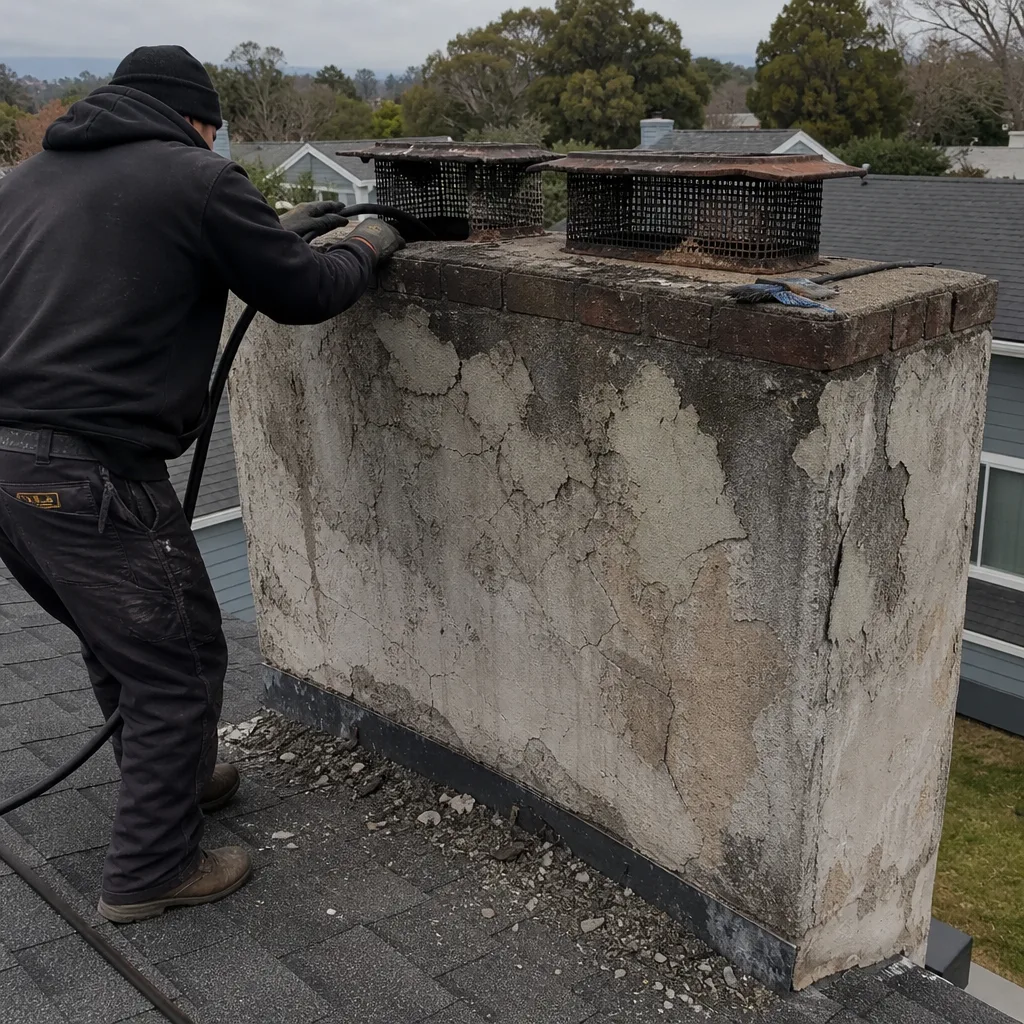 Before
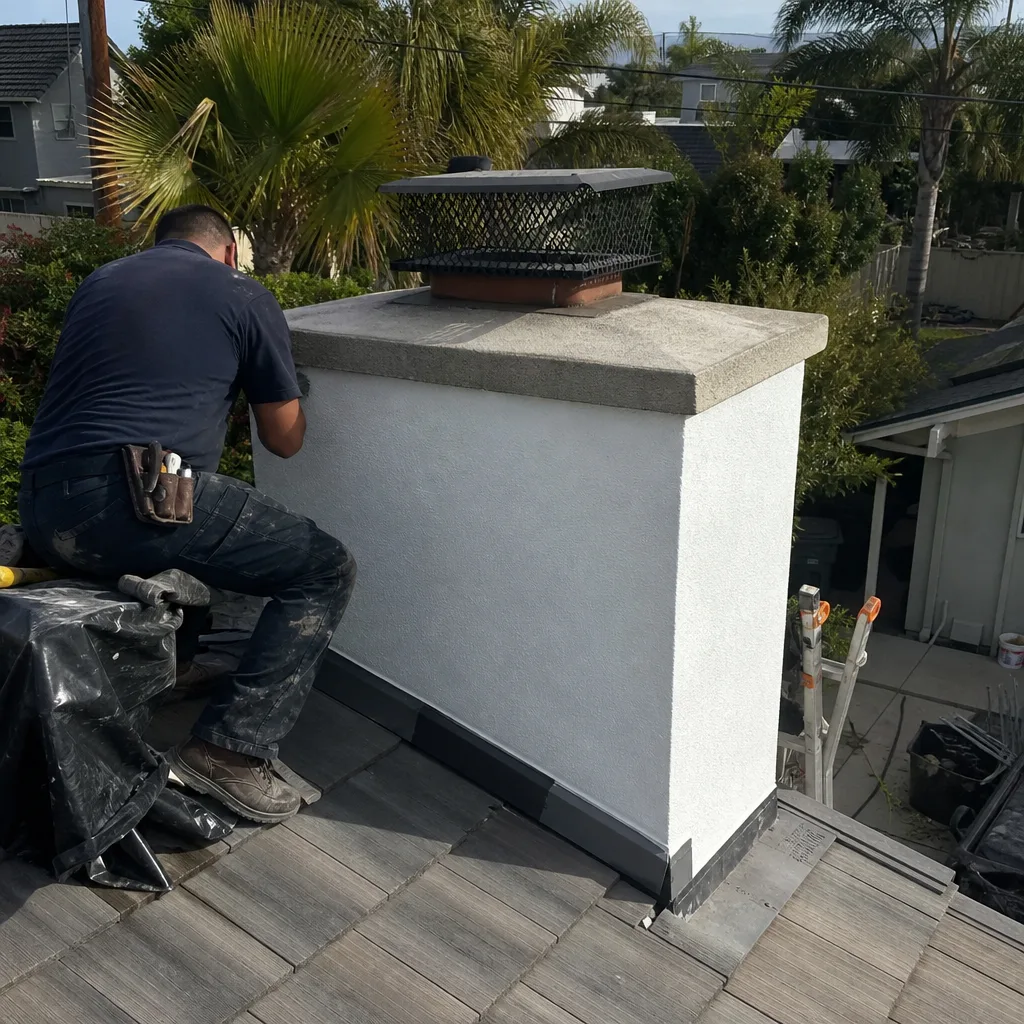 After
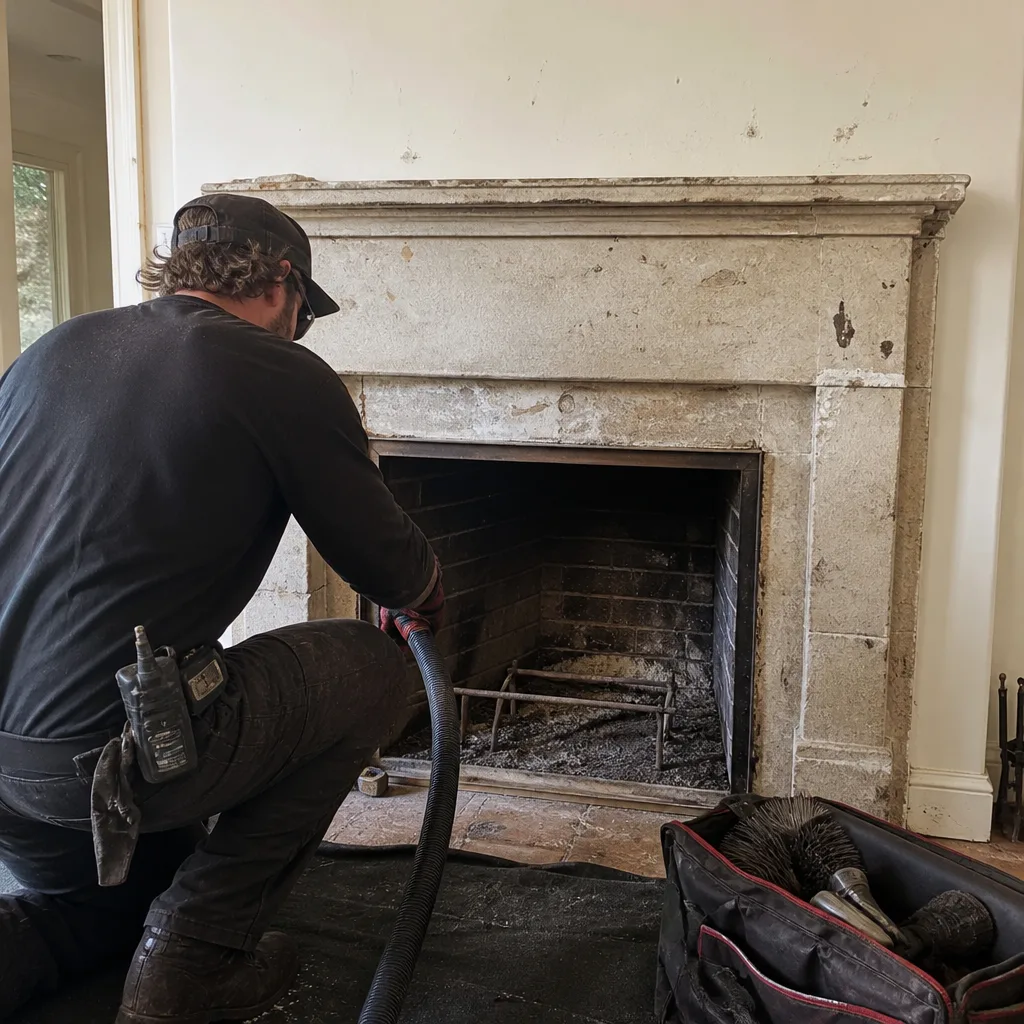 Before
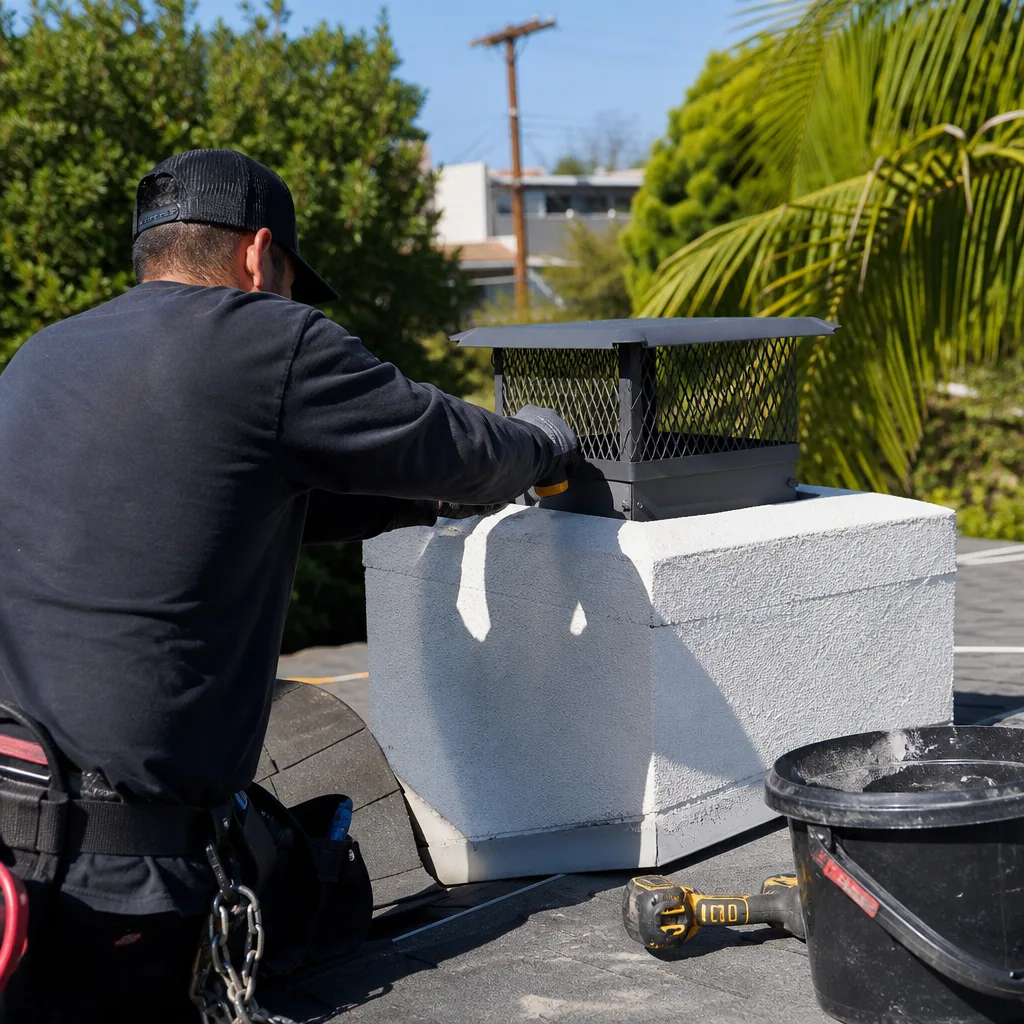 After
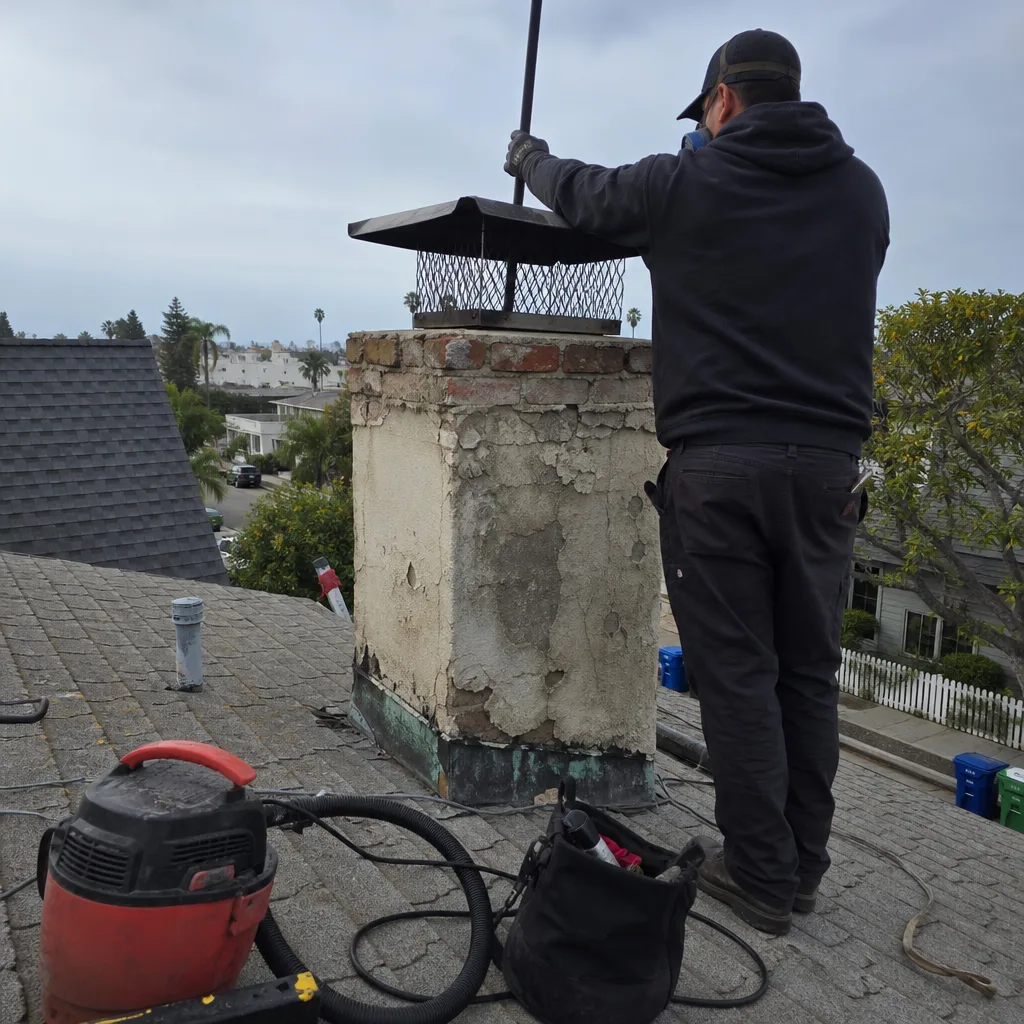 Before
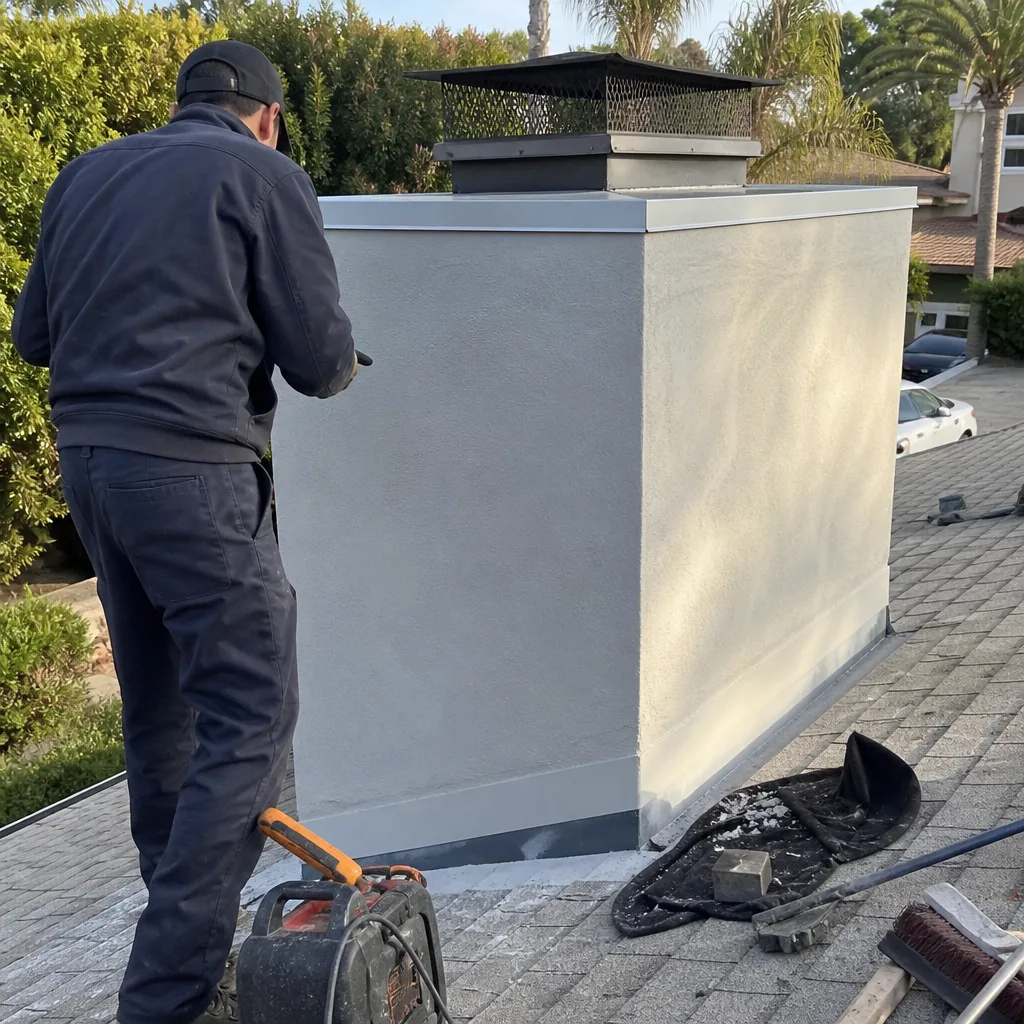 After
When to Call a Professional
You should call a chimney professional if you’ve heard the low roar of a chimney fire, even if the fire department has already come and gone. A post-fire inspection is not optional; it’s the only way to know whether the liner is sound enough to use. You should also call if you smell smoke inside the house during or after a fire, if you can see cracks in the firebox or damper, if the chimney cap is missing or damaged, or if your carbon monoxide detector has activated near the fireplace. And if you haven’t had a sweep in the past 12 months, that’s reason enough to schedule one before the next burning season – see our more guides & resources for year-round chimney care. Steadfast Chimney Sweep offers free estimates in Santa Monica, and you can reach us at (833) 593-2844. We inspect, clean, and repair in one visit when the scope allows, which means you’re not waiting weeks between diagnosis and fix.
Frequently Asked Questions
You’ll typically hear a deep, low rumble or roar coming from the chimney, like a freight train or heavy rain against the flue, and you may see dense, dark smoke or flames from the chimney top outside. The firebox surround may also feel unusually hot. If you observe any of these signs, call 911 immediately and close the damper and any air inlets if you can do so safely. This is not a situation to assess at length before acting.
A chimney fire sounds like a low, continuous roar, often compared to a freight train passing nearby, a jet engine at distance, or heavy machinery. The sound comes from air being pulled up the flue at high speed by the burning creosote. If you hear that sound coming from your chimney even with the fireplace doors closed, evacuate and call 911.
A chimney should be swept at least once per year in Santa Monica, and more often if you burn frequently or use unseasoned wood. The marine layer and coastal humidity lower flue temperatures and accelerate creosote condensation, so a yearly sweep is the floor, not the ceiling. During the sweep, the technician should measure creosote thickness and record it in a written report.
Yes. The fire department extinguishes the fire and checks for extension, but they do not certify the chimney for future use. Only a qualified chimney sweep with camera inspection equipment can determine whether the flue liner survived the thermal stress or needs repair. Using the fireplace again without that inspection is risking a second fire against a liner that may already be cracked.
A standard chimney sweep and inspection in Santa Monica typically costs between $200 and $350, depending on chimney height, access, and creosote level. If the sweep finds damage requiring repair, the repair estimate is separate and depends on the scope. Call (833) 593-2844 for an exact quote based on your chimney, and estimates are free.
The most common cause in Santa Monica is neglected creosote accumulation combined with burning green or unseasoned firewood. Coastal humidity causes smoke to condense on flue walls more readily, and the result is that stage two and three creosote builds faster than homeowners expect. Annual sweeping and burning only seasoned hardwood are the two highest-impact preventions.
The Bottom Line
Chimney emergencies in Santa Monica are preventable with the right habits: annual sweeps that document creosote levels, burning only seasoned hardwood, maintaining the chimney cap and spark arrestor, and knowing the condition of your flue liner. If a fire starts, the answer is to call 911 immediately, close the damper and air inlets, evacuate, and never return to using the chimney without a post-fire camera inspection. Treat the chimney as a system, not a feature, and the emergency that never happens is the best outcome. For any chimney service in Santa Monica, from Santa Monica to Santa Monica, call (833) 593-2844 for a free estimate. And remember, your dryer vent is a chimney for lint: both deserve the same annual attention. Start with Steadfast Chimney Sweep home to get the full picture of what we do.
Written by the team at Steadfast Chimney Sweep, serving Santa Monica since 2015.