
Last updated November 2, 2026
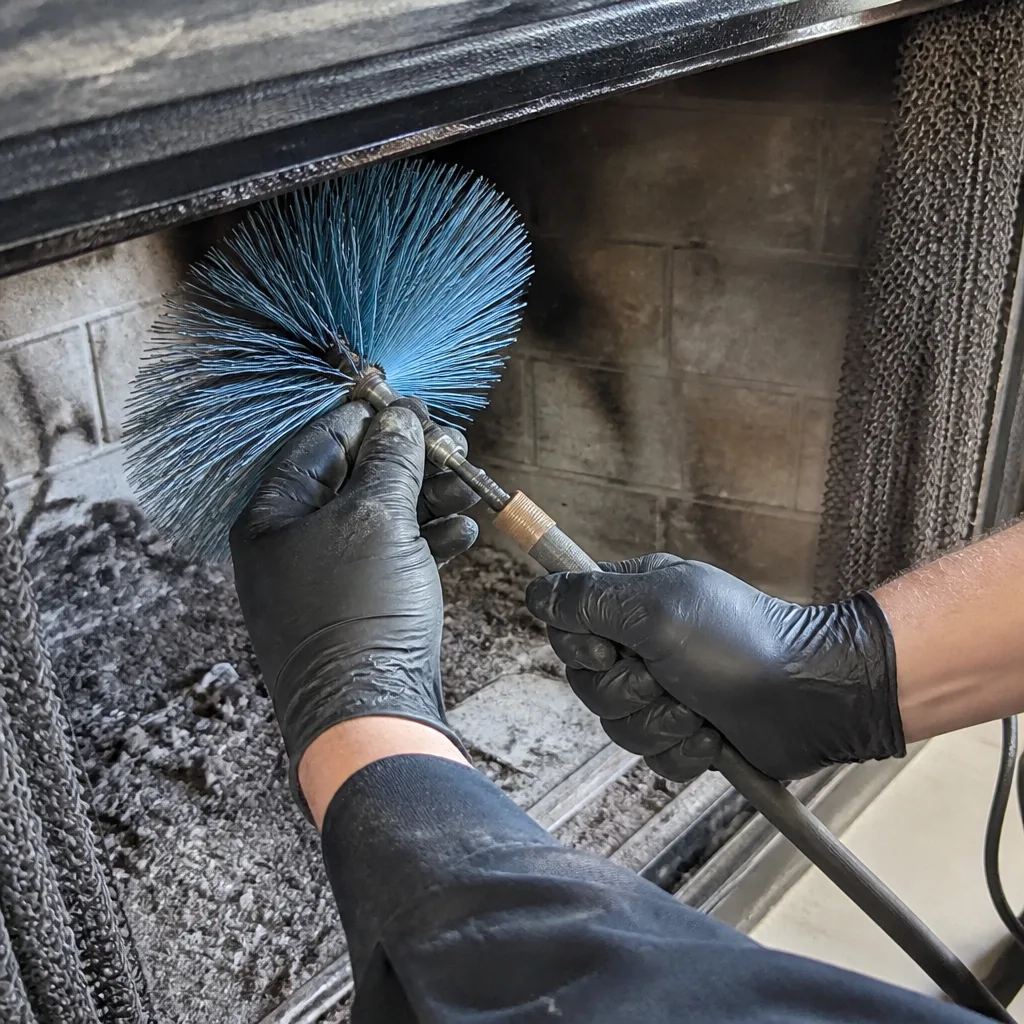
 Sweep & inspection
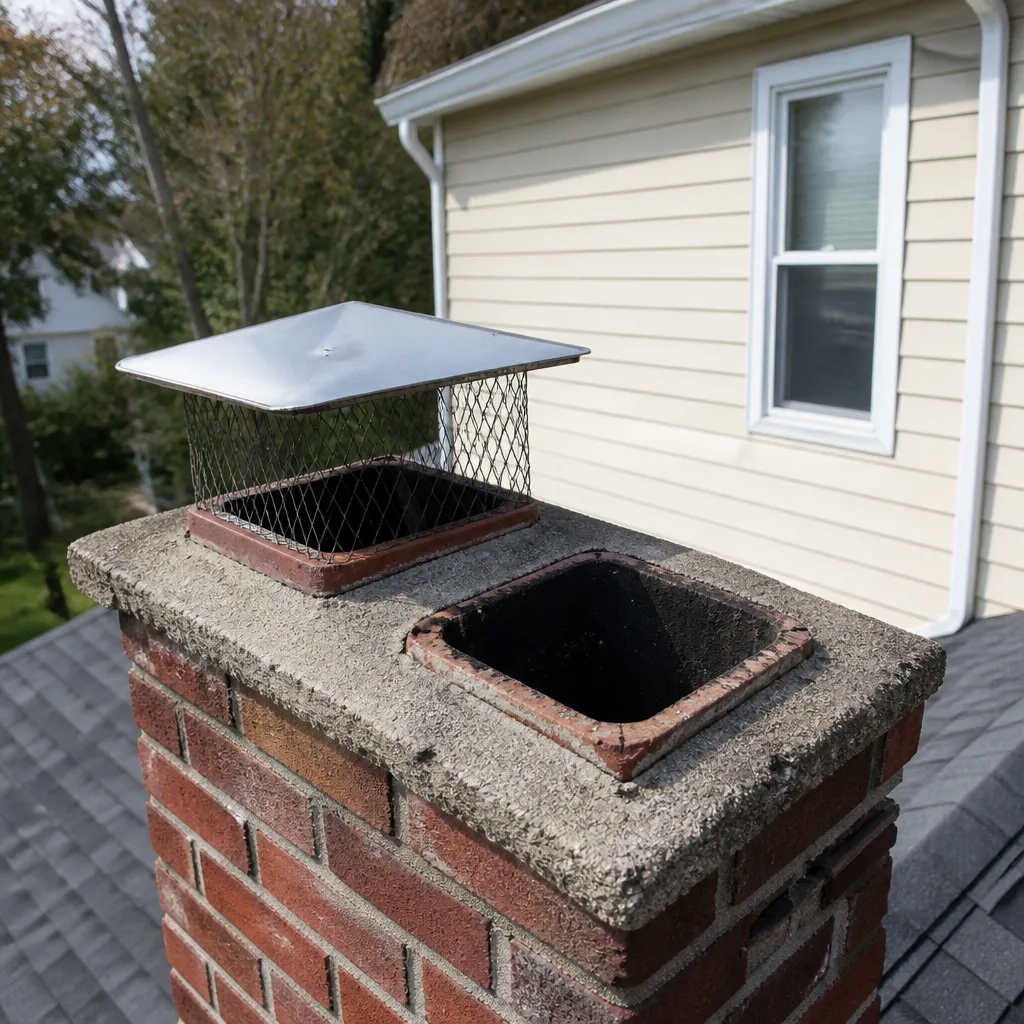
 Caps & crowns
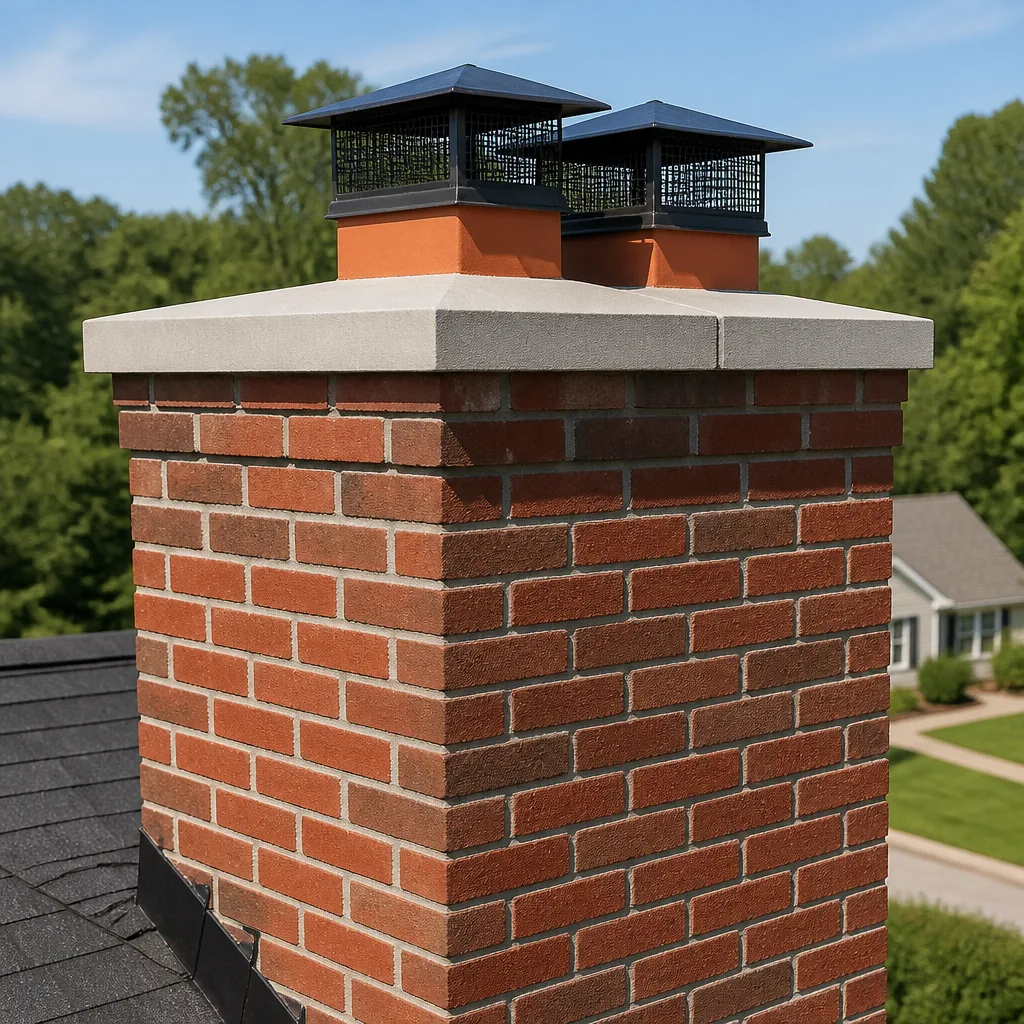
 Flue relining
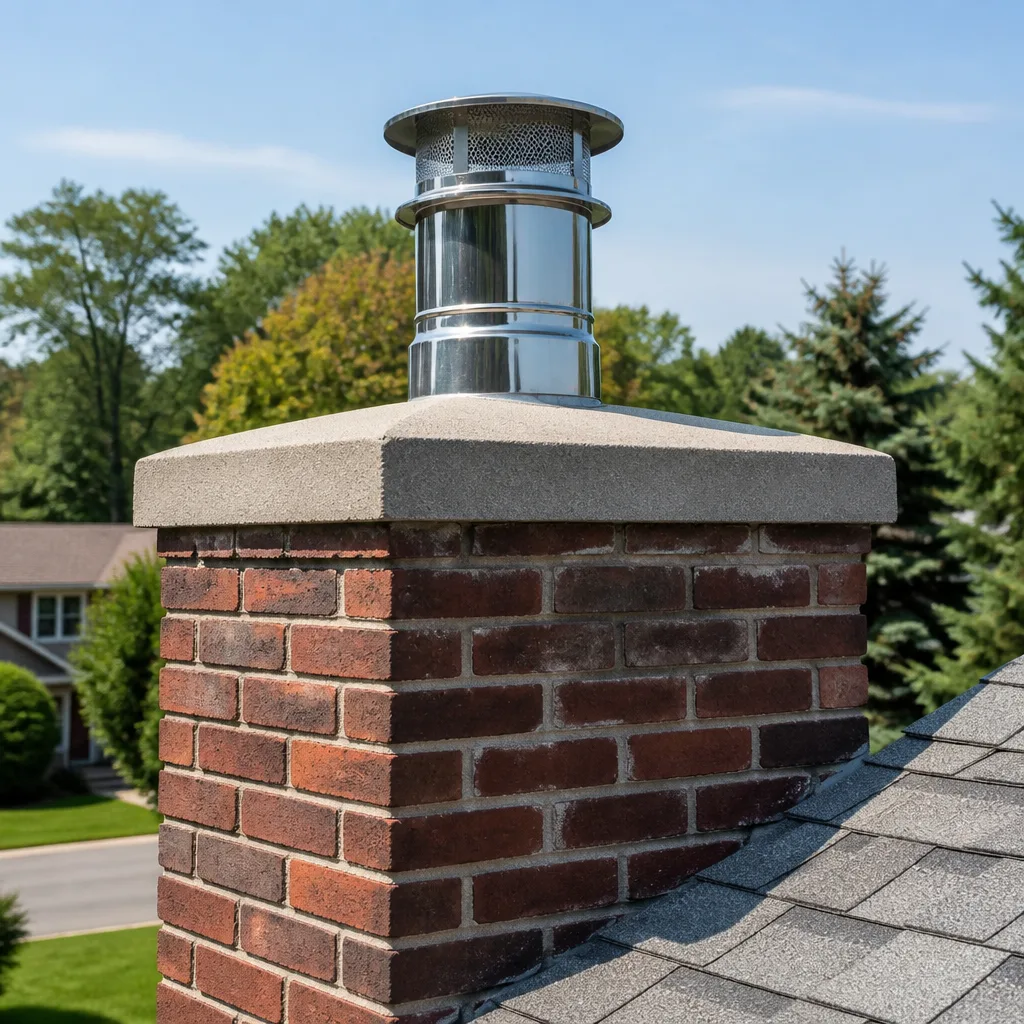
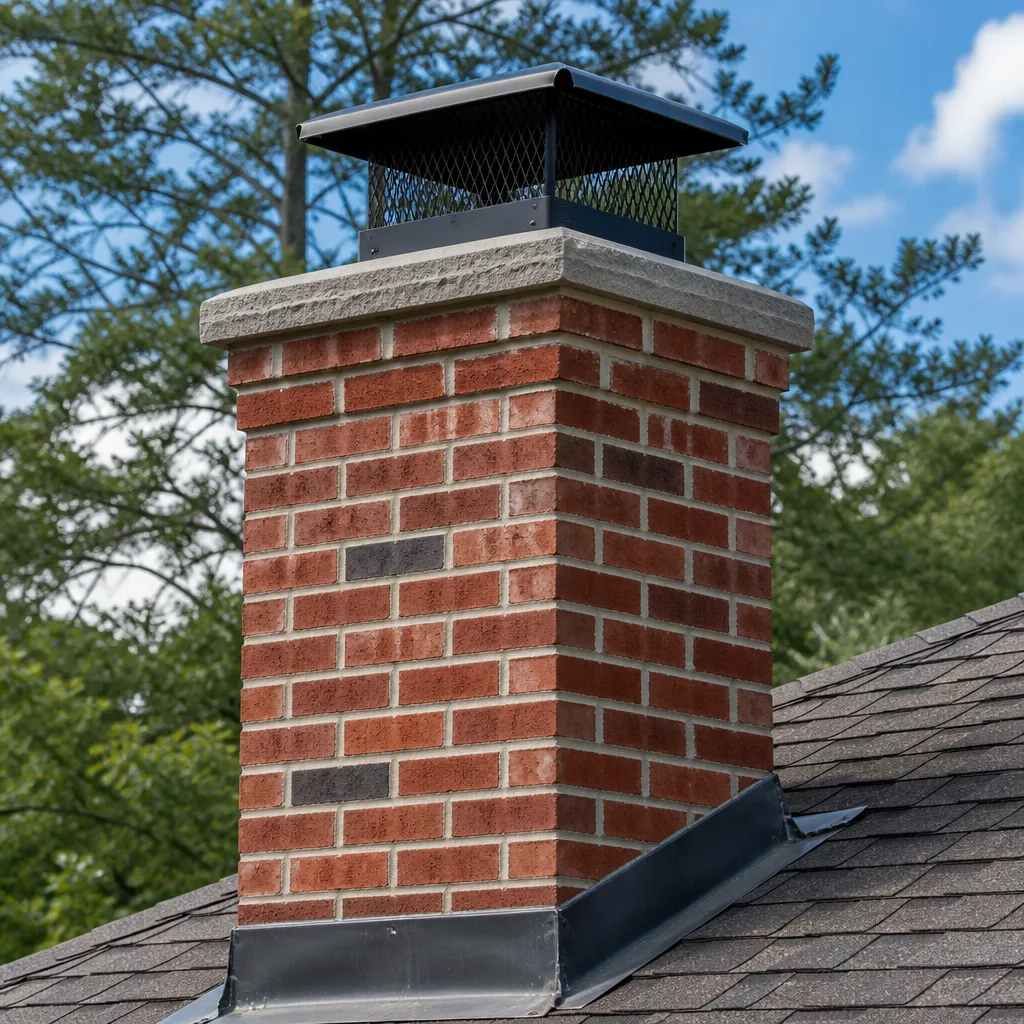 Masonry repair
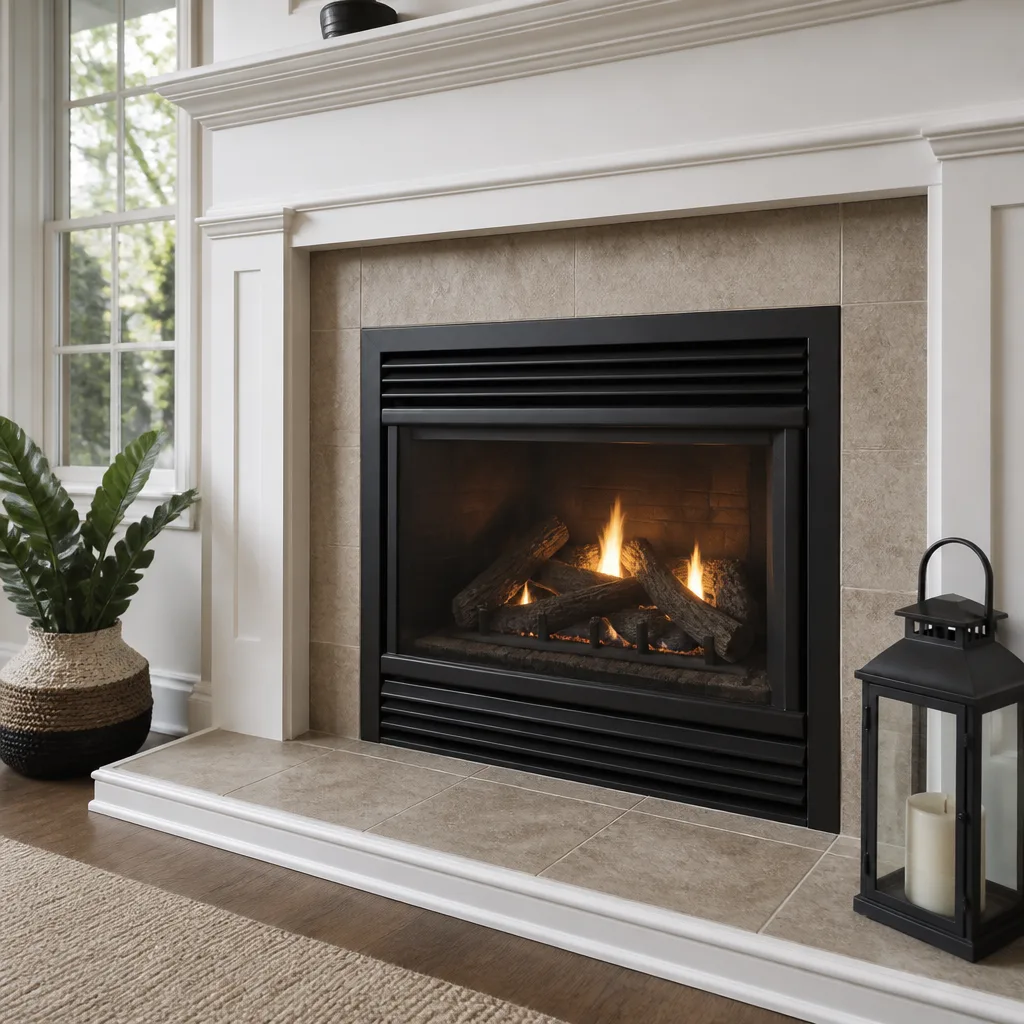 Gas fireplace service
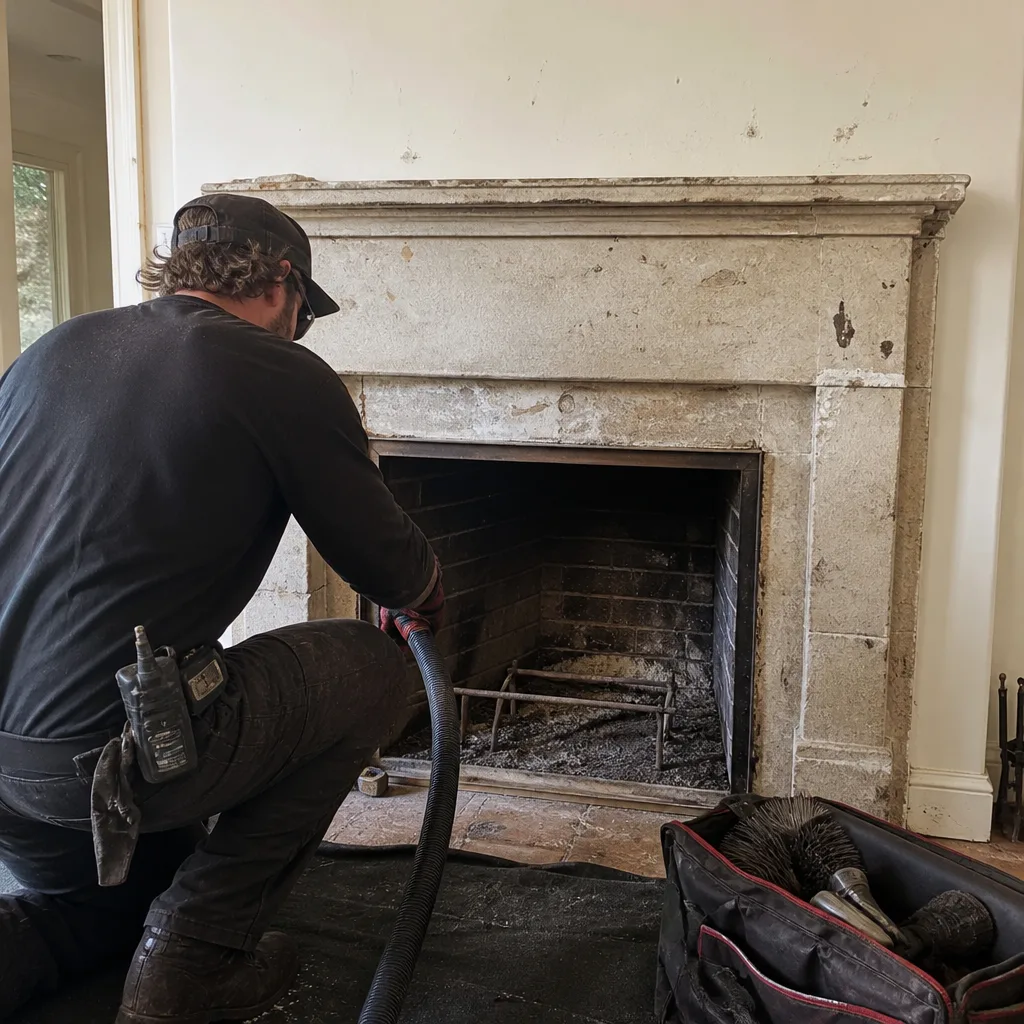
Level 1 sweep and inspection to the NFPA 211 annual standard - flue, crown, cap, and flashing checked and photographed
Chimney sweep logs do not sweep chimneys. They loosen some creosote - which then falls where a brush and vacuum still have to collect it.
Chimney Cleaning Permits, Codes & Inspections in CA: What You Need to Know
Here’s the thing nobody tells you when you book a chimney sweep: the cleaning itself almost never requires a permit in California, but the problems that cleaning uncovers frequently do. A crack in your flue liner, a deteriorated firebox, a chase cover that’s rusted through on a factory-built fireplace – these aren’t hypotheticals. In Santa Monica, where salt air accelerates metal corrosion and older homes carry decades of deferred maintenance, our sweeps find permit-triggering conditions on roughly a third of first-time inspections. This guide explains the actual code landscape, what triggers permits in California and specifically in Santa Monica, how unpermitted work affects your insurance and resale, and how to verify your contractor did it right. For Chimney Cleaning Warning Signs: A Santa Monica Homeowner’s Reference Guide, see our companion resource. If you own a fireplace or wood-burning appliance in California, this is the information that protects your largest asset.
Styles & brands we work with
- Sweep & inspection
- Caps & crowns
- Flue relining
- Masonry repair
- Gas fireplace service
Quick Answer
Chimney Sweep Maintenance Checklist for Santa Monica Homeowners aside, routine chimney sweeping and Level 1 inspections do not require a permit anywhere in California, including Santa Monica. However, structural repairs – relining a flue, rebuilding a firebox, replacing a chase cover, or modifying venting on a factory-built fireplace – generally do require a building permit under the California Residential Code and Santa Monica’s local amendments. The permit isn’t for the sweep; it’s for what the sweep finds.
Table of Contents
- California Building Code: Cleaning vs. Repair
- Santa Monica Local Amendments: What Changes at the City Level
- NFPA 211: The Technical Standard Behind the Code
- Which Specific Repairs Trigger a Permit
- How to Verify a Contractor Pulled the Right Permit
- What Happens If You Skip the Permit: Insurance, Resale, and Disclosure
- Common Mistakes to Avoid
- When to Call a Professional
- Frequently Asked Questions
- The Bottom Line
California Building Code: Cleaning vs. Repair
California adopts the International Residential Code (IRC) as the California Residential Code (CRC), and chapter 10 covers chimneys and fireplaces. The code’s position is straightforward: routine maintenance of an existing system does not require a permit, while alterations to that system’s structure or function do. The California Building Standards Commission publishes the CRC every three years, and local jurisdictions like Santa Monica adopt it with amendments.
Here’s what this means in practice. Sweeping a flue, removing creosote, inspecting the interior with a camera – none of this alters the structure, so no permit is required. But the moment a technician recommends cutting out a damaged section of terra cotta liner and replacing it, installing a stainless steel liner system like DuraFlex, or rebuilding a smoke chamber, you’ve crossed from maintenance into alteration. Under CRC Section R105.1, any construction or alteration to a building’s structure requires a permit.
Key distinction: The code doesn’t define “cleaning” and “repair” in the same section; it relies on the concept of “alteration.” The U.S. Department of Housing and Urban Development’s rehabilitation guidelines align with this: cleaning is the removal of deposits, while repair is the restoration of the system’s structural integrity. A sweep is cleaning. A liner replacement is repair. The permit trigger is structural alteration, not inconvenience.
Our experience in Santa Monica reflects this. Chimney sweeps in Santa Monica routinely perform cleanings without permits because the work is non-structural. The confusion comes when a homeowner receives a deficiency report after the sweep and assumes the entire scope – cleaning plus repair – falls under the same permit exemption. It doesn’t. We make this distinction clear on every inspection report we produce, because the cost and liability difference is significant.
What the CRC Says About Fireplace Alteration
CRC Chapter 10 includes specific provisions covering hearth extensions, clearance to combustibles, flue sizing, and chimney termination heights. When a repair changes any of these – for example, a liner resurfacing that alters the flue’s interior dimensions – the work must be reviewed by a building official. This isn’t bureaucratic red tape. A chimney that draws correctly with one liner diameter may not draft properly after a resurfacing system like HeatShield changes the interior profile. The permit review exists to catch that before it becomes a carbon monoxide problem.
California also has seismic retrofit requirements in some jurisdictions that interact with chimney work. Santa Monica’s older housing stock – much of it built before modern seismic code – includes masonry chimneys that may need bracing or underpinning when significant repair work is done. A good inspector will flag this; a contractor who skips the permit won’t.
Santa Monica Local Amendments: What Changes at the City Level
Santa Monica operates as a chartered city, meaning it enforces its own building code that adopts the California Residential Code with local amendments. These amendments matter for chimney work. Santa Monica’s building division requires permits for any replacement of a fireplace or chimney component that’s classified as a “building element,” which includes flue liners, fireboxes, and chimney crowns.
Several things make Santa Monica different from neighboring jurisdictions. First, the city’s coastal climate accelerates corrosion of metal chimney components – chase covers, caps, dampers, and factory-built fireplace housings. A galvanized chase cover that might last 20 years in Bakersfield can fail in 12 years a mile from the beach in Santa Monica. This means our repair work skews toward the types of replacements that require permits more often than inland communities.
Second, Santa Monica’s Building & Safety Division reviews permit applications with an eye toward energy code compliance in addition to structural code. A chimney repair that affects the building envelope – for instance, replacing a chase cover or repairing flashing at the roof penetration – may trigger Title 24 energy code requirements for insulation and air sealing. This is a Santa Monica-specific nuance that out-of-area contractors often miss.
Santa Monica Neighborhood Context
In neighborhoods like Sunset Park and North of Montana, where homes date from the 1920s through the 1950s, we routinely encounter original masonry chimneys that have never been relined. The terra cotta tiles crack from decades of thermal cycling, and the mortar between them erodes. In newer communities like Ocean Park near the coast, factory-built fireplaces predominate, and the more common permit-triggering repair is a corroded chase cover or damaged venting on a gas fireplace insert.
Santa Monica’s local building department also mandates that contractors performing permitted work be licensed with the California Contractors State License Board and registered with the city. This is a verification step we recommend every homeowner perform before signing a contract, regardless of what the contractor says about permits.
NFPA 211: The Technical Standard Behind the Code
NFPA 211 – the Standard for Chimneys, Fireplaces, Vents, and Solid Fuel-Burning Appliances – is the technical reference that building officials and certified chimney technicians use to evaluate chimney systems. The California Residential Code doesn’t reproduce NFPA 211 in full, but code enforcement officials cite it as the recognized standard for chimney inspection and repair methodology.
Here’s why this matters for the permit conversation. A building inspector reviewing a chimney repair permit application will evaluate the proposed work against NFPA 211’s requirements for clearances, materials, and construction. If a contractor specifies a liner material that doesn’t meet NFPA 211 standards, the permit will be rejected. We’ve seen projects stall for months because a contractor specified an off-brand liner that couldn’t be verified against the standard. We use DuraFlex flexible liner systems precisely because they’re built to NFPA 211 specifications and their documentation holds up under permit review.
Certified chimney technicians reference NFPA 211 because it defines inspection levels. Level 1 is the inspection included with a routine sweep, using readily accessible areas. Level 2 is required when a property is being sold, when the system has changed (new appliance, fuel type), or after a chimney fire. Level 3 is invasive inspection required when a hazard is suspected. These levels matter for permits because Santa Monica’s building department may require a Level 2 inspection report before issuing a repair permit for work triggered by a deficiency found during a routine sweep.
NFPA 211 and Chimney Fires
NFPA 211 is explicit about the effect of a chimney fire on a system: any chimney that has experienced a fire must be inspected to Level 2 or 3 before reuse. A chimney fire can reach 2,000°F inside the flue, enough to crack terra cotta liners and warp stainless steel. If you’ve had a chimney fire in your Santa Monica home and a sweep simply cleans the flue without documenting the post-fire inspection, that cleaning is code-compliant as cleaning but the system remains unverified for structural integrity. This is a dangerous gap. The permit for the repair that follows a chimney fire – often a full reline – is where code enforcement actually protects you. For Chimney Sweep Troubleshooting: Common Problems and How to Fix Them, consult our detailed guide.
This is also where the chimney repair work we do in Santa Monica intersects directly with code: post-fire inspections frequently reveal the need for relining, and relining is a structural alteration that requires a permit.
Which Specific Repairs Trigger a Permit
Let’s be specific, because the permit question is usually answered with “it depends,” which doesn’t help a homeowner planning a repair budget. Here are the repairs that generally require a permit in Santa Monica, and the ones that generally don’t.
Permit Required
- Flue liner replacement or relining. Whether you choose a stainless steel liner system like DuraFlex or a resurfacing system like HeatShield, the work alters the system’s structural interior. HeatShield resurfacing is particularly interesting here: some contractors claim it doesn’t require a permit because the liner isn’t fully removed. Santa Monica’s building division treats any alteration of the flue’s interior profile as structural work subject to permit review. This is one reason we document everything in photos – because the permit reviewer will ask for them.
- Firebox rebuilding. A cracked or deteriorated firebox that requires partial or full rebuild is a structural alteration under CRC Chapter 10. If the firebox is rebuilt with refractory mortar and firebrick, the materials and clearances must be verified by the building official.
- Chase cover replacement on factory-built fireplaces. The chase cover isn’t decorative. It’s the weatherproofing element for the firebox enclosure, and its replacement affects the building envelope. In Santa Monica’s coastal environment, this is one of the most common permit-triggering repairs we perform.
- Smoke chamber parging or rebuilding. The smoke chamber is the transition from firebox to flue, and rebuilding it requires structural work that must be inspected.
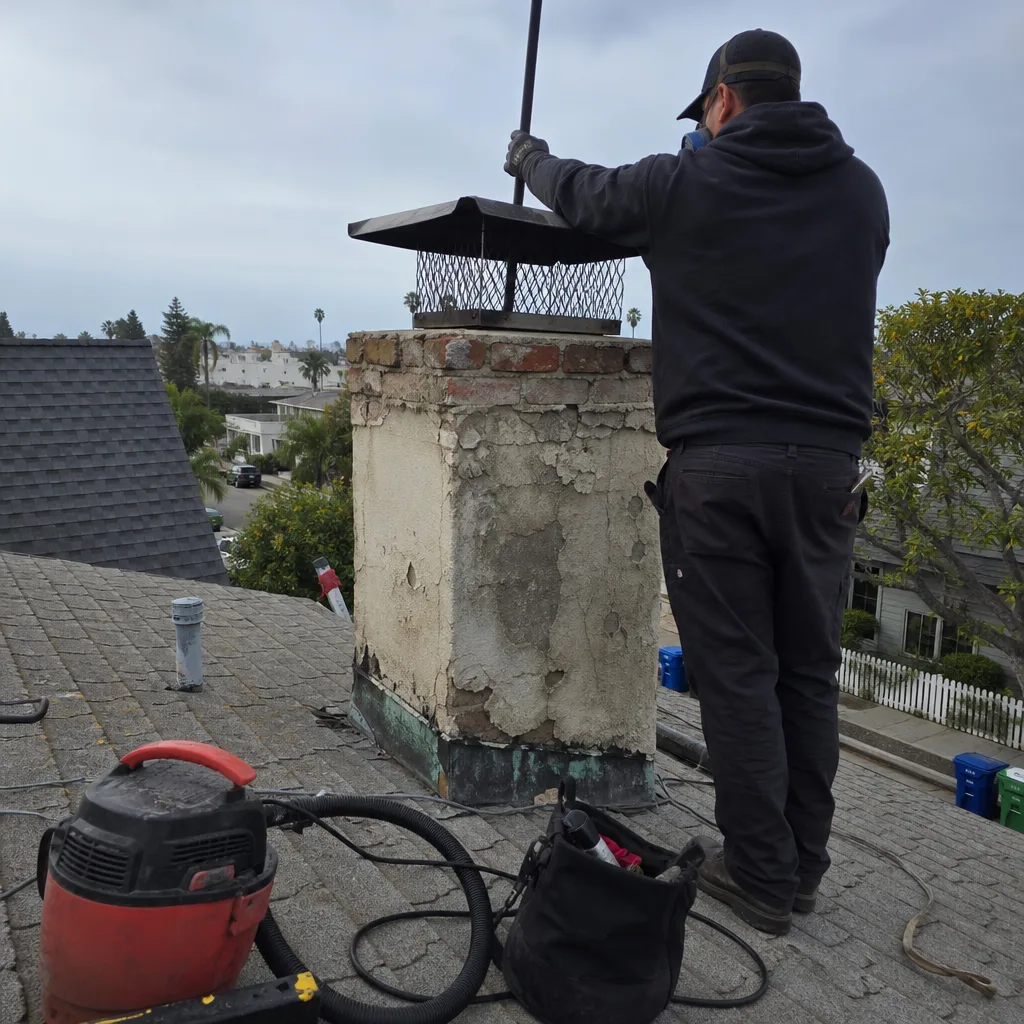
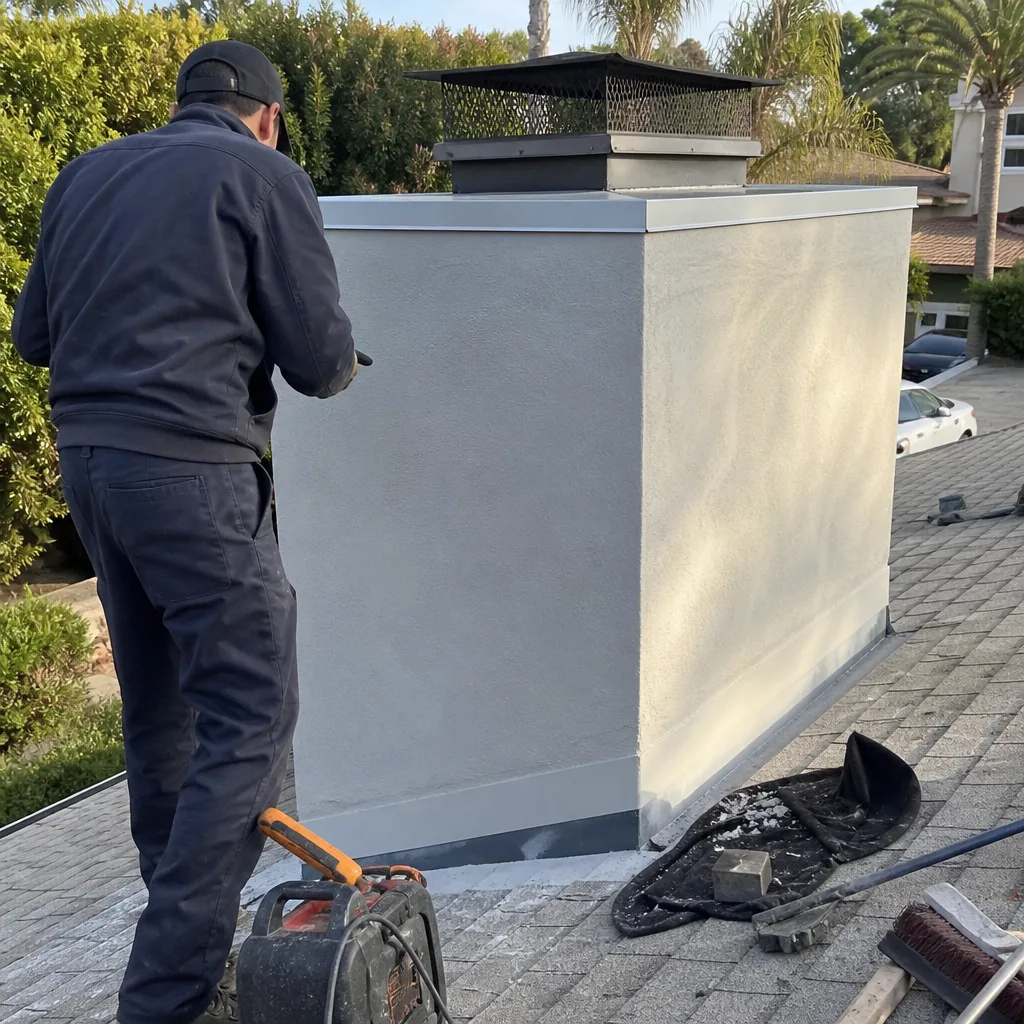
- Chimney crown replacement. The concrete crown that seals the top of a masonry chimney is a structural element. Replacing it means removing the old crown down to the flue and pouring fresh material – structural work by any definition.
- Chimney removal or height alteration. Demolition of a portion of a masonry chimney, or adding to its height, is structural alteration.
No Permit Required (Routine Maintenance)
- Chimney sweeping. Removal of creosote and soot deposits. No structural alteration.
- Level 1 or Level 2 inspection. Camera inspection and visual assessment are non-destructive.
- Damper repair or replacement. When the damper’s mounting assembly remains intact and the replacement is a like-for-like part – for example, installing a Famco top-sealing damper in an existing housing – this qualifies as maintenance. If the damper housing itself must be cut out and rebuilt, that crosses into alteration territory.
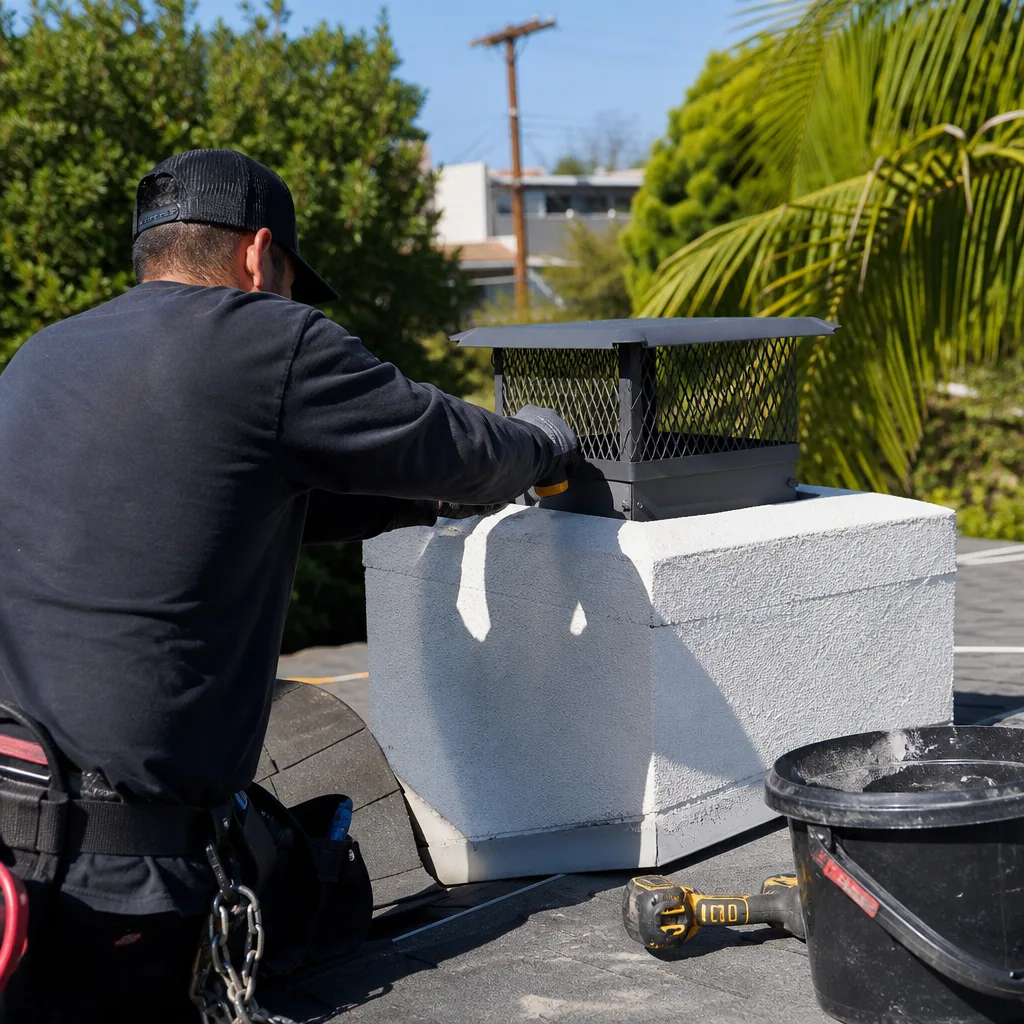
- Chimney cap replacement. A standard rain cap, such as those made by Gelco or Olympia Chimney, that fastens to the existing flue tile without structural modification is maintenance.
- Minor mortar repointing. Touch-up work in a few joints without rebuilding is maintenance. Full repointing of a large section – say, an entire side of the chimney – may be interpreted as structural repair depending on depth.
How to Verify a Contractor Pulled the Right Permit
This section is the one most homeowners skip, and it’s the one that matters most. A contractor who tells you “don’t worry, we handled the permit” has either pulled the permit or not. You can verify this in minutes – and you should, before writing the final check.
- Ask for the permit number. The City of Santa Monica’s Building & Safety Division issues permits with a unique number. If the contractor can’t produce it immediately, the permit hasn’t been pulled. There’s no legitimate reason for a contractor who claims the permit is handled to not know the number.
- Look up the permit online. Santa Monica’s city website has an online permit portal where you can search by address. Enter your address and confirm the permit exists, shows your contractor’s name, and lists the correct scope of work. A permit for “fireplace repair” when the actual work is a full reline is a red flag – the scope must match the work.
- Verify the contractor’s license and Santa Monica registration. Check the California Contractors State License Board (CSLB) website for an active license and proper classification. C-29 is the Masonry Contractor classification, and it’s the one required for chimney structural work. Some chimney companies hold a C-61/D40 (limited specialty) license, which has a dollar-value cap per project. Santa Monica also requires local business registration. If the contractor is licensed but not registered with the city, they likely aren’t pulling permits there.
- Confirm inspection scheduling. A permit requires an inspection after the work is done. The permit isn’t “complete” until the inspector signs off. If the contractor says the work is finished but no inspection was scheduled, you have an open permit – and an open permit is a resale problem.
- Get the final sign-off in writing. Ask for a copy of the final inspection approval. The city records it, but having your own copy protects you if records are lost or the permit system has an error.
In our experience in Santa Monica, homeowners who follow these five steps rarely end up with unpermitted work. The homeowners who don’t follow them are the ones who call us three years later, preparing to sell, and find an open permit or a repair that was never permitted at all.
What Happens If You Skip the Permit: Insurance, Resale, and Disclosure
The consequences of unpermitted chimney work aren’t theoretical in California. They’re codified in real estate law and insurance practice, and they surface at the worst possible moments: during escrow, during a claim, or during a fire investigation.
First, insurance. California homeowners’ insurance policies contain exclusions for damage caused by unpermitted work in many cases. If a chimney fire occurs and the post-fire investigation finds that a prior liner replacement was done without a permit, the insurer may deny the claim on the grounds that the work was unpermitted and therefore not code-compliant. This isn’t speculation – it’s standard insurance defense practice, and we’ve seen it play out in Los Angeles County. The cost of the permit is a fraction of the cost of a denied structural fire claim.
Second, resale. California’s Residential Purchase Agreement (the standard C.A.R. form) requires sellers to disclose any unpermitted work they’re aware of. If you had a chimney relined without a permit and you disclose it, the buyer’s lender may decline to fund – unpermitted structural work is a lending red flag. If you don’t disclose it and the buyer discovers it after close, you have a nondisclosure lawsuit. Unpermitted chimney work is discoverable through building department records (or the absence of them), and it surfaces in pre-listing inspections.
Third, manufacturer warranties. This is the point most contractors don’t tell you. DuraFlex flexible liner systems, HeatShield resurfacing, and virtually all professional-grade chimney components carry warranties that are voided by unpermitted installation. If the work isn’t permitted, the installation technically doesn’t meet code, and the manufacturer’s warranty paperwork specifies code-compliant installation as a condition. You paid for a professional product and a professional installation, but you’ve given away the warranty protection by skipping the permit.
Fourth, liability. If work is done without a permit and it fails – a liner detaches, a firebox cracks, a chase cover leaks – the liability picture gets messy. The contractor’s insurance may not cover unpermitted work, and your homeowner’s policy may treat the resulting damage as excluded. The small savings on a permit fee becomes a large exposure.
Common Mistakes to Avoid
- Assuming the sweep includes the permit. A chimney sweep doesn’t need a permit, so your cleaning invoice won’t include one. But if the sweep uncovers a structural issue and the same company proposes to “take care of it,” ask whether the repair is being permitted separately. Many companies use the momentum of the cleaning to push through unpermitted repair work.
- Letting the contractor decide the work is “too minor” to permit. The contractor’s opinion isn’t the authority. The City of Santa Monica’s Building & Safety Division is. If you’re unsure whether a repair requires a permit, call the city and ask. The building counter staff will tell you.
- Accepting a verbal permit confirmation. “We filed it” isn’t the same as “here’s the permit number and here’s the inspection date.” Get the number, verify it online, and track it to final inspection.
- Choosing a contractor based on a low bid that excludes permit fees. In Santa Monica, a legitimate contractor will include permit costs in the estimate. A bid that’s suspiciously low often reflects a scope that quietly skips the permit. When that happens, the “savings” is a transfer of risk to you.
- Confusing a chimney sweep certification with a building permit. A CSIA-certified sweep is trained to inspect and clean, and that certification is valuable. But a CSIA certification is not a substitute for a City of Santa Monica building permit, and no certification allows a contractor to bypass the permit process.
- Deferring repair after a documented chimney fire. NFPA 211 requires a Level 2 or 3 inspection after a chimney fire. If that inspection identifies a cracked liner and you defer the repair, you’re operating an unverified system. From a code perspective, the chimney is not safe to use until the repair is done and inspected.
- Overlooking the dryer vent. Exhaust duct requirements are embedded in the California Mechanical Code, and dryer vent cleaning in Santa Monica is routine maintenance that doesn’t require a permit – but replacing a length of duct or rerouting a vent may. The same logic applies: cleaning is maintenance, alteration is permitted work. Your dryer vent isn’t just a nuisance to clean; it’s a fire hazard governed by code.
When to Call a Professional
Call a professional when any of these conditions apply: you’ve had a chimney fire, your sweep identified a cracked or deteriorated liner, you’re preparing to sell your Santa Monica home and need a Level 2 inspection for escrow, you see water staining around the chimney chase or ceiling, or your firebox has visible cracks or spalling brick. Also call if you’re buying a home and the seller can’t produce documentation of permitted chimney work. Structural chimney assessment isn’t DIY territory – the risks include undetected flue damage that allows carbon monoxide into living space. Steadfast Chimney Sweep’s home page explains our full scope, but the short version: we inspect, we clean, and we repair using the same professional-grade materials specified in permitted installations. Steadfast Chimney Sweep offers free estimates in Santa Monica – call (833) 593-2844.
Frequently Asked Questions
No. Routine chimney sweeping – the removal of creosote and soot – is classified as maintenance and does not require a permit anywhere in California, including Santa Monica. The permit requirement applies to structural repairs, not to cleaning. If a company tells you a permit is needed to sweep, that’s a misstatement; if a company tells you a permit isn’t needed to reline a flue, that’s also a misstatement. The distinction is structural alteration, and it applies consistently across California.
A standard chimney sweep and Level 1 inspection in Santa Monica typically runs $175 to $300, depending on accessibility and how much creosote has accumulated. A Level 2 camera inspection adds roughly $150 to $250. Repair work is priced separately and requires its own estimate, which is where the permit conversation begins. Call (833) 593-2844 for an exact quote – estimates from Steadfast Chimney Sweep are free, and we’ll tell you plainly whether any work we recommend requires a permit.
You’re obligated to disclose unpermitted work on the C.A.R. disclosure form. Buyers’ lenders may decline to finance if the unpermitted work is structural, and a savvy buyer’s inspector will flag the absence of permit records. The most practical path is to have a licensed contractor assess the work and, if it fails, bring it up to code with a proper permit. This is common enough in Santa Monica that we’ve done it many times – older homes often carry unpermitted work from previous owners, and the solution is retroactive compliance, not concealment.
HeatShield resurfacing is a structural alteration to the flue interior, and Santa Monica’s building division treats it as permit-triggering work. Some contractors claim the proprietary nature of the system exempts it from permit review, but that’s not a position the city shares. The permit process validates that the resurfacing is appropriate for the existing flue condition and that clearances remain compliant. We’re certified to apply HeatShield, and we permit the work every time – because the warranty depends on it, and because unpermitted resurfacing defeats the purpose of a fire-safety repair.
The National Fire Protection Association standard is “whenever there’s a visible accumulation,” but practically, for a wood-burning fireplace used regularly during the winter in Santa Monica, schedule a sweep annually. Coastal humidity doesn’t reduce creosote accumulation; it can actually accelerate it by cooling flue gases more rapidly. For gas fireplaces, an inspection every two to three years is adequate for most households. Wood-burning stoves used as primary heat sources may need sweeping twice a season. If you’re not sure where you stand, call (833) 593-2844 and we’ll give you a straight answer.
A Level 1 inspection is the standard inspection included with a sweep – a visual check of the readily accessible portions of the chimney and appliance. A Level 2 inspection adds camera evaluation of the flue interior and is required by NFPA 211 when a property is changing ownership, when the system has been altered (new appliance, different fuel type), or after a chimney fire. If you’re buying or selling a home in Santa Monica, you need a Level 2 inspection. If you’re just maintaining a system that’s been in regular use with no changes, Level 1 is usually sufficient. If you’ve had a chimney fire, Level 2 is the minimum, and Level 3 may be required.
The Bottom Line
California chimney regulations are straightforward once you understand the one distinction that matters: cleaning is maintenance, and structural alteration is work that requires a permit. A sweep costs a few hundred dollars and is exempt from permitting. The repairs that sweeps uncover – liner replacement, firebox rebuild, chase cover replacement – are structural work that the California Residential Code and Santa Monica’s local amendments require to be permitted. Skipping the permit saves a few hundred dollars and costs thousands in insurance exposure, resale complications, and warranty voidance. The contractor who wants to skip the permit is transferring risk to you. The contractor who pulls the permit, schedules the inspection, and documents the final sign-off is protecting your investment. Before you call anyone, call the city and ask about your specific situation. Or call us – we’ll point you to more guides & resources. tell you the same thing the city will, and we’ll do the work with the permits done right.
Written by the team at Steadfast Chimney Sweep, serving Santa Monica since 2015.
See the difference
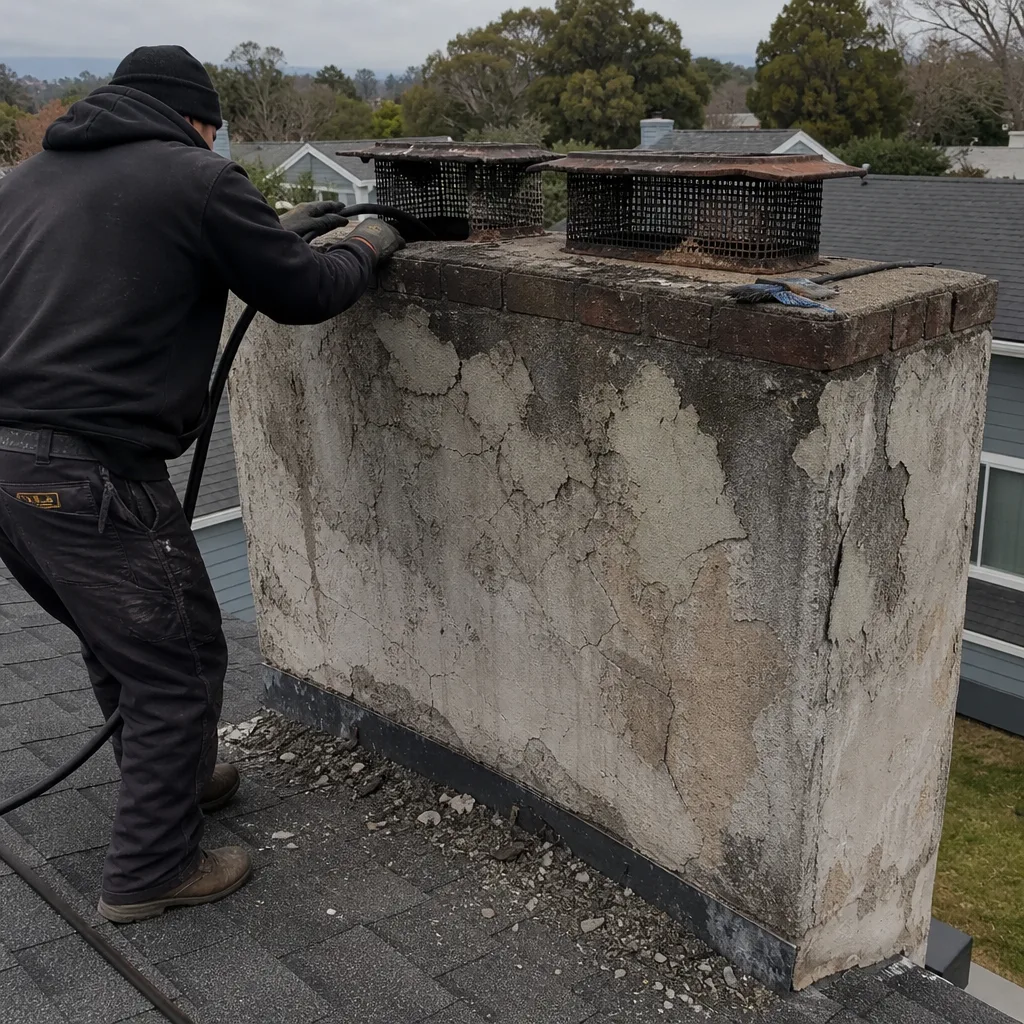 Before
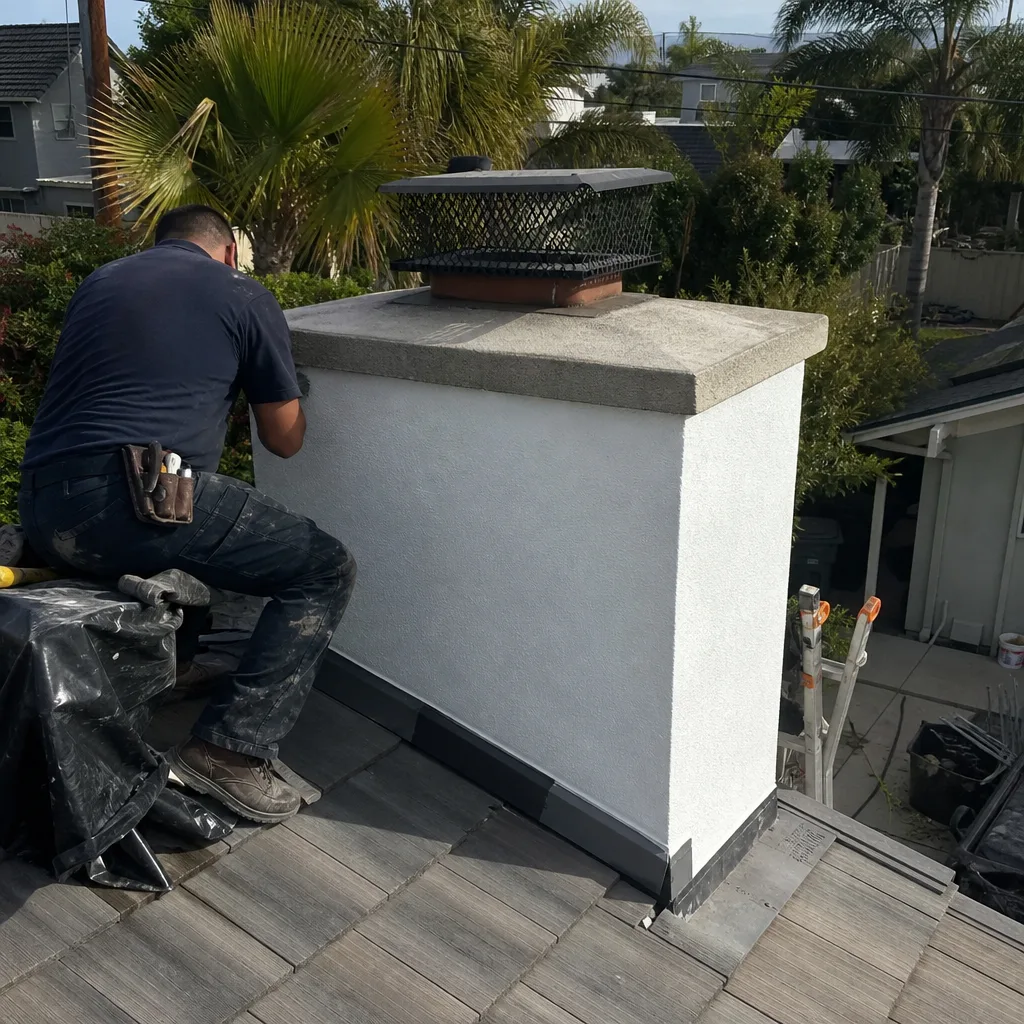 After
 Before
 After
 Before
 After