
Last updated November 2, 2026
 Sweep & inspection
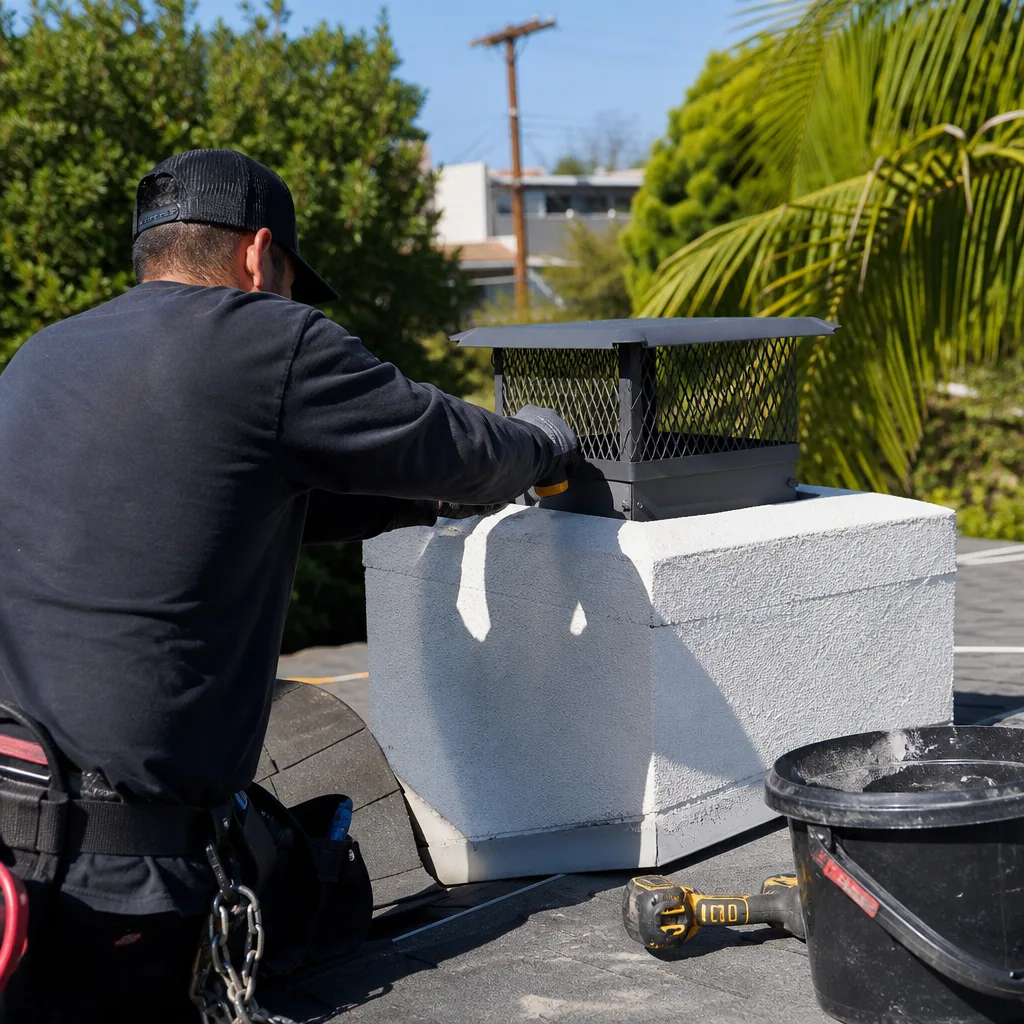
 Caps & crowns
 Flue relining
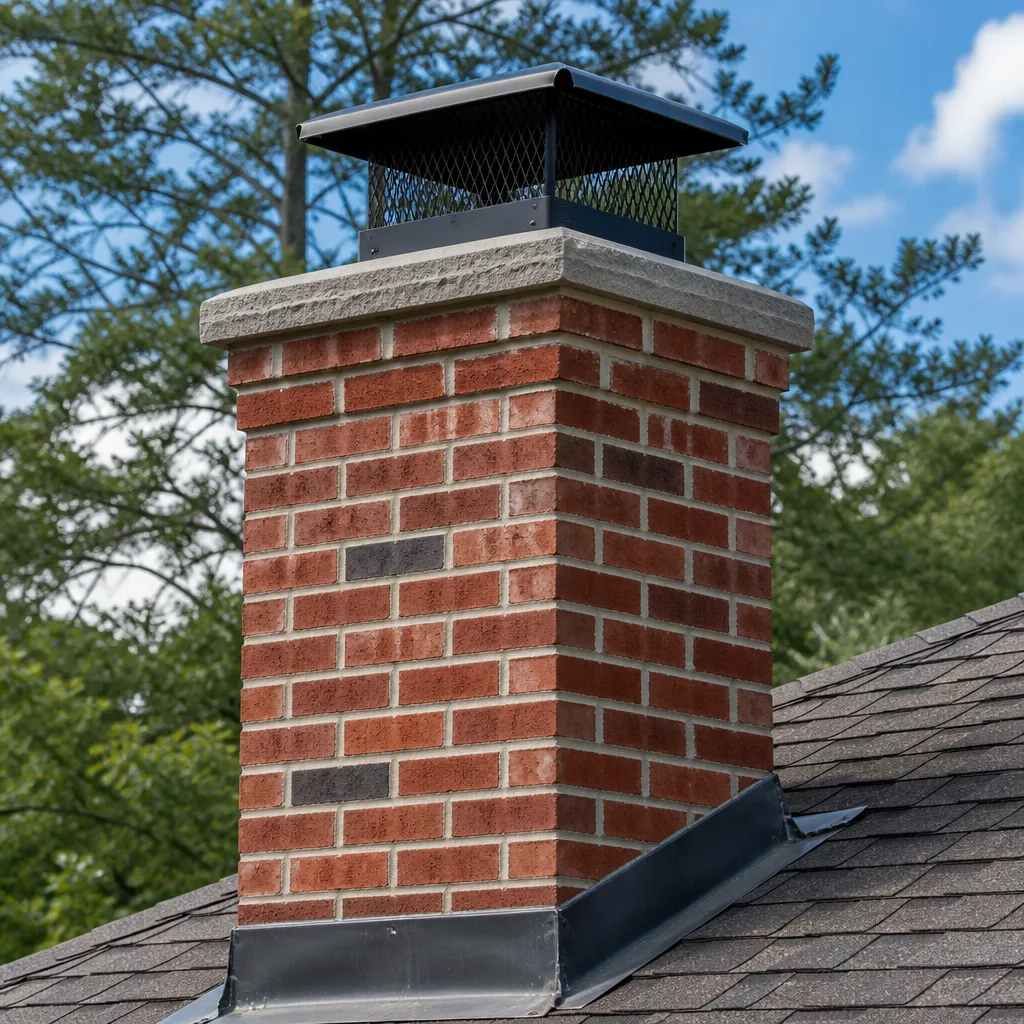 Masonry repair
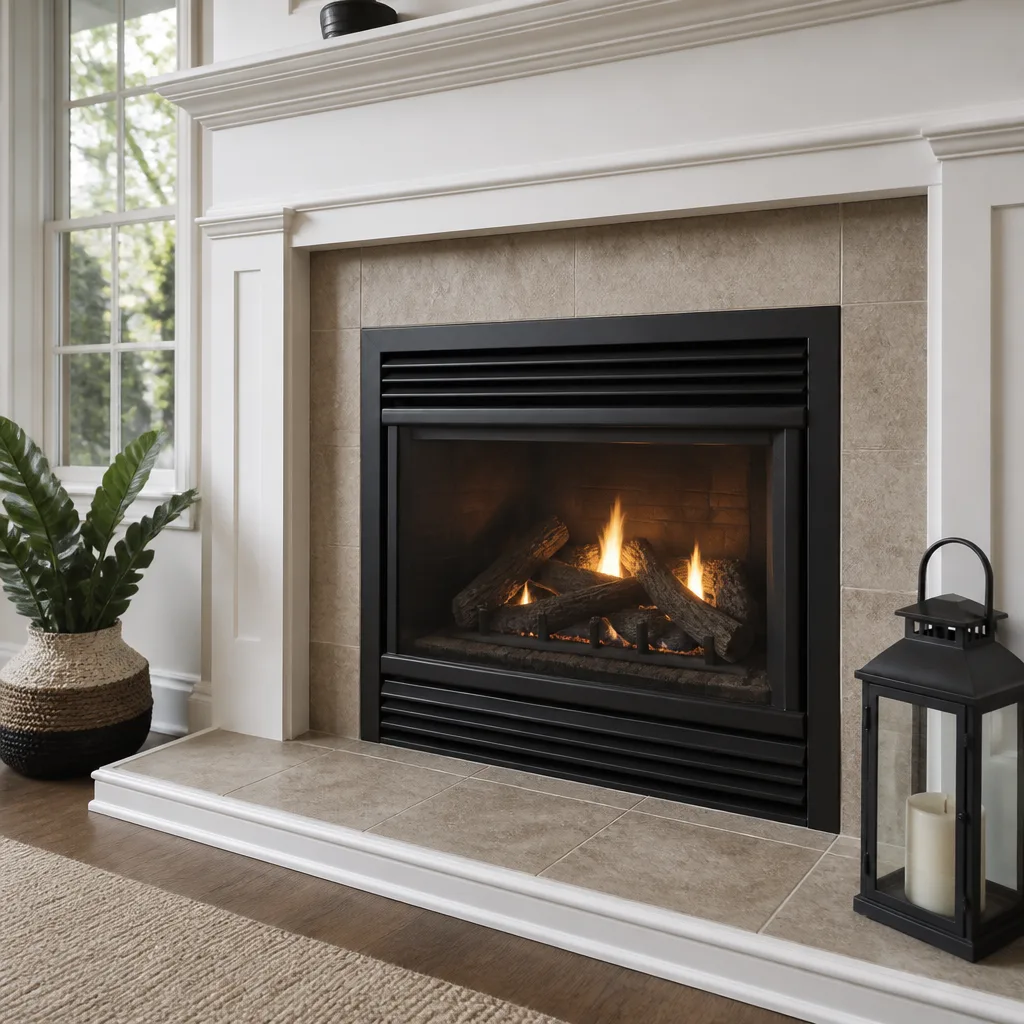 Gas fireplace service
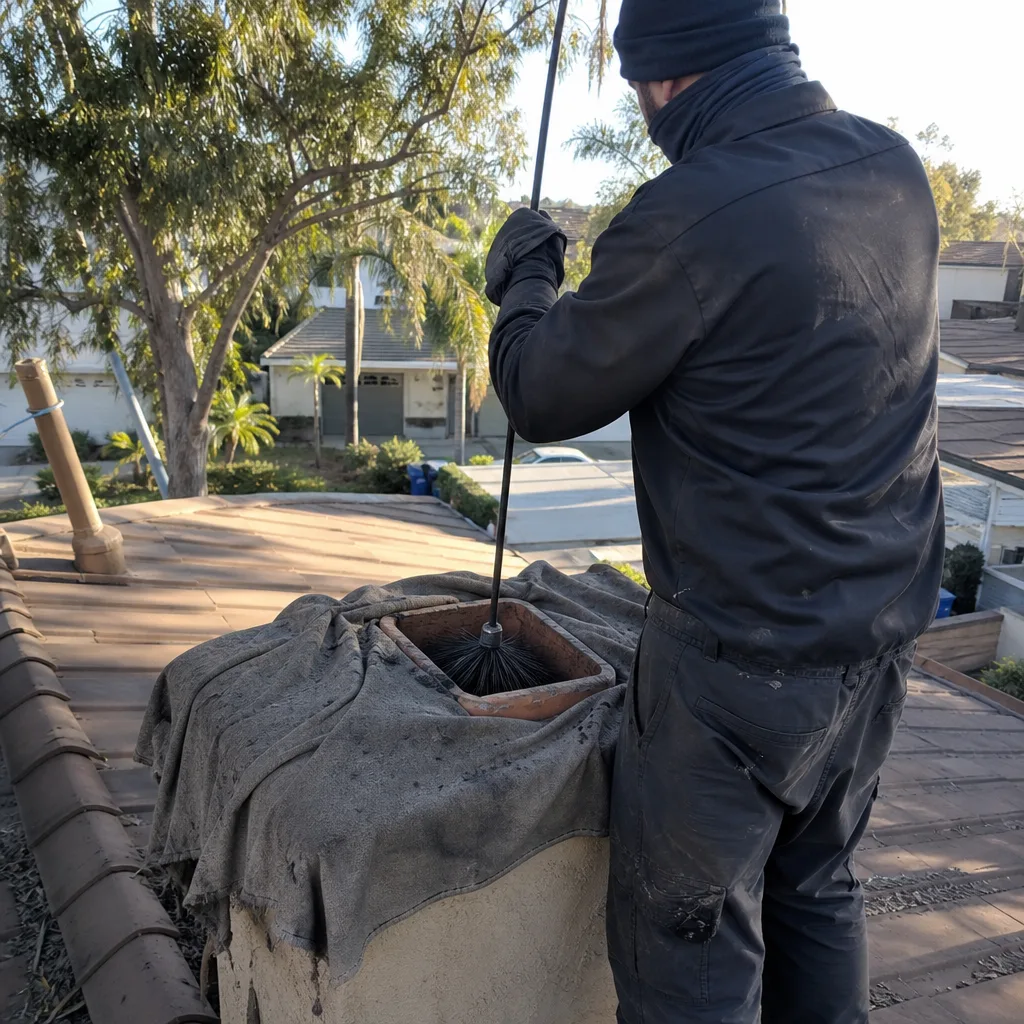
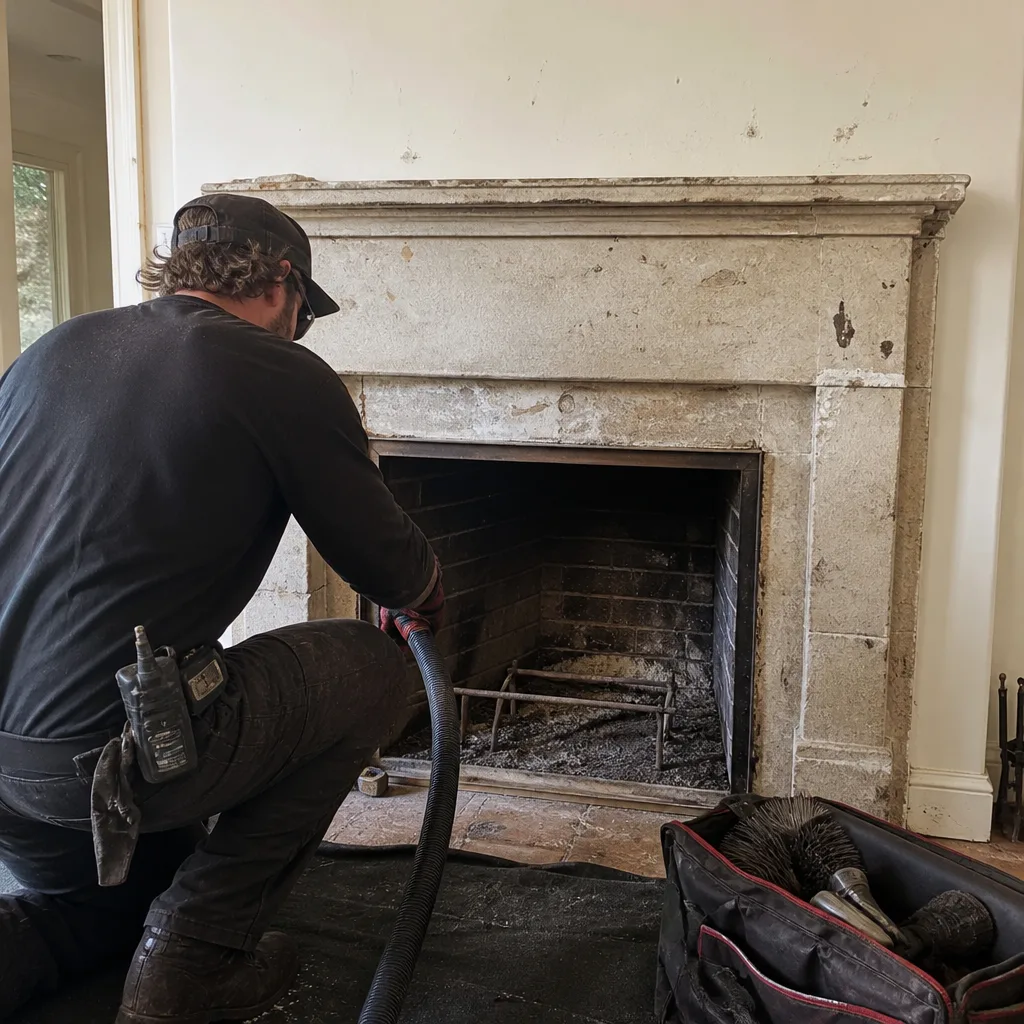
Level 1 sweep and inspection to the NFPA 211 annual standard - flue, crown, cap, and flashing checked and photographed
Chimney sweep logs do not sweep chimneys. They loosen some creosote - which then falls where a brush and vacuum still have to collect it.
Chimney Sweep Troubleshooting: Common Problems and How to Fix Them
The single most misdiagnosed chimney problem is smoke entering the home. Nine out of ten homeowners blame the damper, but in our experience across Santa Monica, the actual cause is more often a pressure imbalance created by exhaust fans, HVAC systems, or a sealed modern home that starves the flue of combustion air. Our Complete Chimney Sweep Guide for Santa Monica Homeowners walks you through a symptom-first diagnostic framework so you can identify which category of problem you have before spending money on the wrong fix. You’ll learn what you can safely observe yourself, what requires a camera inspection, and which repair materials actually match each type of damage.
Styles & brands we work with
- Sweep & inspection
- Caps & crowns
- Flue relining
- Masonry repair
- Gas fireplace service
Quick Answer
Chimney problems fall into five main categories: draft failure (smoke backdraft or poor draw), odor without smoke, visible masonry cracking, water intrusion, and liner deterioration. Most symptoms have multiple possible causes, which is why accurate diagnosis requires matching the specific symptom to the specific root cause before any repair is attempted. A camera inspection is the most reliable way to see what’s actually happening inside a flue, and many repairs can be done in one visit using professional-grade materials like HeatShield resurfacing or DuraFlex liners.
Table of Contents
- Smoke Backdraft: The Most Misdiagnosed Chimney Problem
- Odor Without Smoke: What That Smell Actually Means
- Visible Cracking: Crown, Brick, and Mortar Damage
- Water Staining and Leaks: Tracing the Source
- Poor Draw: When the Fire Just Won’t Burn Right
- Liner Damage: What a Camera Inspection Reveals
- Dryer Vent Problems: The Other Chimney in Your Home
- Common Mistakes to Avoid
- When to Call a Professional
- Frequently Asked Questions
- The Bottom Line
Smoke Backdraft: The Most Misdiagnosed Chimney Problem
Smoke entering your living room when you light a fire feels like an obvious damper problem. You open the damper, light the fire, and smoke rolls back into the room. The damper must be stuck, right? Not necessarily. In tight Santa Monica homes, especially those renovated with new windows, added insulation, or upgraded HVAC systems, the house itself can become a sealed box that fights the chimney for air. When your range hood, bathroom fan, or central heating system pulls air out of the house, the chimney can’t get enough combustion air to draw properly. The smoke takes the path of least resistance, which is back into your living room. We see this regularly in Santa Monica homes built before 1980 that have since been weatherized.
Here are the six distinct causes of smoke backdraft we encounter most often:
- Negative house pressure: Exhaust fans or HVAC systems create a vacuum that overpowers the chimney’s natural draft.
- Cold flue: A cold chimney won’t draw until it warms up. This is worse on chilly mornings or after a chimney has sat unused for months.
- Blocked flue: Nests, leaves, or creosote buildup restrict the passage, so smoke has nowhere to go.
- Undersized or oversized flue: A flue that doesn’t match the fireplace opening or appliance size won’t create the right draft velocity.
- Damper malfunction: The damper may be rusted, warped, or partially stuck in a position that restricts flow even when you think it’s open.
- Competing chimneys: A second fireplace, a wood stove, or even a dryer vent connected to the same general area can compete for air and disrupt draft.
How do you tell which one you have? Start with a simple observation: open a window near the fireplace about two inches and light a small piece of newspaper. If the smoke draws up the chimney with the window open but backdrafts with it closed, you have a negative pressure problem, not a damper problem. That single test saves homeowners in Santa Monica hundreds of dollars on unnecessary damper replacements. If smoke still backdrafts with the window open, the issue is more likely a blockage or flue sizing problem, and a camera inspection is the next step.
Odor Without Smoke: What That Smell Actually Means
A chimney that smells bad when there’s no fire burning is one of the most common complaints we hear from Santa Monica homeowners, especially in summer. The smell is often described as musty, smoky, or like an old campfire. The cause is almost always the same: creosote inside the flue absorbing moisture from humid coastal air, then releasing odor into the house. But there’s a secondary culprit that gets overlooked: water penetrating the masonry itself, which then drips down through the flue and picks up creosote particles before evaporating into the living space.
Think of it this way. Creosote is sticky, tar-like, and absorbent. In a dry climate, it just sits there. In Santa Monica, where summer fog and marine layer bring consistent humidity, that creosote acts like a sponge. It absorbs moisture, swells, and off-gasses into your home. The smell intensifies when temperatures rise because heat accelerates the off-gassing. If your chimney smells worse after a stretch of foggy mornings, that’s the moisture-creosote interaction at work.
Here’s what you can observe without any special tools:
- Does the smell get worse after rain or fog? That points to water intrusion through the crown or flashing.
- Does the smell persist even in dry weather? That suggests creosote buildup itself is the primary source.
- Is the smell strongest near the firebox or in the room above the fireplace? That can help localize whether the issue is in the flue or the masonry.
- Do you see any white or dark stains on the interior or exterior masonry? That’s evidence of moisture moving through the brick.
The fix depends on what the camera inspection and moisture readings show. A heavy creosote deposit responds well to a thorough chimney sweep. Surface cracking on the flue walls may be treatable with HeatShield resurfacing, which seals the flue interior and blocks creosote absorption. If water is entering through the crown, a crown coat application from a brand like Gelco addresses that specific problem without a full rebuild. We’ve used Gelco crown repair materials on Santa Monica chimneys where the original crown had hairline cracks that were funneling water into the flue.
Visible Cracking: Crown, Brick, and Mortar Damage
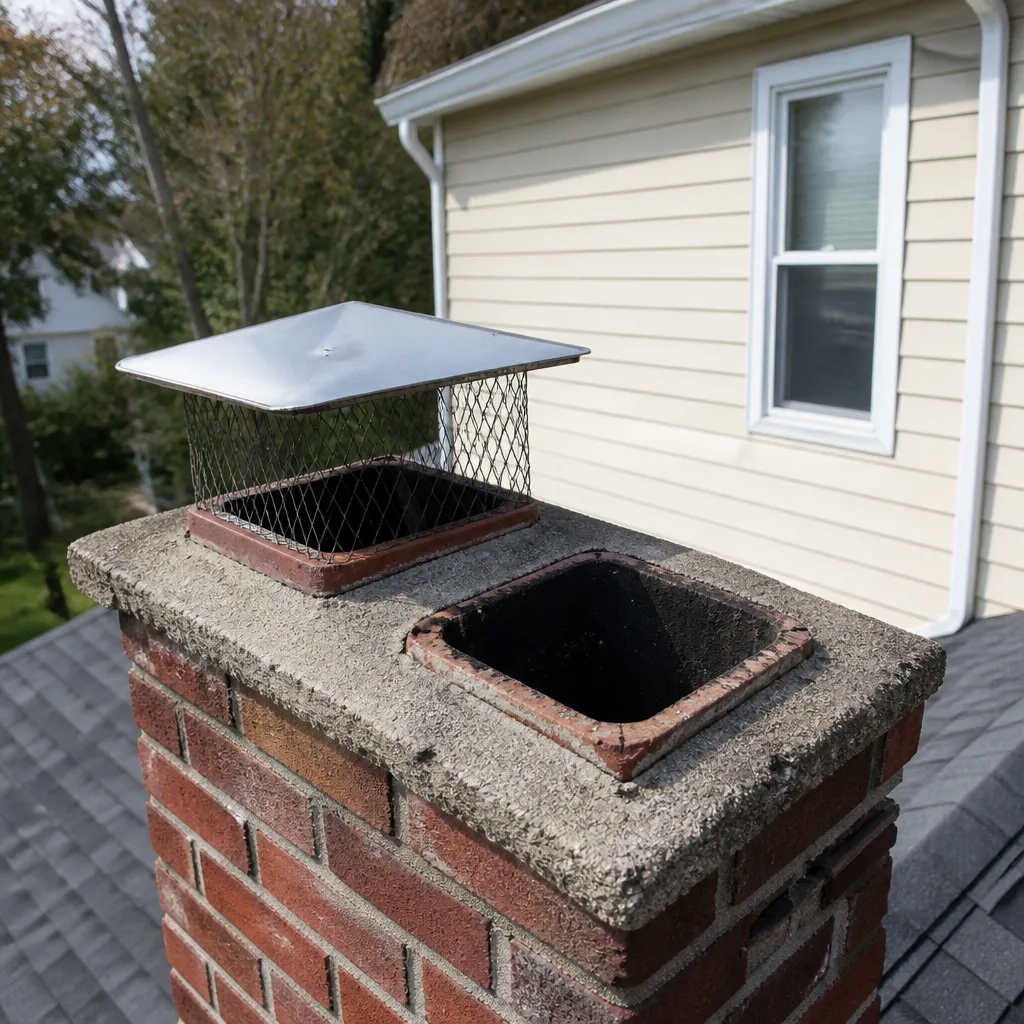
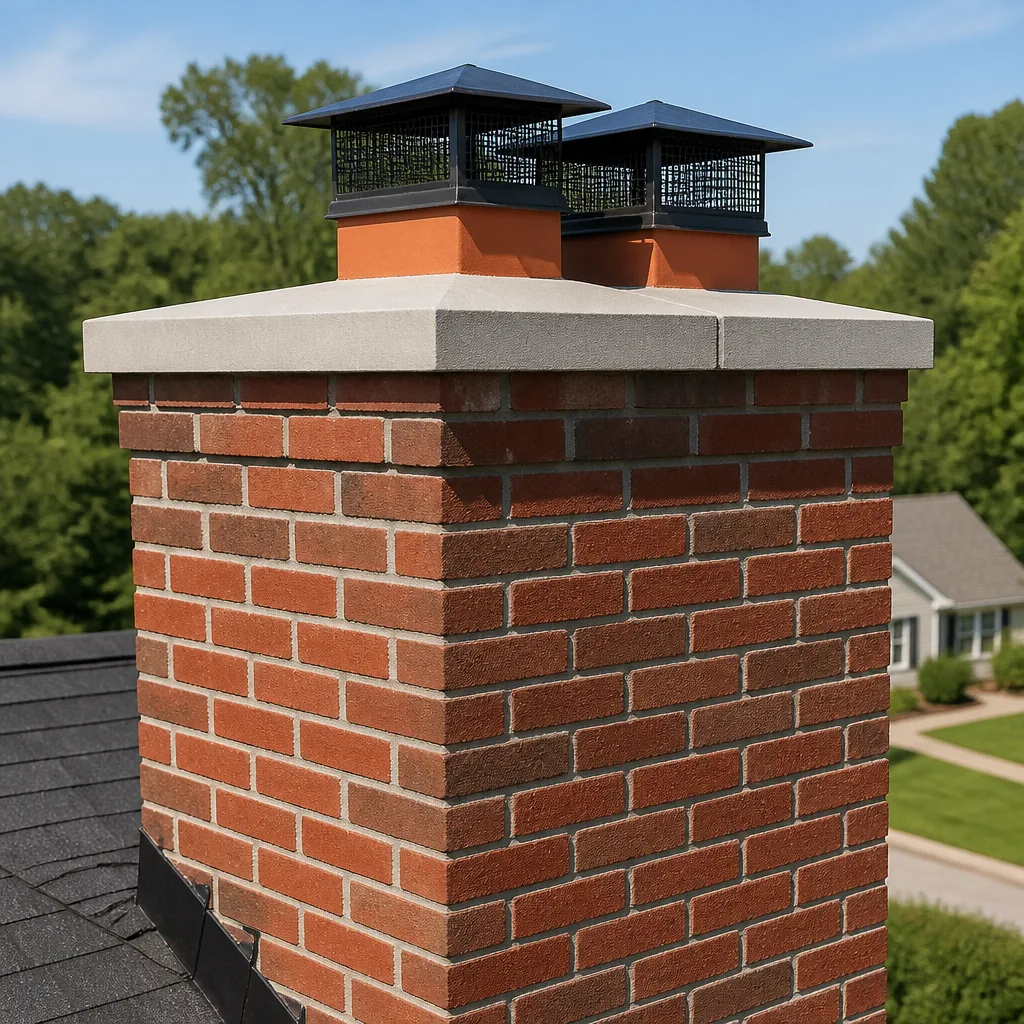
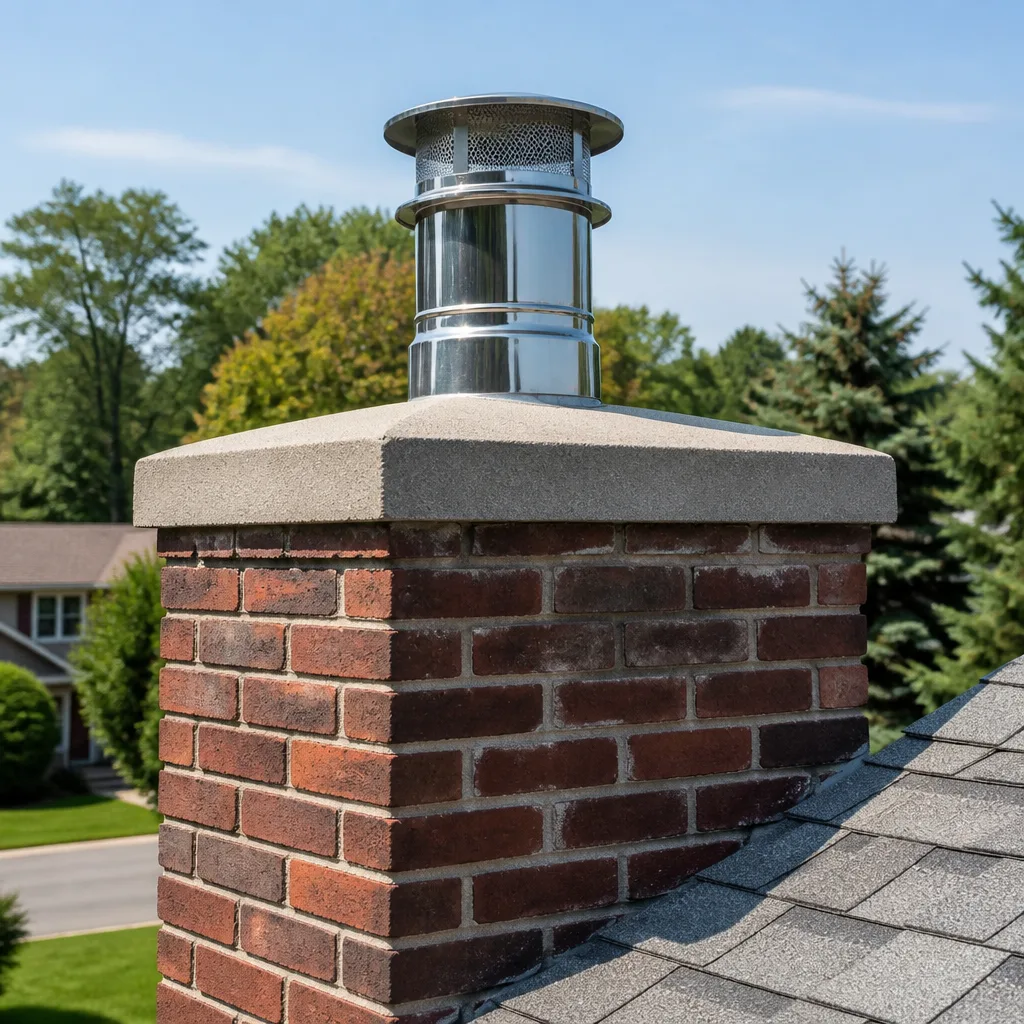
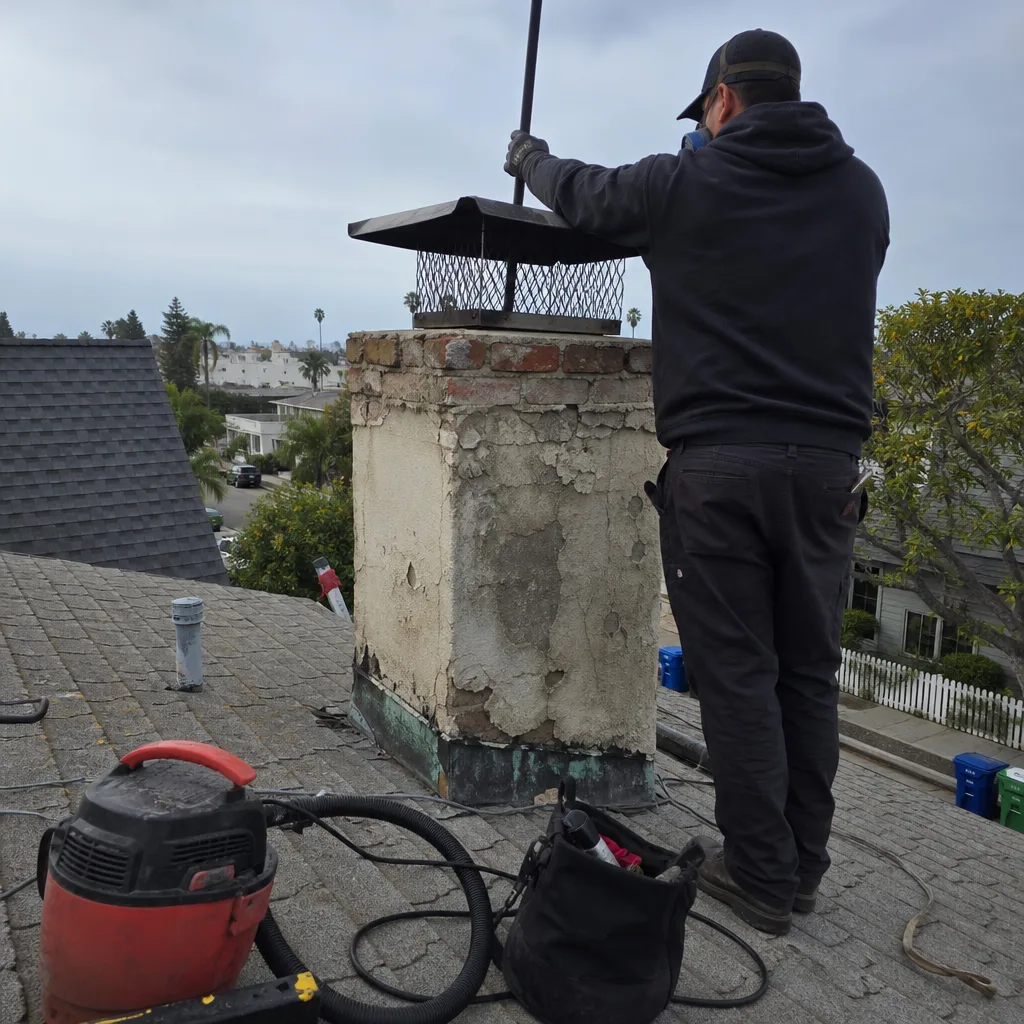
Walk outside and look at the top of your chimney. The concrete slab on top is the crown, and it’s your chimney’s first line of defense against rain. When you see cracks in the crown, hairline fissures that look like a dried-up riverbed, water is already getting in. Over time, freeze-thaw cycles (less frequent in Santa Monica, but still relevant in colder microclimates and during winter cold snaps) widen those cracks until the crown starts to spall, meaning chunks of concrete flake off. That’s structural damage, not cosmetic aging.
Brick cracking tells a different story. A stair-step crack through the mortar joints is often a settling issue, not a surface problem. The chimney may be shifting slightly, or the mortar may be deteriorating from years of salt air exposure. In Santa Monica, the marine environment accelerates spalling on older brick because salt crystals get into the pores of the brick and slowly break it apart. When you see white powdery deposits on brick, that’s efflorescence: water moving through the masonry, dissolving salts, and depositing them on the surface. It’s a sign of ongoing moisture movement, not a one-time event.
Mortar joint deterioration is the third common visible problem. Mortar naturally erodes over decades, and when the joints get deeply recessed or crumbly, the chimney loses lateral stability. Tuckpointing, which is the process of removing deteriorated mortar and replacing it with fresh mortar, restores that stability. It’s a repair best done before the joints erode so deeply that the bricks themselves start to shift.
What you can safely observe:
- Crown surface: hairline cracks, spalling, or gaps where the crown meets the flue liner.
- Brick faces: spalling, efflorescence, or cracks longer than a few inches.
- Mortar joints: deep recession, crumbling, or missing mortar.
- Flashing: the metal where the chimney meets the roof. Loose, rusted, or separated flashing is a direct water entry point.
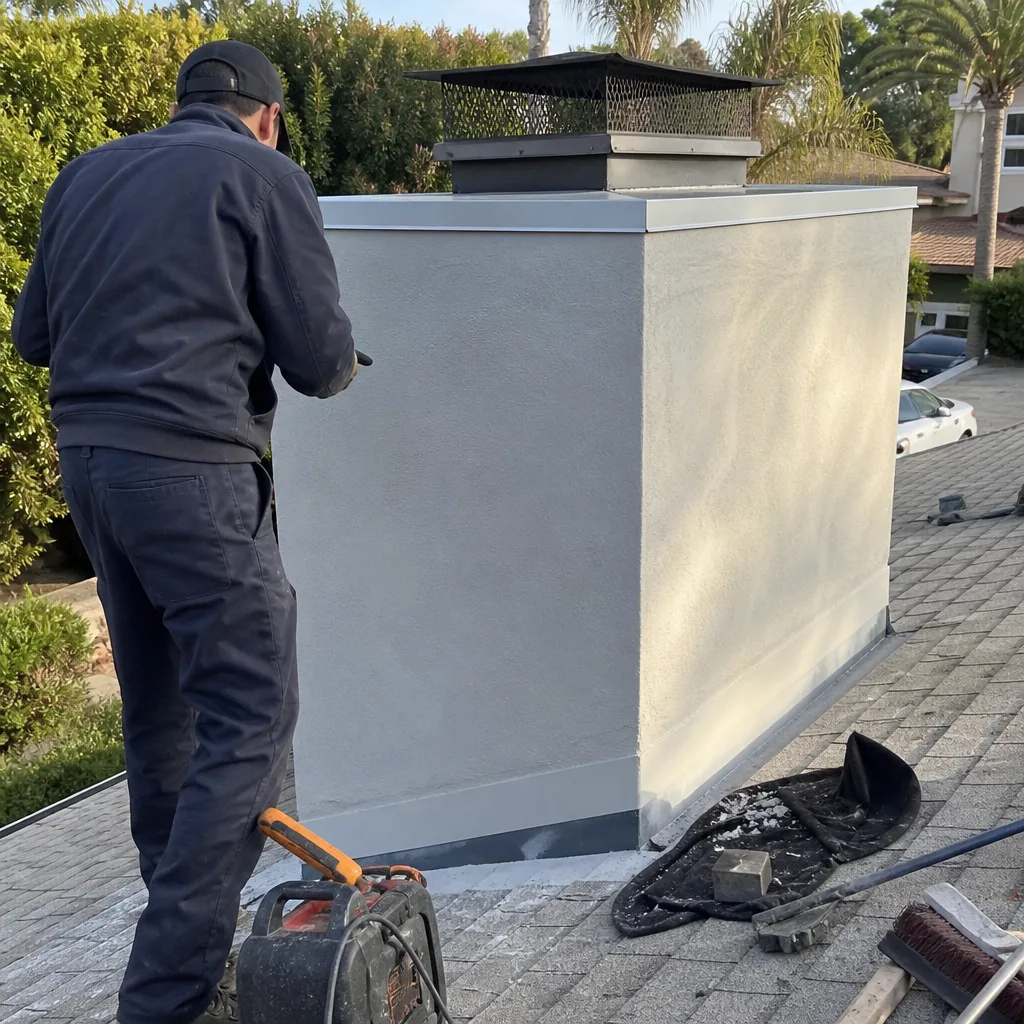
Surface crown cracking of the hairline variety is typically addressed with a crown coat, and we stock Gelco crown repair products for exactly this application. Structural settlement, though, is a different conversation. If you see stair-step cracks moving through the bricks themselves, not just the mortar, the chimney may be moving, and a mason should evaluate the footing before any surface repair is attempted.
Water Staining and Leaks: Tracing the Source
Water shows up in three places: on the ceiling near the chimney, on the firebox floor, or on the exterior brick. Each points to a different entry point, and treating the wrong one leaves water still finding its way in. The most common source in Santa Monica is not rain coming straight down the flue. It’s water leaking around the flashing where the chimney meets the roof, followed closely by water entering through a cracked crown. A third, less frequent source is water wicking up through the masonry from the ground, which happens when brick sits close to soil or when irrigation spray hits the chimney base regularly.
Here’s a step-by-step approach to tracing the source:
- Check the ceiling stain location relative to the chimney. A stain directly adjacent to the chimney suggests flashing failure. A stain several feet away may indicate water running along a roof beam before dripping.
- Look at the crown from a ladder (or from a second-story window). Hairline cracks that catch the light are the first place water gets in.
- Inspect the flashing from the roof’s perspective if you can safely access it. Rust, lifted edges, or old caulk that’s pulling away are all water entry points.
- Check for moisture inside the firebox after rain. A wet firebox floor points to water entering the flue itself, which suggests the flue liner is cracked or the crown is failed.
- Look for efflorescence on the exterior brick. It tells you water is moving through the masonry, and the pattern can help localize where it’s entering.
Water inside the flue cavity is more serious than water in the attic because it damages the liner, accelerates creosote absorption, and creates the conditions for odor problems. If the liner is clay tile, water intrusion will eventually crack the tiles. If the liner is metal, it will rust. Both situations require repair work before the next heating season. In our experience, Santa Monica homes with original clay tile liners that have been exposed to decades of marine humidity are the most likely candidates for liner degradation.
Poor Draw: When the Fire Just Won’t Burn Right
Poor draw is different from smoke backdraft. Smoke backdraft is immediate and obvious. Poor draw is subtler: the fire burns slowly, the flames seem lazy, and you may notice smoke lingering at the top of the firebox before it eventually goes up. You might also notice that fires are hard to start, or that the fire dies out quickly even when you add wood. Homeowners often describe this as “the fire just doesn’t feel right.”
The root cause is usually a draft restriction. That could mean a flue that’s too small for the fireplace opening, a chimney that’s too short to establish enough draft, a flue that’s partially blocked, or a house that’s too tight to provide enough makeup air. In Santa Monica, where many older bungalows and Spanish-style homes have modest chimney heights by design, short chimneys are a frequent contributor. A chimney needs to extend at least two feet above anything within ten feet of it, and many older Santa Monica chimneys fall short of that standard.
Another cause that surprises people: a liner that’s too smooth. Traditional clay tile liners have rough interiors that actually help slow the smoke slightly and keep it moving upward. When a chimney is relined with an improperly sized smooth metal liner, the draft can become turbulent and unpredictable. That’s why matching the liner to the appliance and the flue dimensions matters, and why we use DuraFlex flexible liner systems that are specified for the specific appliance involved.
Here’s the diagnostic order we follow when a Santa Monica homeowner reports poor draw:
- Verify the chimney height and location relative to roof peaks and nearby structures.
- Check for partial blockages: nests, leaf litter, or heavy creosote accumulation.
- Measure the flue dimensions and compare them to the fireplace opening size.
- Evaluate the house for negative pressure. This often gets overlooked, and it’s the most common cause of poor draw in renovated Santa Monica homes.
- Inspect the liner for damage that may be disrupting airflow.
The fix varies depending on what the inspection reveals. A partial blockage can usually be cleared with a sweep. A short chimney may need an extension, which is moderately invasive but effective. A negative pressure problem may be resolved by adding a makeup air vent, which brings fresh air into the firebox or the room. We’ve also corrected poor draw by relining the flue with the appropriate diameter when the original liner was simply the wrong size for the fireplace.
Liner Damage: What a Camera Inspection Reveals
The liner is the most important part of your chimney that you can’t see without a camera. Its job is to channel smoke and hot gases out of the home, and it’s also the barrier that protects the surrounding masonry from heat and corrosive condensation. When the liner is compromised, hot gases can reach the brickwork, creosote can accumulate in places you can’t see, and in the worst case, a chimney fire can start or carbon monoxide can leak into the living space.
Camera inspections reveal things a visual check from the roof simply cannot: cracks in clay tiles, gaps between tiles, rust-through on metal liners, and creosote glazing on the flue walls. We perform camera inspections as standard practice on every chimney sweep in Santa Monica because we believe a sweep report means nothing if no one can fix what’s found. Seeing the inside of the flue is the only way to know whether the liner is intact or whether the flue is holding deposits that will cause problems later.
What the camera finds determines the repair path:
- Minor surface cracking without structural compromise: HeatShield resurfacing can restore the flue interior without full relining. HeatShield is a proprietary repair system that requires trained application, and it seals cracked flue surfaces while blocking creosote absorption. This is the single most cost-saving repair in chimney work: it restores a damaged flue for less than half the cost of a full relining in most cases.
- Moderate damage with larger cracks or missing tile sections: A full relining is usually the right call. We install DuraFlex flexible liner systems, which are professional-specification products also used by certified chimney technicians. The liner is sized to the appliance and the flue, and it provides a continuous smooth surface from firebox to cap.
- Severe damage with structural compromise: The repair work may extend beyond the liner itself, which is why having a company that performs chimney repair as a named service (not an upsell) matters. At Steadfast Chimney Sweep, we handle the full scope.
The key point about liner damage: it rarely announces itself. A Homeowner in Santa Monica can go years without knowing the liner is cracked because fires still draw and nothing looks wrong. The first indicators are often subtle: a faint smoke smell in a room you don’t use, a cracked tile found during a sweep, or an inspection report from a previous company that flagged “liner issues” without explaining what they meant. A camera inspection ends the guesswork.
Dryer Vent Problems: The Other Chimney in Your Home
Your dryer vent is a chimney for lint. That’s not a metaphor. It carries hot, humid exhaust out of your home, and when it’s blocked, the consequences are the same as a blocked fireplace flue: heat buildup, fire risk, and carbon monoxide danger if the dryer is gas-powered. We include dryer vent cleaning as a core service alongside chimney sweeping because these are the two most common exhaust-related fire hazards in a home, and they share the same root cause: neglect.
The signs of a dryer vent problem are easy to miss because they develop slowly. The load takes longer to dry. The dryer feels hot to the touch on the outside. You notice a burning smell when the dryer runs. The lint trap is full after every load, even when you clean it regularly. All of these point to reduced airflow through the vent pipe, which means lint is accumulating somewhere you can’t see.
Santa Monica adds a specific wrinkle: many homes have short dryer vent runs that exit through an exterior wall, but others, especially in multi-story buildings or attached townhomes, have long runs that travel through walls, floors, or ceilings to reach the outside. Long runs accumulate lint faster because the exhaust has to work harder to push the moisture and lint through the pipe. Any turn in the vent run is a lint collection point.
The fix is mechanical: a professional dryer vent cleaning that clears the entire run from the dryer to the exterior termination point. We do this alongside chimney work, which is why a single service call can address both of the major exhaust-related fire hazards in your home. If you’re scheduling a chimney sweep, ask about adding dryer vent cleaning to the same visit, or check our more guides & resources for additional maintenance tips. For Santa Monica homeowners, we do both in one appointment when scheduling permits.
Common Mistakes to Avoid
- Assuming smoke backdraft is always a damper problem. Most often, it’s negative house pressure caused by exhaust fans or sealing. Open a window near the fireplace to test before calling for damper replacement.
- Painting over efflorescence. White powdery deposits on brick indicate moisture moving through the masonry. Painting seals the moisture in, which causes the brick to spall faster.
- Ignoring a summer chimney odor. That smell in August is creosote absorbing coastal humidity and off-gassing. A sweep and possibly liner repair now prevents a bigger problem when you start burning again.
- Using a chimney sweep company that only provides a report. If the company doesn’t perform repairs, they have no incentive to help you understand what’s important versus what can wait. Steadfast is a full-service chimney company: Chimney Sweep in Santa Monica, structural repair, and dryer vent cleaning under one roof.
- Choosing a low-cost sweep without a camera inspection. A visual check from the top cannot see inside the flue. You’re paying for the cleaning but getting no information about liner condition, which is the most important thing to know.
- Caulking flashing gaps without addressing the underlying moisture source. Caulk is a temporary patch. The flashing itself may need to be replaced, and if water has been entering for years, you may have hidden damage behind the brick.
- Skipping a pre-purchase chimney inspection. When buying a Santa Monica home with a fireplace, always get a camera inspection before closing. We’ve found liner damage, hidden blockages, and one memorable case where a former homeowner had sealed the flue with a piece of plywood and painted it to look like a damper.
When to Call a Professional
Call a professional when you see water staining inside the firebox or on the ceiling near the chimney, when smoke backdrafts consistently even with a window open, when you smell a persistent odor that doesn’t clear after a sweep, or when you notice any visible cracking in the liner that you can see from the firebox. The same applies if your home was built before 1980 and the flue has never been inspected with a camera, or if you’ve recently renovated and sealed the house, which changes the combustion air equation. High-tension situations include rusted or damaged caps, which can fall onto people below, and corroded metal liners, which can release hot gases into the masonry. These are not DIY fixes. Chimney Repair in Santa Monica should always be handled by someone who can diagnose and fix in one visit. Steadfast Chimney Sweep offers free estimates in Santa Monica – call (833) 593-2844. While you’re having the chimney evaluated, ask about Dryer Vent Cleaning in Santa Monica, which addresses the second most common exhaust hazard in your home on the same call.
Frequently Asked Questions
A standard chimney sweep in Santa Monica (cleaning plus basic visual inspection) typically costs $180 to $350, while sweeping with a full camera inspection runs $250 to $450 depending on flue size and accessibility. A sweep of a heavily used fireplace with significant creosote buildup may cost more because it takes longer and may require specialized tools. Exact pricing depends on your chimney’s condition, height, and whether we’re also servicing the dryer vent on the same visit. Call (833) 593-2844 for a specific quote – we can usually provide a firm price over the phone.
The National Fire Protection Association standard is to sweep when creosote buildup reaches 1/8 inch, which for most Santa Monica homeowners who burn wood fires regularly translates to once per year. If you only burn occasionally (a few fires per season), every two years is usually sufficient, but a camera inspection should still happen annually if possible. The coastal climate in Santa Monica accelerates creosote absorption because of humidity, so even a chimney that wasn’t heavily used can develop odor problems if left unchecked.
You need a new liner if the camera inspection shows cracks in the clay tiles, gaps between tiles, rust-through on a metal liner, or severe creosote glazing that has compromised the flue structure, but not every liner recommendation is honest. Steadfast Chimney Sweep addresses this by requiring camera evidence before ever recommending liner work, and by offering HeatShield resurfacing as an alternative when the liner is damaged but not structurally compromised. HeatShield restores a damaged flue interior without full relining, and it costs significantly less. We’re also a Steadfast Chimney Sweep home company that performs repairs ourselves, so we don’t have an incentive to inflate a repair report: if the liner is fine, we’ll tell you the liner is fine. Call (833) 593-2844 for a free estimate if you want a straight answer.
What happens is creosote continues to accumulate, and at about 1/4 inch of buildup, the creosote becomes a fuel source for a chimney fire that can burn at over 2,000 degrees Fahrenheit. Even without a full chimney fire, the buildup restricts draft, which forces smoke and carbon monoxide to find other exits. You’re also allowing liner damage to progress undetected, because the only reliable way to see liner cracks is during a sweep with a camera. The cost of skipping a sweep is almost always higher than the cost of the sweep itself. Call (833) 593-2844 to schedule yours.
Summer is actually the ideal time for chimney repair in Santa Monica, because the weather is consistently dry and you don’t need to use the fireplace. Repairs that involve concrete crown work, HeatShield resurfacing, or relining all require dry conditions for proper curing, and summer in Southern California provides that predictably. Many Santa Monica homeowners book their chimney work in late spring or summer specifically to avoid the fall rush, and you’ll often get faster scheduling. The only downside: chimney odor problems are most noticeable in summer, which is the very thing that drives many people to call us in the first place.
A chimney sweep removes creosote, soot, and debris from the flue; a chimney inspection evaluates the condition of the liner, crown, flashing, and masonry to identify damage or safety issues. At Steadfast Chimney Sweep, we include a basic inspection with every sweep, and we offer a full camera inspection as part of our standard service because we believe you should see what’s happening inside your flue. Sweeping and inspection are complementary: the sweep makes the chimney safe to use by removing the fuel source, and the inspection tells you whether the structural components are doing their job. For details on selecting quality service providers, see our guide on Choosing the Right Chimney Cleaning Brand: A Buyer’s Guide for Santa Monica.
The Bottom Line
Chimney problems are symptoms with multiple possible causes, and guessing is expensive. The right approach is to match the specific symptom (smoke backdraft, odor, cracking, water staining, poor draw) to the specific root cause before spending money on any repair. A camera inspection is the fastest way to get certainty, and it’s the only way to see liner damage before it becomes a house fire or a carbon monoxide problem. Steadfast Chimney Sweep serves Santa Monica with the full scope of chimney health: sweeping, structural repair, and dryer vent cleaning, using professional-grade materials including HeatShield, DuraFlex, Gelco, Olympia Chimney, Famco, and Copperfield. Inspect, clean, and repair in one visit. If you notice any of the symptoms in this guide, call (833) 593-2844 for a free estimate, and we’ll help you figure out what’s actually wrong.
Written by the team at Steadfast Chimney Sweep, serving Santa Monica since 2015.
See the difference
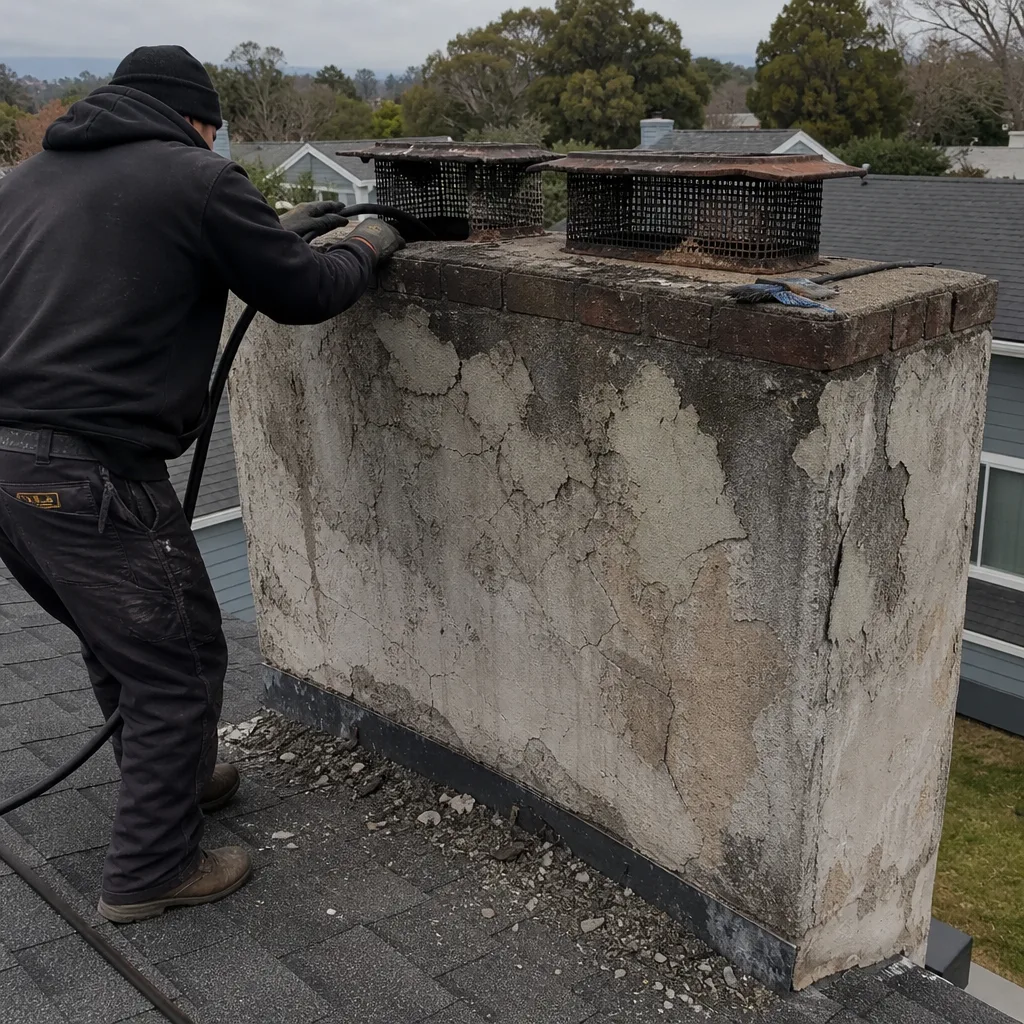 Before
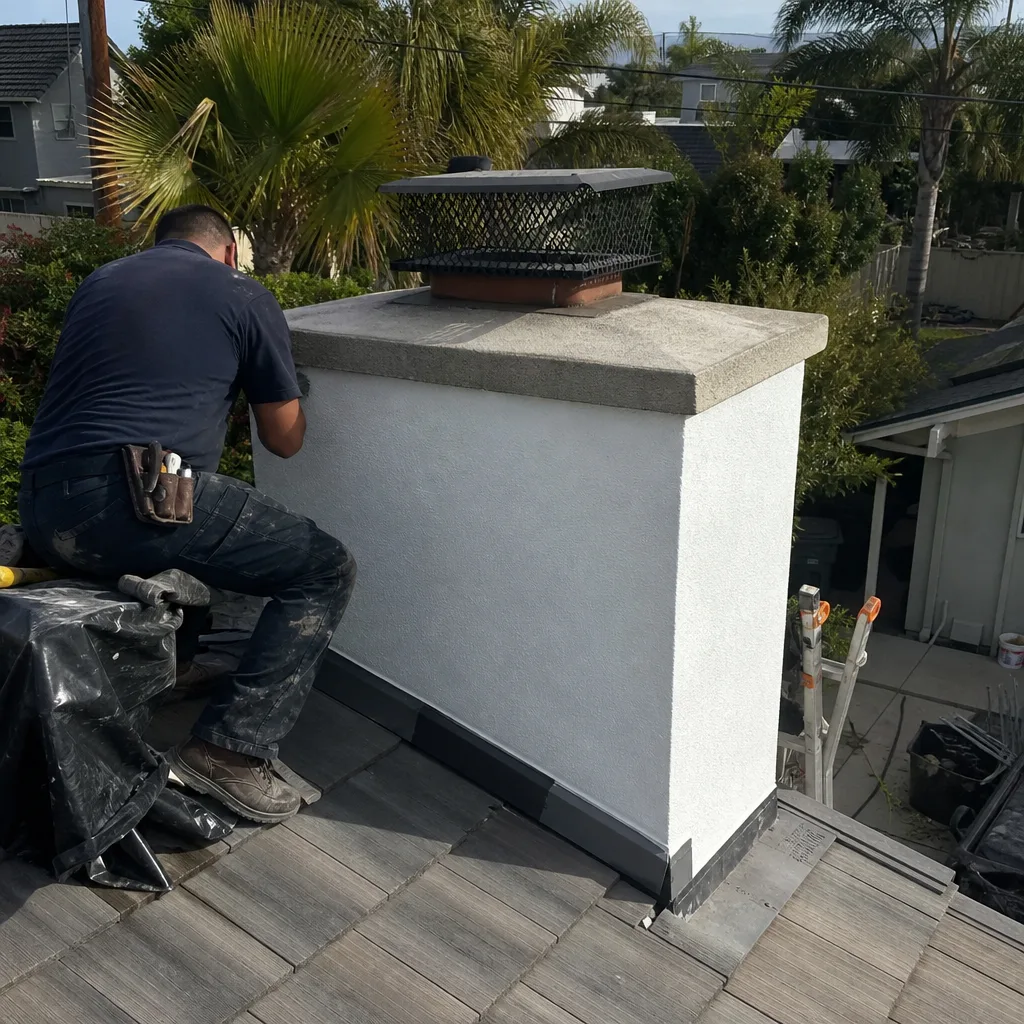 After
 Before
 After
 Before
 After