
Last updated November 2, 2026
 Sweep & inspection
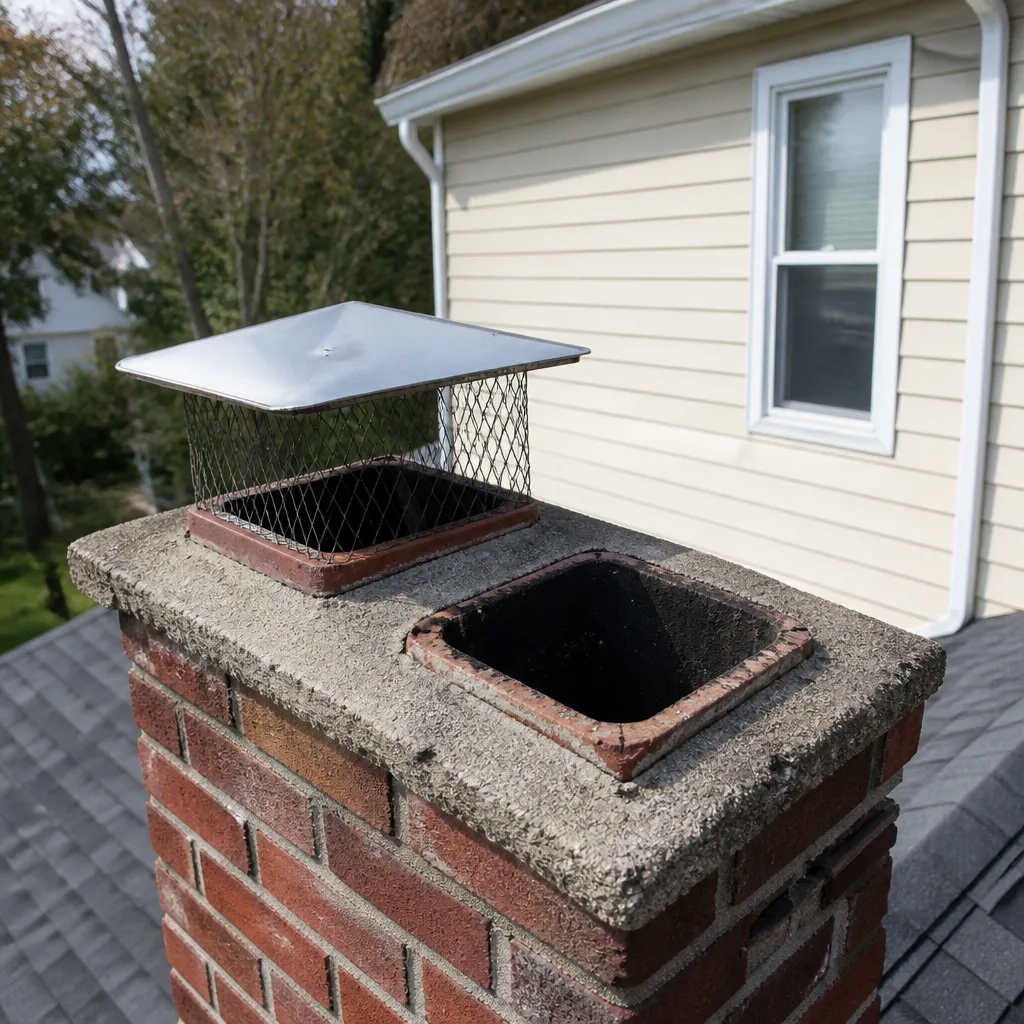
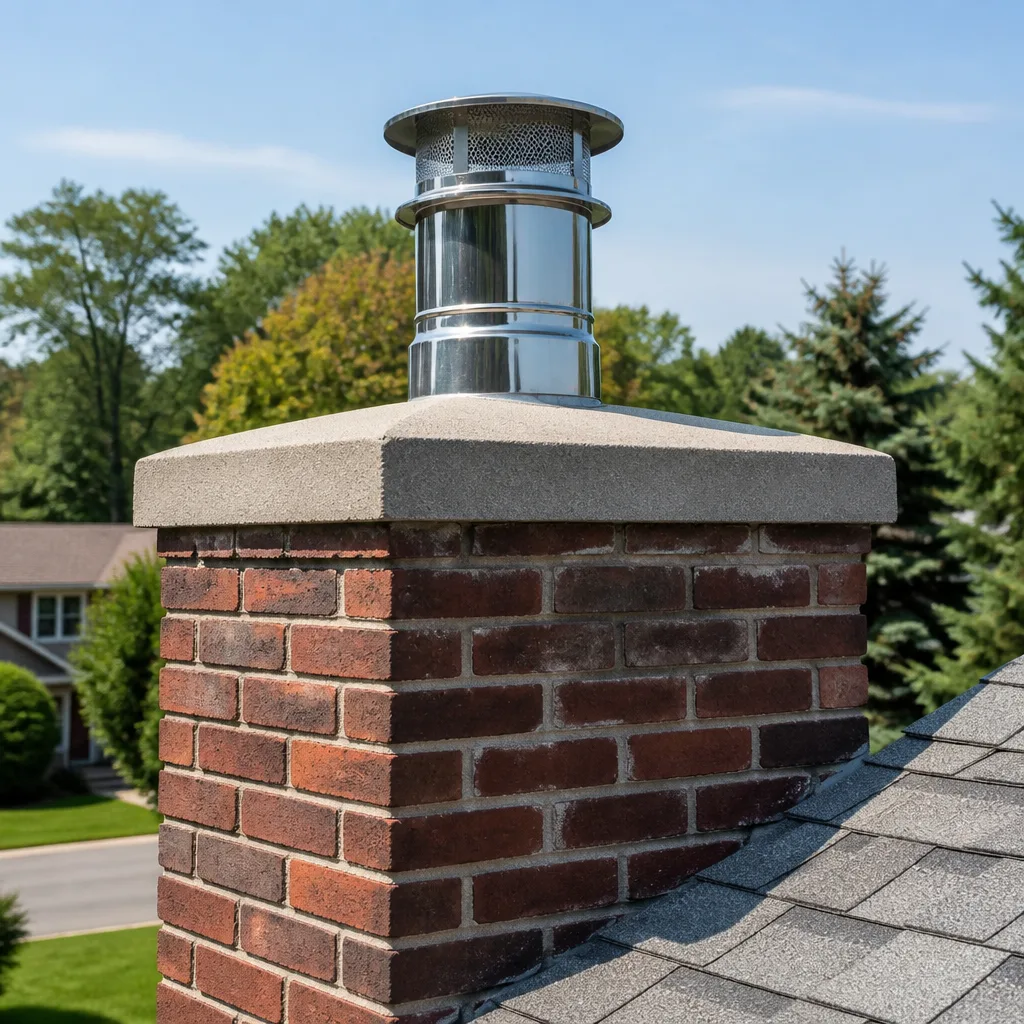
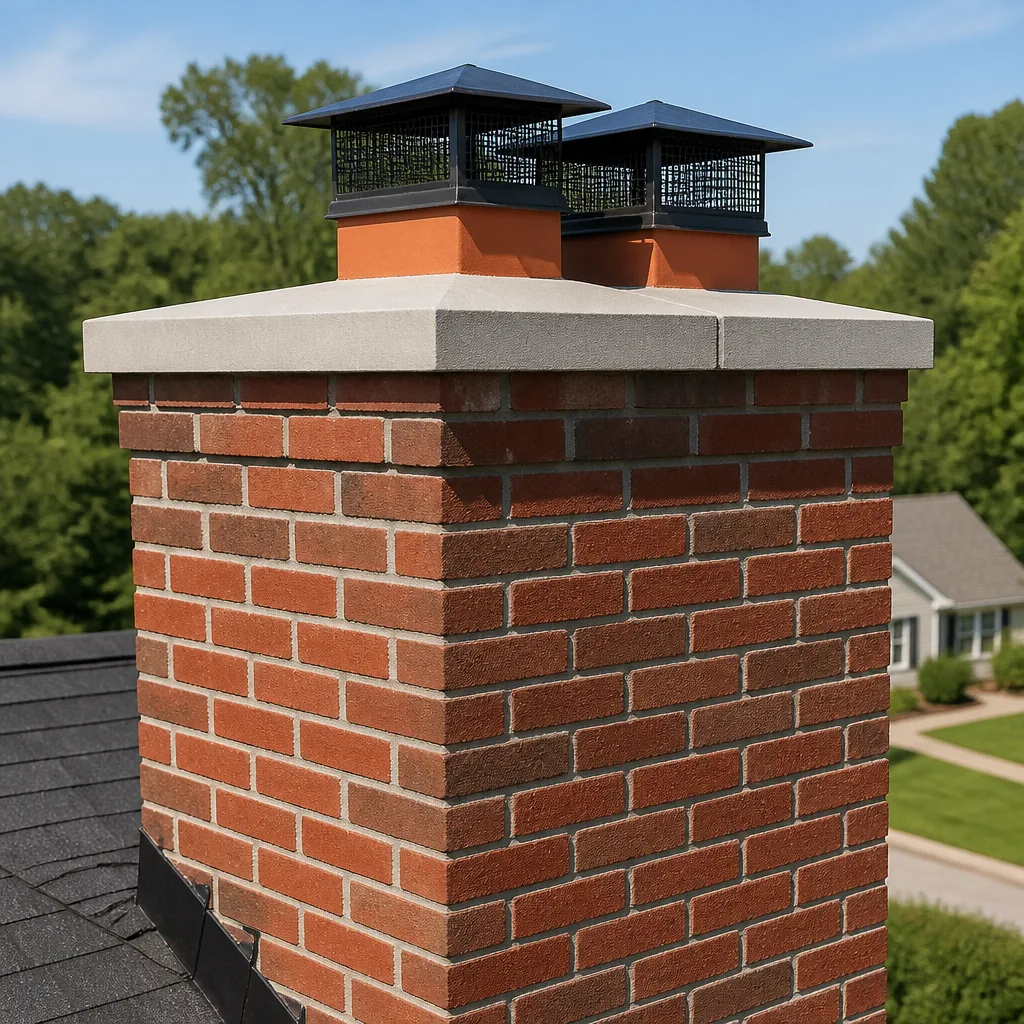 Caps & crowns
 Flue relining
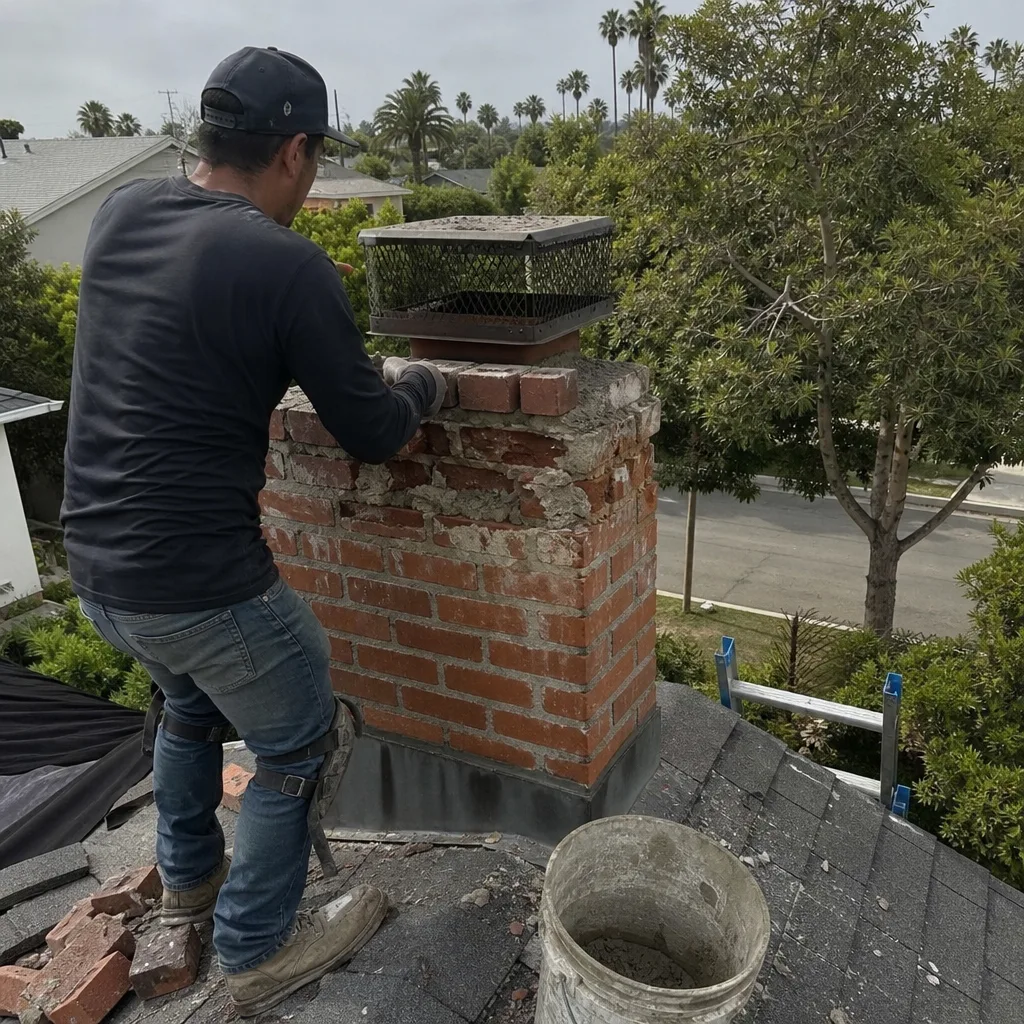
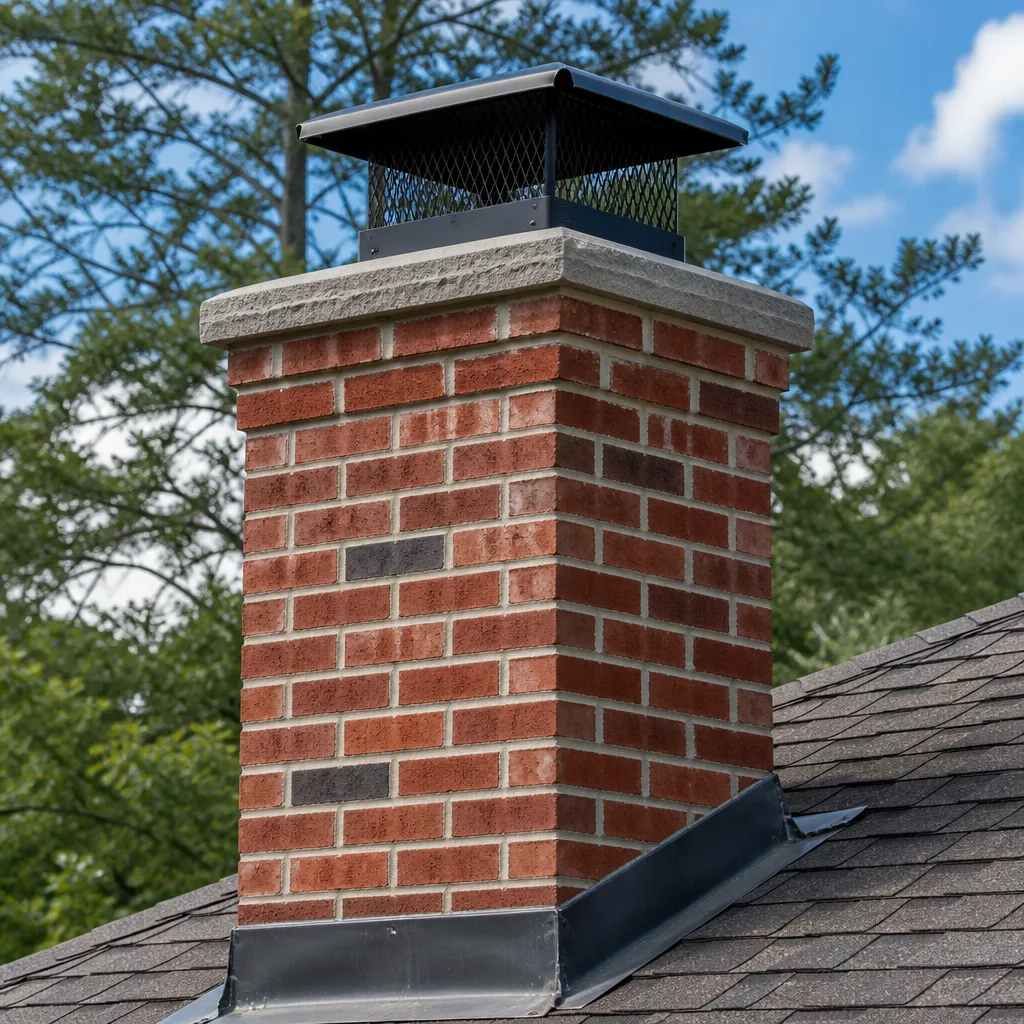 Masonry repair
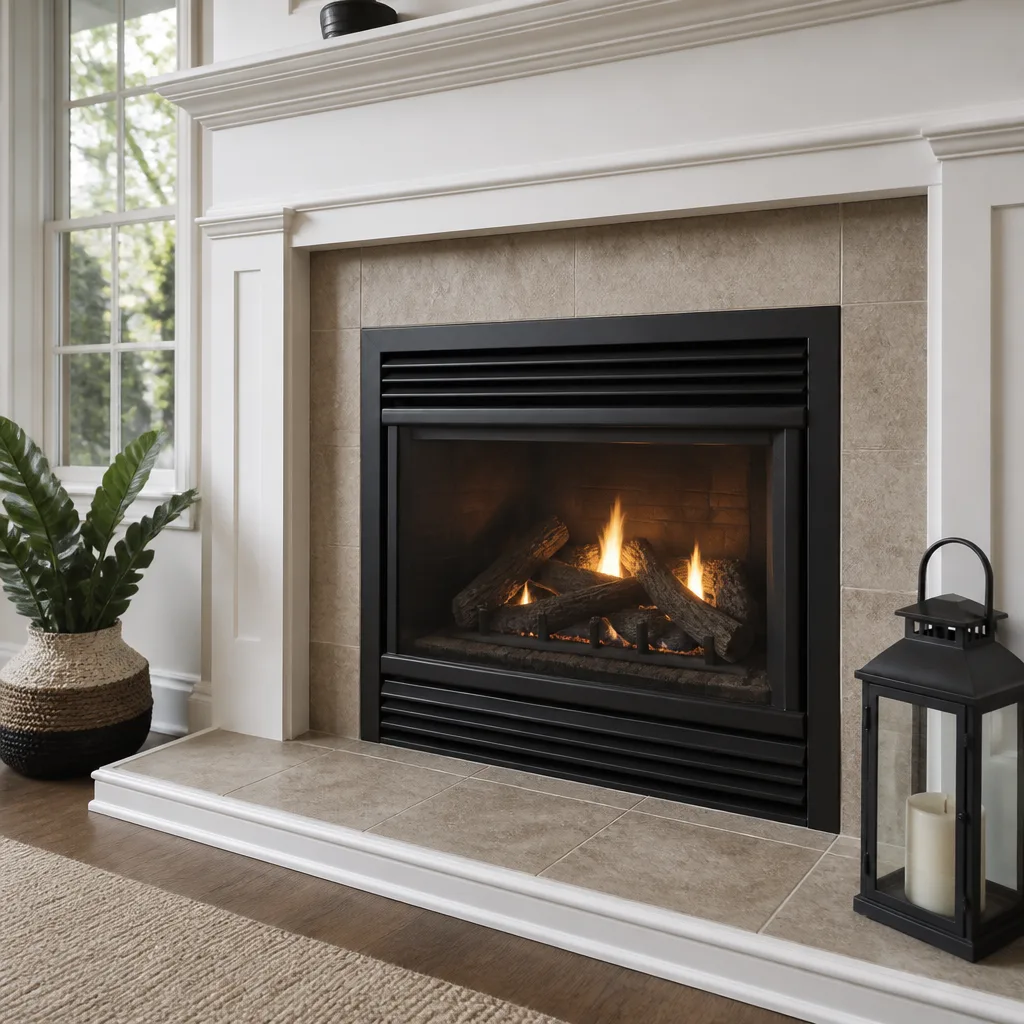 Gas fireplace service
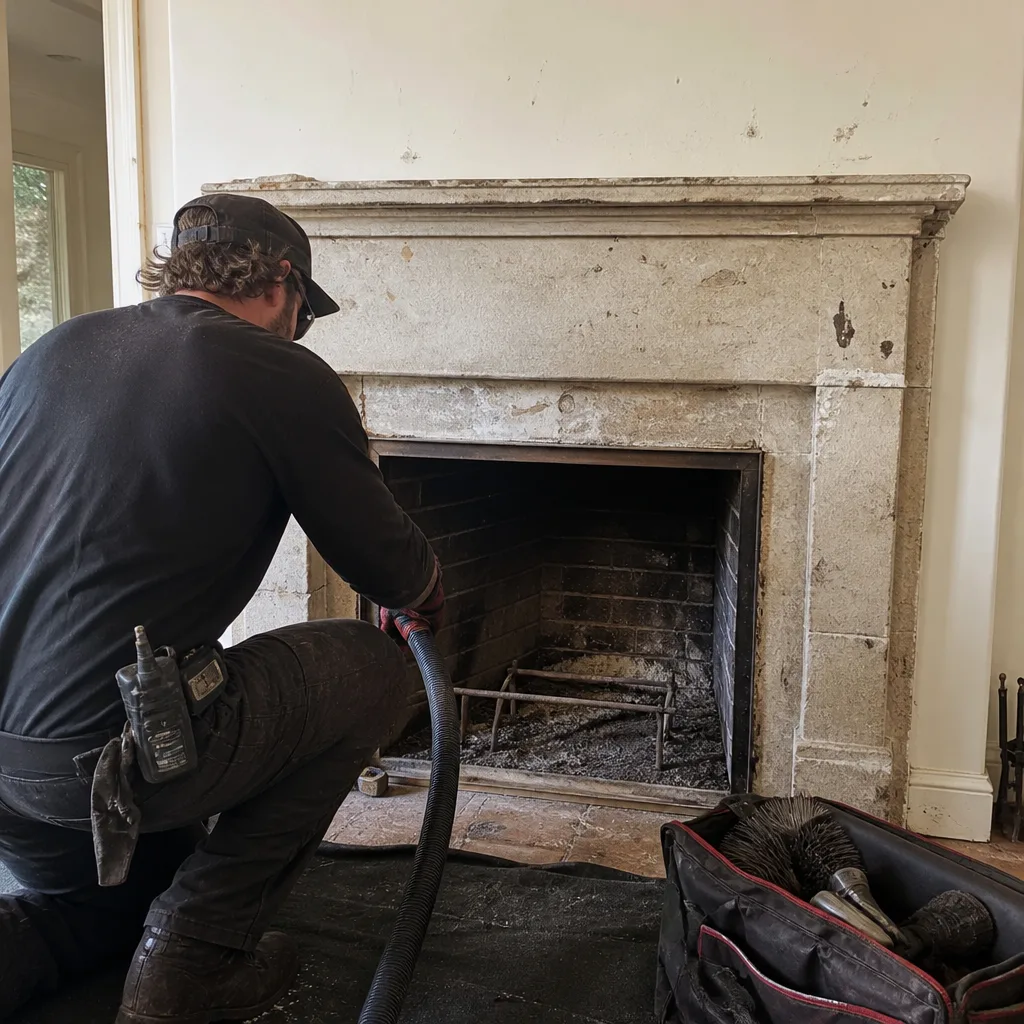
Level 1 sweep and inspection to the NFPA 211 annual standard - flue, crown, cap, and flashing checked and photographed
Chimney sweep logs do not sweep chimneys. They loosen some creosote - which then falls where a brush and vacuum still have to collect it.
Choosing the Right Chimney Cleaning Brand: A Buyer’s Guide for Santa Monica
Here’s a counterintuitive fact that surprises most Santa Monica homeowners: the brush your chimney sweep uses matters far less than what they apply after the brushing is done. The difference between a chimney that stays clean and sealed for two years versus one that needs attention again in eight months often comes down to three products most people never ask about: creosote modifiers, moisture sealants, and flue resurfacers. In this guide, we’ll walk through exactly which product categories matter, why they matter more in our coastal climate than they do inland, and how to tell whether a contractor is using professional-grade materials or whatever was cheapest at the supply house.
Styles & brands we work with
- Sweep & inspection
- Caps & crowns
- Flue relining
- Masonry repair
- Gas fireplace service
Quick Answer
Choosing the right chimney cleaning brand in Santa Monica means hiring a contractor who can name the specific products they use, explain why they selected them for your chimney type, and apply materials designed for a marine-air environment. Professional-grade brands like HeatShield, ChimneySaver, and Cre-Away outperform generic alternatives in coastal conditions, and the right product choice is different for a masonry fireplace than it is for a factory-built metal system. Ask your sweep what they apply after cleaning and why before you book.
Table of Contents
- The Four Professional Product Categories Every Homeowner Should Know
- Why Santa Monica’s Coastal Climate Changes the Product Equation
- Masonry Chimneys vs. Factory-Built Metal Systems: Not Interchangeable
- How to Test a Contractor’s Materials Literacy in 5 Questions
- What Manufacturer Warranties Actually Require
- Professional Brands Compared: HeatShield, ChimneySaver, Cre-Away, and More
- What Santa Monica Homeowners Specifically Need to Know
- Common Mistakes to Avoid
- When to Call a Professional
- Frequently Asked Questions
- The Bottom Line
The Four Professional Product Categories Every Homeowner Should Know
When we talk about chimney “products,” we’re not talking about the soap-and-water mixture a handyman sprays on your flue. We’re talking about a specific set of professional-grade materials that certified chimney technicians use to protect, restore, and maintain chimney systems. Understanding these four categories will change how you evaluate any chimney service provider in Santa Monica.
1. Flue Resurfacers: HeatShield and Ceramic Coating Systems
A flue resurfacer fills cracks, gaps, and spalled (deteriorated) mortar joints in the interior of your chimney liner. Think of it as a ceramic coating that restores the smooth, gas-tight surface your flue needs. HeatShield is the dominant professional product in this category, and it’s a proprietary system that requires manufacturer-certified application. The material is applied in a multi-coat process, and the result is a flue that meets safety standards without the cost and disruption of a full liner replacement. This matters because cracked flue tiles are how heat and combustion gases reach combustible framing. A resurfacing product like HeatShield can seal those cracks permanently when applied correctly.
2. Creosote Modifiers: Cre-Away and Professional-Grade Treatments
Creosote is the flammable residue that condenses on your flue walls when wood burns incompletely. In Santa Monica, where coastal humidity can make creosote tacky and adherent, standard brushing alone often leaves a residual layer behind. Creosote modifiers like Cre-Away work chemically. They alter the creosote’s structure, making the next burn cycle dry and flake off the residue that brushes alone can’t remove. This isn’t a shortcut. It’s a scientifically engineered product that professional chimney sweeps use to reach what mechanical brushing cannot. The alternative, scraping for an extra hour to remove partially adhered creosote, can damage older flue liners.
3. Moisture Sealants: ChimneySaver and Penetrating Repellents
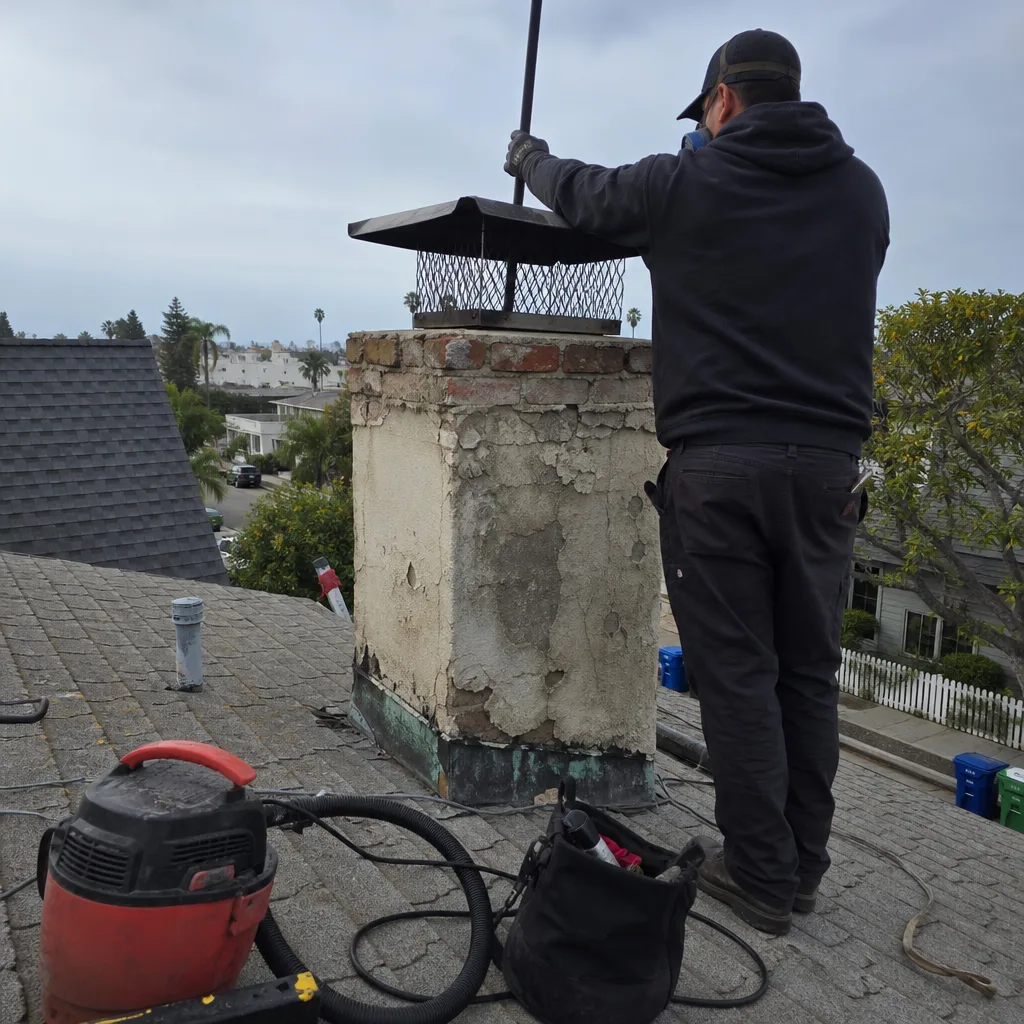
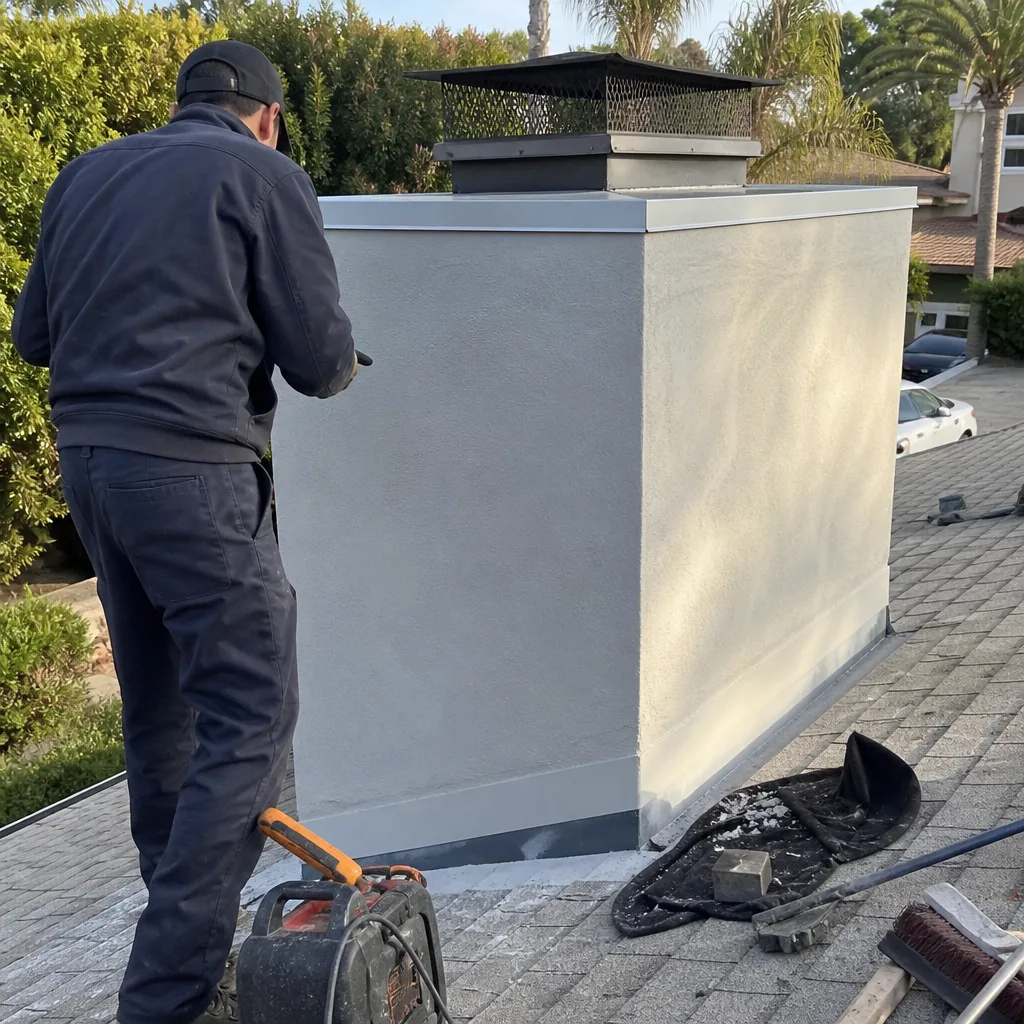
A masonry chimney is a sponge. Bricks absorb water, and when that water carries salt and minerals from the marine air in Santa Monica, it accelerates surface deterioration. ChimneySaver is a water-repellent treatment that penetrates brick and mortar and blocks moisture entry while still allowing the masonry to breathe. The product chemistry matters because a generic acrylic sealant traps moisture inside the brick, which leads to spalling and cracking during temperature swings. A vapor-permeable product like ChimneySaver is chosen specifically because it does not trap moisture.
4. Component Systems: Caps, Covers, and Venting Hardware
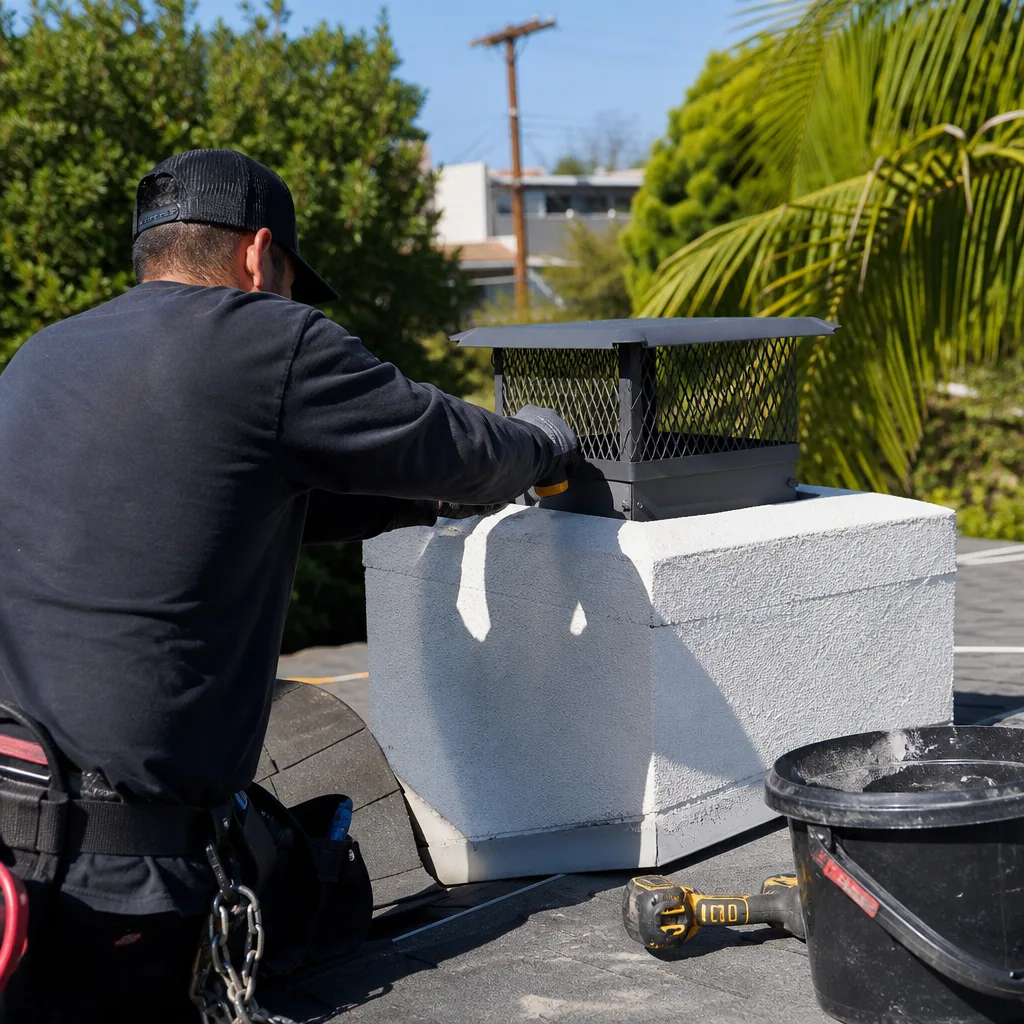
Beyond chemicals and coatings, professional chimney work involves component hardware: rain caps, chase covers, damper assemblies, and venting connectors. Brands like Gelco, Olympia Chimney, Famco, and Copperfield are the common names here, and they’re the same hardware professional installing contractors specify. A chase cover fabricated from 24-gauge galvanized steel versus a Copperfield stainless cover is a measurable quality difference. In a coastal environment, that difference becomes visible within a few years.
For a deeper look at how these components fit into a full chimney system evaluation, our Chimney Sweep in Santa Monica service page walks through the full inspection and cleaning process.
Why Santa Monica’s Coastal Climate Changes the Product Equation
Marine air is not neutral air. It carries salt, humidity, and temperature fluctuations that accelerate degradation of any building material exposed to it. For chimney systems in Santa Monica, this translates into three specific realities that change what products make sense.
Salt-laden moisture accelerates brick and mortar decay. When fog rolls in from Santa Monica Bay, it deposits fine salt particles on masonry surfaces. That salt absorbs atmospheric moisture and creates a conductive environment that breaks down the binder in mortar. A chimney that would last 30 years in Pasadena might need repointing in 15 years here without a proper sealant. But the choice of sealant matters enormously. A vapor-permeable product like ChimneySaver prevents liquid water entry while allowing trapped internal moisture to escape. A generic acrylic sealer does the opposite, and the result is spalled brick faces and cracked mortar joints within a few seasons.
Coastal humidity changes creosote behavior. Creosote in dry inland climates tends to be crusty and brittle, which makes mechanical brushing effective. In Santa Monica’s 60-80% average humidity, creosote stays gummy. It resists brushing and requires repeated passes or chemical modification to fully clear. This is why a sweep who says “we just brush it out” is leaving material behind that a Cre-Away treatment would address. The product choice is not a luxury. It’s the difference between a clean flue and a partially clean one.
Fog and marine air affect metal components faster. Rain caps, chase covers, and damper assemblies made from uncoated steel or thin-gauge aluminum will show rust and pitting in this environment within two to three years. Professional brands like Copperfield and Olympia Chimney use heavier-gauge materials and corrosion-resistant finishes that are specified for exactly this kind of exposure. If a contractor installs a generic cap from a big-box retailer, you’ll likely be buying another one before the next presidential election.
Masonry Chimneys vs. Factory-Built Metal Systems: Not Interchangeable
One of the most common product mistakes we see in Santa Monica is someone applying a material designed for one chimney type to the other. The two systems are fundamentally different, and the wrong product choice can create a fire hazard or void a manufacturer warranty.
For Masonry Chimneys (brick, stone, or block with a clay tile liner):
- Resurfacing: HeatShield is designed for clay tile and masonry flues. It bonds to the tile surface and fills cracks and gaps. It is not rated for metal liners.
- Sealants: A breathable masonry water repellent like ChimneySaver is appropriate. It penetrates brick and mortar.
- Creosote modifiers: Cre-Away works effectively on clay tile surfaces and is a standard professional tool for this system.
For Factory-Built Metal Chimneys (prefabricated systems, often found in newer Santa Monica condos and 1980s-era homes):
- Resurfacing: HeatShield is generally not applicable to metal systems. A damaged metal liner needs replacement or a different manufacturer-specified repair.
- Sealants: The exterior of a factory-built chimney should not be coated with masonry sealants. The metal chase requires proper flashing and a quality chase cover, not brick treatment.
- Creosote modifiers: Chemical additives can be used, but the manufacturer’s specifications for the appliance should be checked first. Some prefab systems have specific cleaning-only requirements.
The takeaway: any contractor who says “we treat all chimneys the same” is telling you they don’t understand the materials involved. That’s a red flag. If you’re not sure which type of chimney you have, a professional chimney inspection is the first step. Our Chimney Repair in Santa Monica service includes full system evaluation and materials-specific recommendations.
How to Test a Contractor’s Materials Literacy in 5 Questions
You don’t need a technical background to evaluate whether a chimney sweep knows their materials. Here are five questions that separate professionals from generic operators. The right answers are specific and product-aware. Vague answers are a signal to keep looking.
- “What creosote treatment do you use, and how do you decide when it’s needed?”
A materials-literate contractor names a product (like Cre-Away) and explains the application criteria: creosote stage, flue type, and accessibility. A generic answer like “we just brush it out” tells you they don’t stock or apply professional modifiers. - “What sealant do you use on masonry chimneys?”
A professional says ChimneySaver or an equivalent vapor-permeable product. They’ll mention breathability. If they say “we do waterproofing” but can’t name the product, they may be using whatever big-box sealant is cheapest. - “Can you resurface a cracked flue liner, or do you only replace?”
If a contractor only offers full liner replacement and doesn’t mention HeatShield resurfacing as an option, they either lack the training to apply it or prefer the more expensive repair. Both are legitimate concerns. HeatShield can often restore a damaged flue without full relining, and a contractor who doesn’t mention it is leaving a cost-saving option off the table. - “What brand of rain cap or chase cover do you install?”
A specific brand (Copperfield, Olympia Chimney, Famco) signals access to professional-supply distribution. “Whatever fits” or “whatever we have on the truck” signals a handyman approach. - “How does the product warranty work, and what does it require for application?”
A professional knows that HeatShield requires certified application for warranty validity. If they can’t answer this, they probably haven’t been through the manufacturer training.
These questions work because they’re specific without being adversarial. A good contractor will answer them quickly and with confidence. A generic operator will deflect. In a market like Santa Monica, where chimney work is often deferred until problems appear, the specificity of the answer matters.
What Manufacturer Warranties Actually Require
Manufacturer warranties on professional-grade chimney products are not automatic. They are conditional, and the conditions usually involve professional application by certified technicians. Understanding these requirements before you hire can protect you from paying for a product whose warranty is already void on day one.
HeatShield: HeatShield is a manufacturer-certified product. The warranty is not transferable to a homeowner directly; it flows through the certified applicator. What this means practically: if a contractor is not certified by HeatShield to apply the product, the homeowner has no warranty protection at all. Ask for proof of certification before agreeing to a resurfacing job. A contractor who can’t produce it is not authorized to apply the product.
ChimneySaver: ChimneySaver warranties vary by product line and typically require application by a professional waterproofing contractor. The key requirement is proper surface preparation. If brick is not clean and dry before application, the warranty is void. This is why “we can seal it today while we’re here” can be a red flag if the masonry was just washed or if rain is in the forecast.
DuraFlex and metal liner systems: Liner system warranties from manufacturers like DuraFlex require installation by a professional following the manufacturer’s installation manual exactly. Deviations, such as using generic connectors or improper termination caps, void the warranty. This is where using professional brand components matters. A DuraFlex liner connected to a store-brand cap is technically a non-standard installation.
The practical takeaway: a warranty is only as good as the installer’s training and adherence to spec. When you hire a chimney contractor in Santa Monica, you’re not just paying for labor. You’re paying for access to the manufacturer’s warranty network, and that access depends on certification. We work with professional-grade brands including HeatShield, DuraFlex, Gelco, Olympia Chimney, Famco, and Copperfield, and we can show you the corresponding certifications and warranty documentation for any repair we recommend.
For a complete overview of what’s involved in full-service Chimney Repair in Santa Monica, see our dedicated service page.
Professional Brands Compared: HeatShield, ChimneySaver, Cre-Away, and More
Here’s a practical comparison of the most common professional-grade products you’ll encounter in Santa Monica chimney work. This is not an exhaustive list, but it covers the materials that matter most for the decisions homeowners actually face.
HeatShield vs. Full Liner Replacement
- HeatShield: A ceramic flue resurfacing system. Restores cracked tile liners. Requires certified application. Cost is typically one-third to one-half of full replacement. Recovery time: same day or next day.
- Full Liner Replacement (e.g., DuraFlex systems): The whole liner is removed and a new one installed. Required when cracks are extensive, the tile liner is deteriorated past the point of bonding, or the chimney is being converted for a different fuel type. Cost is higher but the result is a brand-new, warrantied liner system.
The decision between these two is made during inspection, and the right answer is sometimes both if the upper flue is repairable but the lower flue is too far gone. A qualified contractor explains why they recommend one over the other.
ChimneySaver vs. Generic Masonry Sealer
- ChimneySaver: Vapor-permeable, penetrates brick and mortar, designed for masonry chimneys. Allows internal moisture to escape. Typically warrantied for 10 years when professionally applied.
- Generic acrylic sealer: Forms a surface film. Traps internal moisture. Causes spalling and cracking over time. Available at any home improvement store for under $30 a gallon.
The price difference per application is modest. The long-term difference in masonry damage is significant. In Santa Monica’s moisture-rich air, the wrong sealer causes damage rather than preventing it.
Cre-Away vs. Brush-Only Cleaning
- Cre-Away: A creosote modifier applied after mechanical brushing. Changes the chemistry of residual creosote so it flakes off during subsequent burns. Particularly effective in humid coastal climates where creosote remains tacky. Professional-grade product used by certified sweeps.
- Brush-only cleaning: Mechanical removal of what the brush can reach and dislodge. Leaves residual creosote in hard-to-reach areas and on rough liner surfaces. Adequate for light, dry creosote; incomplete for the gummy deposits common in Santa Monica.
For chimney repairs and installations using these professional product lines, see our Chimney Repair in Santa Monica page for full details.
What Santa Monica Homeowners Specifically Need to Know
Santa Monica’s housing stock is diverse: 1920s Spanish-style bungalows with original masonry chimneys, 1960s ranch homes with newer inserts, and multi-unit buildings with factory-built systems. The product choices that matter differ for each, and local building codes add another layer of consideration.
Older masonry chimneys (pre-1950): These homes, common in the neighborhoods north of Wilshire and in Sunset Park, often have unlined or clay-tile-lined chimneys. Many have been through decades of Santa Monica fog and marine exposure. A HeatShield resurfacing is frequently the most cost-effective way to bring these systems back to safe condition without the expense of full relining. The key property of HeatShield in these applications is its ability to bond to older clay tile surfaces and fill the spalled areas where tiles have begun to deteriorate.
Mid-century and newer homes with prefab systems: Metal factory-built chimneys are common in the Ocean Park and Santa Monica Canyon pockets. These systems don’t take HeatShield, and they need different maintenance. The products that matter are high-quality rain caps and chase covers (Copperfield, Olympia Chimney), which protect the metal chase from marine-air corrosion. A chase cover that fits poorly or is under-gauged will leak, and once moisture gets into a prefab chase, the firestop material inside deteriorates quickly.
The rental and condo market around downtown Santa Monica: In multi-unit buildings, the decision-maker is often an HOA or property manager. The product question for these clients is usually about warranty documentation and insurance compliance. Professional-grade products with manufacturer warranties (HeatShield, ChimneySaver) provide documentation that generic materials don’t, and that matters when a building owner needs to show proof of professional maintenance.
What’s consistent across all these property types: Santa Monica’s coastal environment means that moisture protection and corrosion resistance are primary concerns, not secondary ones. The products your chimney contractor uses on a home three miles from the beach in West LA may be adequate there and completely wrong for a home three blocks from the ocean in Santa Monica. Geography changes the material calculus.
Common Mistakes to Avoid
- Choosing a sweep based only on price. The lowest bid is frequently a brush-and-go service that doesn’t apply creosote modifiers or offer sealants. You get what you pay for, and in chimney work, the invisible difference shows up later as a safety issue or a repeat service call.
- Assuming any sealant works in a coastal environment. A generic acrylic sealer traps moisture inside brick. In Santa Monica’s marine air, that means accelerated spalling and mortar deterioration, not protection. Ask specifically for a vapor-permeable product like ChimneySaver.
- Treating a factory-built chimney like a masonry one. Applying masonry sealants to a metal chase or recommending HeatShield for a prefab system shows a fundamental misunderstanding of chimney types. If your contractor doesn’t ask what type of system you have, they’re the wrong contractor.
- Ignoring the warranty documentation. HeatShield and other professional product warranties require certified application. If you can’t get proof of certification before the work begins, assume the warranty will not be honored.
- Deferring creosote treatment in humid months. The gummy creosote we see in Santa Monica chimneys doesn’t dry out on its own. Waiting another year means a thicker, harder-to-remove deposit and a higher fire risk during burning season.
- Assuming chimney cleaning and dryer vent cleaning are separate trades. Both are combustion exhaust systems, and both are leading household fire risks. A company that handles both (Dryer Vent Cleaning in Santa Monica) saves you a second service call and applies the same product-specification discipline to each system.
When to Call a Professional
You should call a professional chimney contractor in Santa Monica when you notice any of these conditions: a strong creosote or smoke odor when the fireplace is not in use, visible cracks or spalling on the chimney exterior, water staining on the ceiling near the chimney chase, or a fireplace that smokes back into the room. You should also schedule a professional inspection if you’ve purchased a home with a fireplace and no record of recent service, or if it’s been more than two years since the last cleaning.
Do not attempt to apply HeatShield, ChimneySaver, or any creosote treatment yourself. These are professional-grade products with specific application requirements. HeatShield requires certified training. ChimneySaver requires proper surface preparation. Cre-Away requires understanding of creosote staging and flue conditions. The cost of professional application is far less than the cost of correcting a botched DIY attempt. Steadfast Chimney Sweep offers free estimates in Santa Monica. Call (833) 593-2844 to schedule an inspection and get a full materials-specific recommendation for your chimney system.
Frequently Asked Questions
A standard chimney sweep and inspection in Santa Monica typically runs between $180 and $350 depending on the chimney type, accessibility, and whether creosote treatment is required. Factory-built metal systems are often at the lower end of that range while older masonry chimneys with heavy creosote deposits may be at the higher end. Call (833) 593-2844 for a specific quote, estimates are free.
HeatShield is a ceramic flue resurfacing product that fills cracks and gaps in clay tile chimney liners. It’s the right choice when the liner has minor to moderate cracking and the structure is otherwise sound, because it restores the flue without the cost of full replacement. It’s not applicable to factory-built metal systems, and it requires a manufacturer-certified applicator for warranty protection.
Yes, especially if your chimney is brick or stone and you live within a few miles of the ocean. Marine moisture and salt accelerate masonry deterioration, and a vapor-permeable sealant like ChimneySaver prevents water entry while allowing internal moisture to escape. The sealant is a fraction of the cost of repointing or rebuilding a deteriorated chimney crown, and it should be applied as part of a professional maintenance cycle.
The National Fire Protection Association recommends annual inspection and cleaning as needed. In Santa Monica’s coastal humidity, creosote remains gummy and adherent, which means cleaning may be needed more frequently than in drier inland climates. If you use your fireplace more than three times a week during burning season, schedule cleaning at least once per year, and consider a creosote modifier like Cre-Away as part of the service.
Yes. Gas fireplaces don’t produce creosote, but they do produce acidic combustion byproducts that can corrode metal venting systems over time. The cleaning process focuses on checking the venting integrity, inspecting the connection points, and verifying that the termination cap is clear. The product considerations are different too: corrosion-resistant components (like quality caps from Copperfield or Olympia Chimney) matter more than creosote treatments.
A certified chimney sweep can often repair a cracked clay tile liner using HeatShield resurfacing, which avoids the cost and disruption of full liner replacement. The decision depends on the extent of the damage, and the right contractor will show you camera inspection footage that makes the condition of the liner visible before recommending either option. Nothing should be recommended without visual evidence you can review yourself.
The Bottom Line
Most Santa Monica homeowners don’t know they have a say in which products go into their chimney, but the product choice is the single biggest variable in how long a chimney system stays safe and functional. Professional-grade materials like HeatShield for flue resurfacing, ChimneySaver for moisture protection, and Cre-Away for creosote treatment outperform generic alternatives in measurable, lasting ways, especially in our coastal climate. The most important question you can ask any chimney contractor is not “how much?” but “what exactly will you use, and why?” A contractor who names products, explains the application, and supplies warranty documentation is operating at a professional level. One who can’t is not. If you’re ready to get a materials-specific assessment of your chimney system, call Steadfast Chimney Sweep home at (833) 593-2844 or visit our Chimney Sweep in Santa Monica page to schedule an inspection.
Written by the team at Steadfast Chimney Sweep, serving Santa Monica since 2015.
See the difference
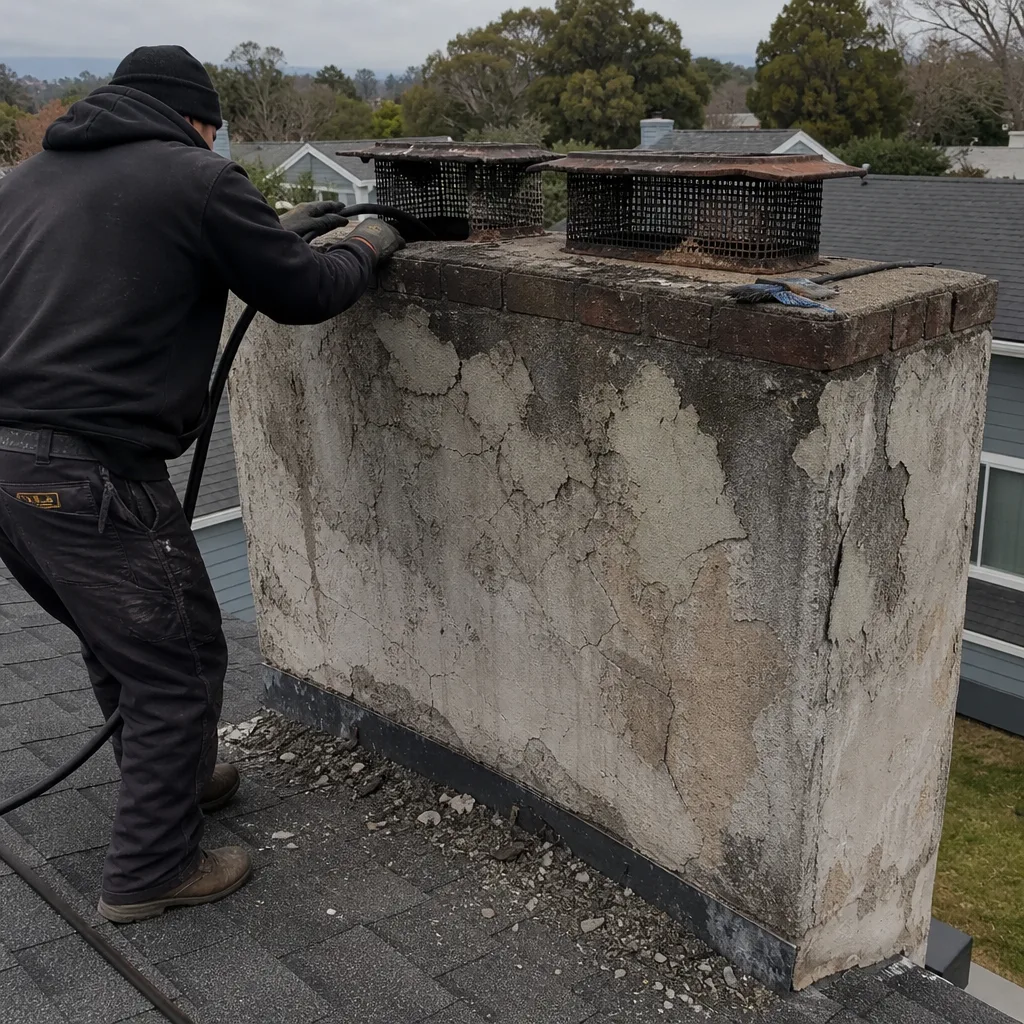 Before
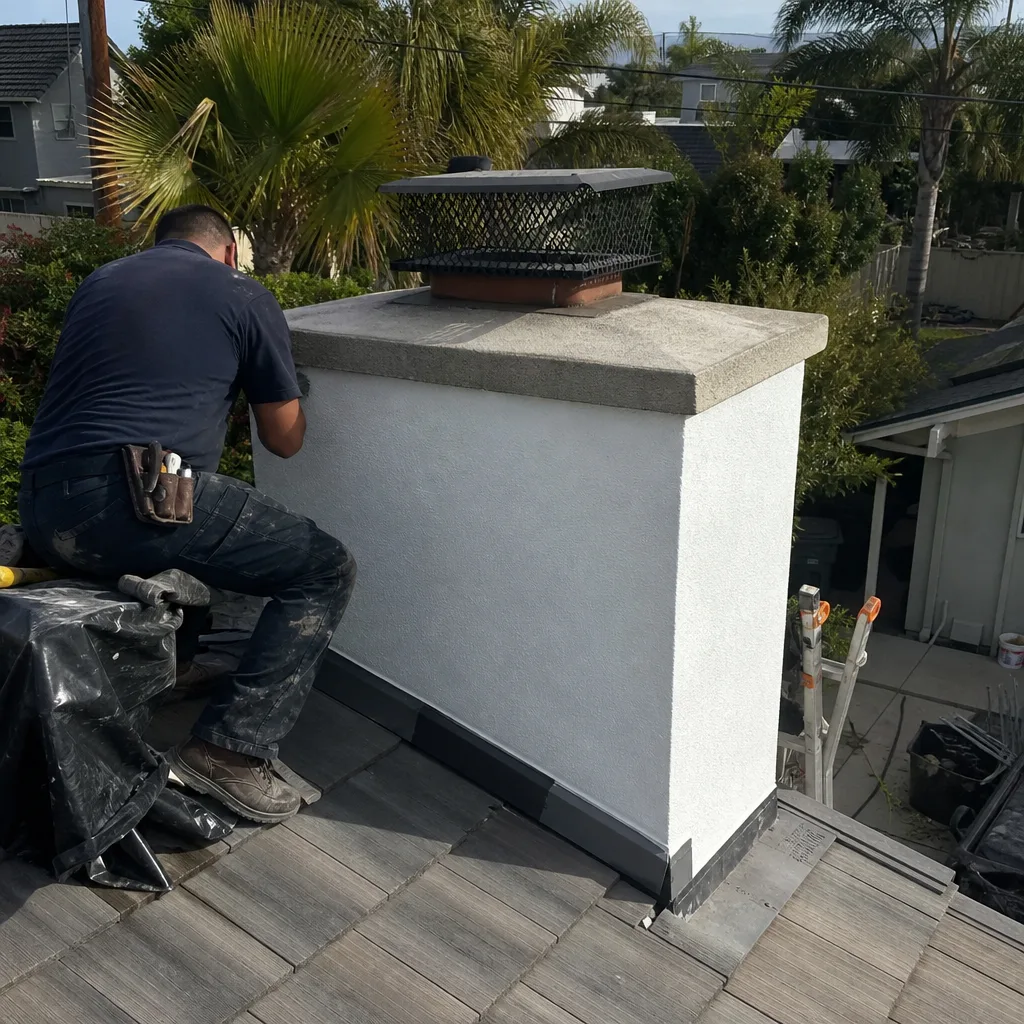 After
 Before
 After
 Before
 After