
Last updated November 2, 2026
 Sweep & inspection
 Caps & crowns
 Flue relining
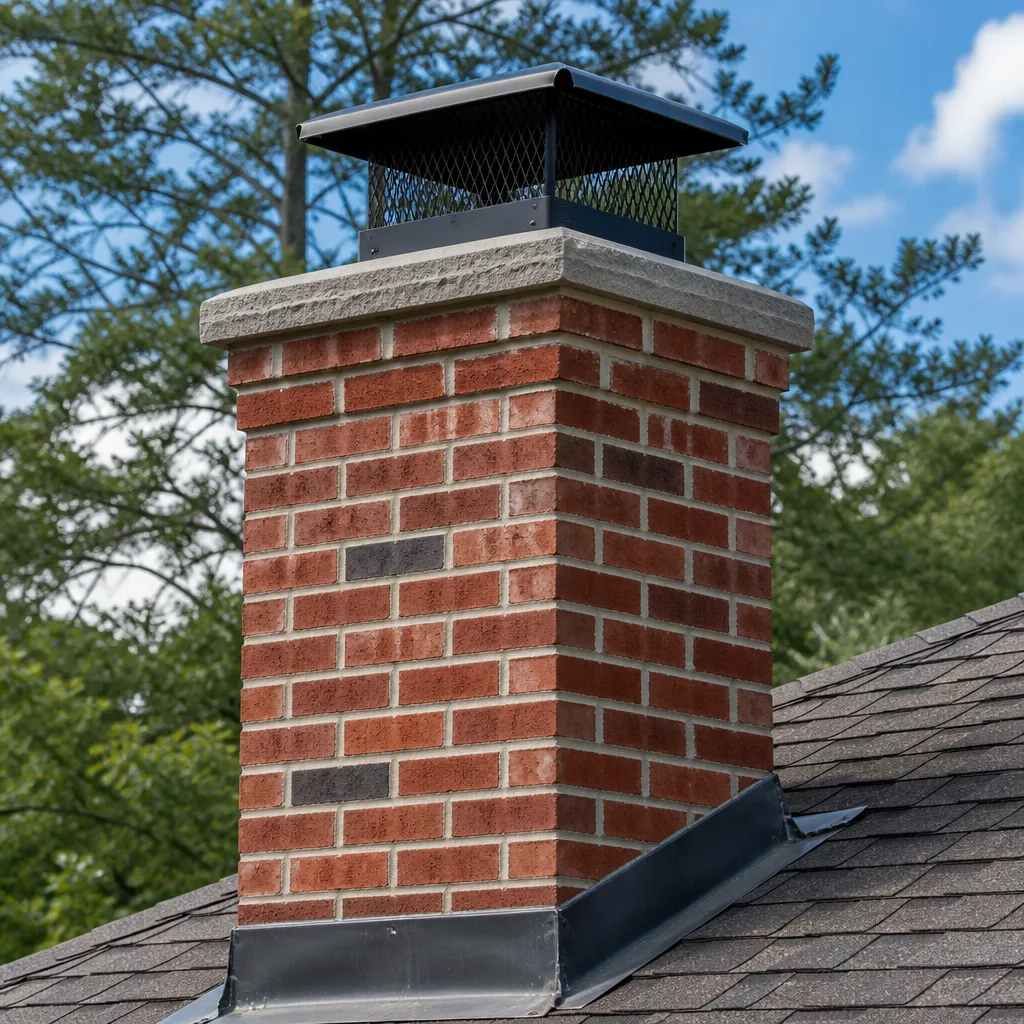 Masonry repair
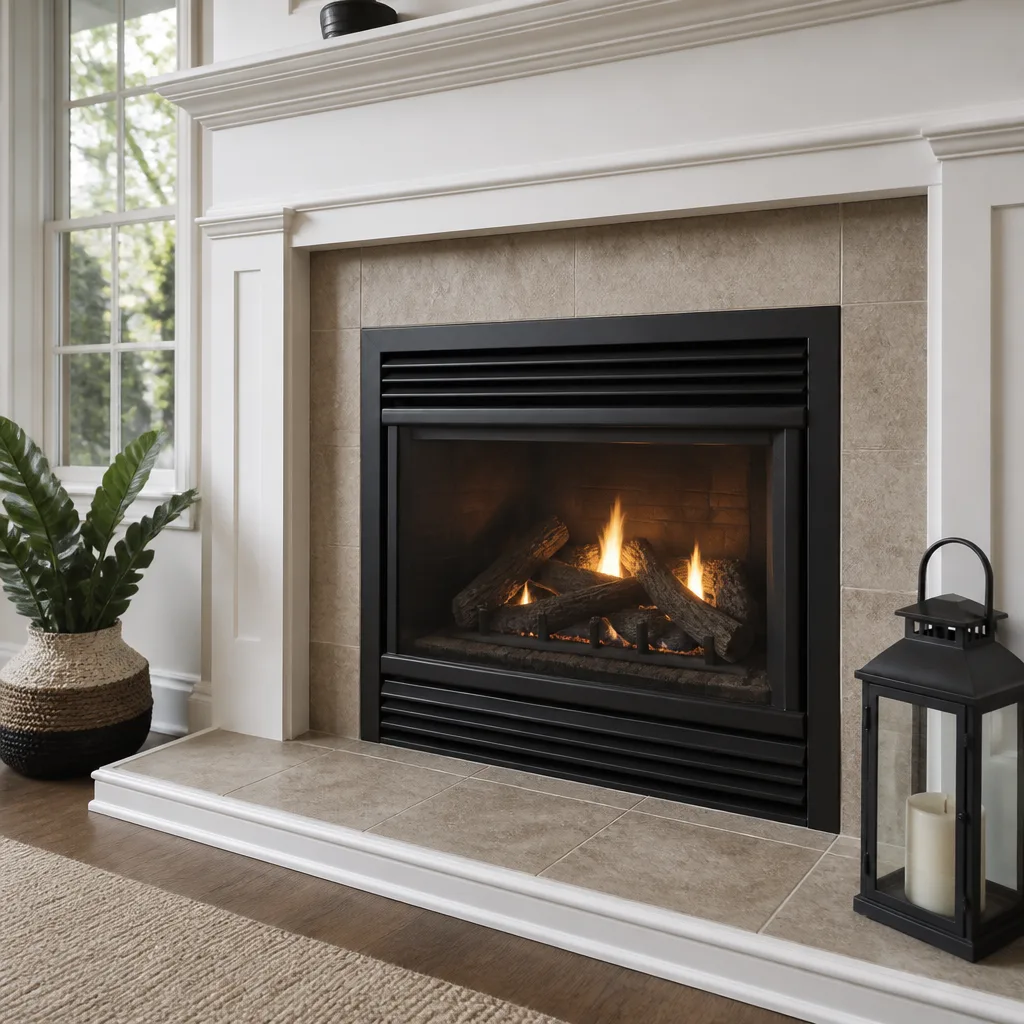 Gas fireplace service
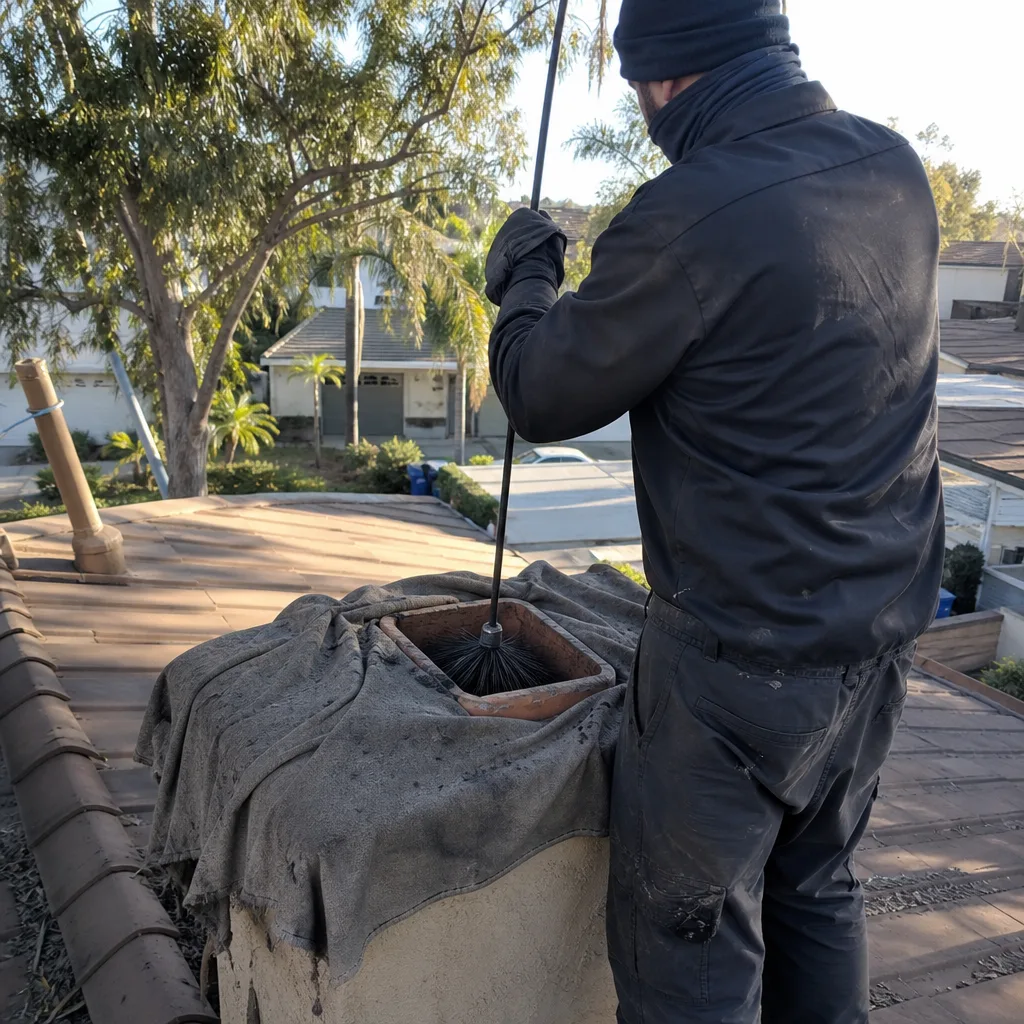
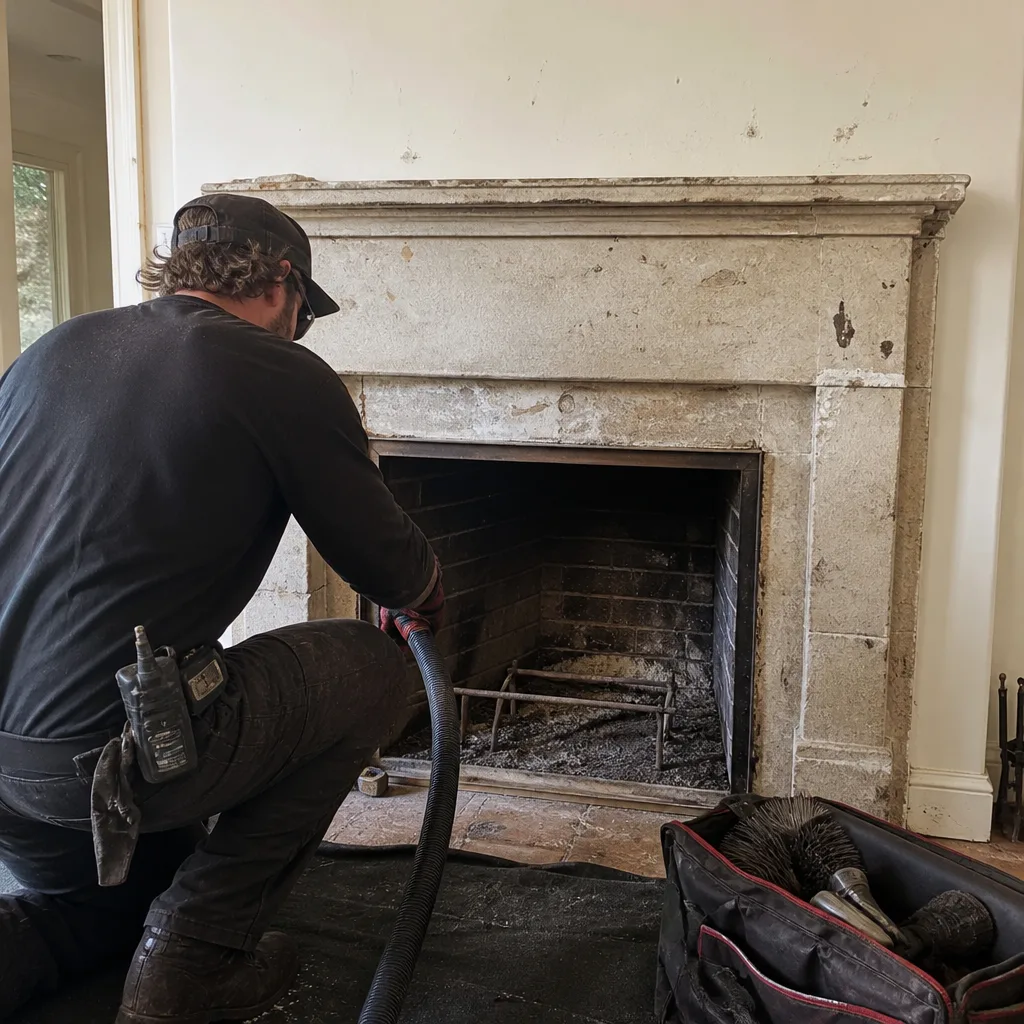
Level 1 sweep and inspection to the NFPA 211 annual standard - flue, crown, cap, and flashing checked and photographed
Chimney sweep logs do not sweep chimneys. They loosen some creosote - which then falls where a brush and vacuum still have to collect it.
DIY vs Professional Chimney Cleaning: The Santa Monica Homeowner’s Decision Guide
Chimney cleaning brushes are sold at hardware stores for a reason. The physical act of scrubbing a flue is learnable. What isn’t learnable from a YouTube video is knowing whether the flue you just brushed has a hairline crack that will channel heat into your wall framing. This guide walks through exactly where the line sits for Santa Monica homeowners: what a careful person can safely do, what genuinely requires a trained technician, and why the difference matters more in a coastal microclimate than the big-box store aisle will tell you. For more guides & resources on keeping your chimney safe, see our blog.
Styles & brands we work with
- Sweep & inspection
- Caps & crowns
- Flue relining
- Masonry repair
- Gas fireplace service
Quick Answer
For most Santa Monica homeowners, DIY chimney maintenance should stop at visual inspection and light smoke-shelf clearing. A full sweep and safety assessment requires professional equipment, including CCTV cameras and rotary cleaning systems, because a clean-looking flue can still hide the liner damage that causes chimney fires. If your chimney was last professionally inspected more than two years ago, or if you burn wood more than twice a month, schedule a professional cleaning before attempting any self-service work. Not sure where to start? Read our guide on How to Hire a Chimney Cleaning Contractor in Santa Monica: A Step-by-Step Guide.
Table of Contents
- What DIY Chimney Cleaning Actually Involves
- The Santa Monica Factor: Marine Air and Hillside Access
- What Homeowners Can Safely Do Themselves
- What Requires Professional Equipment
- The Diagnostic Gap: Why a Clean Flue Isn’t a Safe Flue
- California Liability and Insurance Implications
- Decision Matrix: When to DIY and When to Hire
- Common Mistakes to Avoid
- When to Call a Professional
- Frequently Asked Questions
- The Bottom Line
What DIY Chimney Cleaning Actually Involves
The honest truth is that basic chimney sweeping is not rocket science. It’s physical, repetitive labor: running a wire or poly brush up and down the flue, collecting the loosened creosote and soot, vacuuming it out, and disposing of it. Thousands of homeowners do this every year without incident. The National Fire Protection Association’s recommendation is a simple annual inspection and cleaning as needed, and there’s no law in California that says a licensed technician must be the one holding the brush.
But here’s what the hardware store doesn’t put on the packaging: a residential chimney system has roughly a dozen failure points, and only two or three of them are visible from the firebox. The flue liner runs through the interior of your home, behind your walls. The smoke chamber sits above the damper, a curved transition area that requires specialized brushes and often a mirror or camera to see. The chimney crown, cap, flashing, and masonry are all exposed to Santa Monica’s salt air year-round, and each one is a potential entry point for moisture or a pathway for heat.
When a homeowner brushes their own flue, they’re removing the combustible deposits from the one surface they can reach. They’re not assessing whether the flue tiles have separated, whether the crown has a hairline crack opening up to rain, whether the smoke chamber has accumulated creosote in its upper corners, or whether the flashing has pulled away from the roofline. Those are the conditions that actually cause chimney fires and smoke damage, and they’re invisible without the diagnostic tools a professional carries by default. We’ve repaired Santa Monica chimneys that looked spotless from the firebox and were dangerously compromised three feet up.
This isn’t a lecture against self-reliance. It’s a straightforward accounting of where the risk actually lives.
The Santa Monica Factor: Marine Air and Hillside Access
Santa Monica has a specific chimney problem that inland cities don’t face, and it shapes the DIY calculation. The constant presence of marine moisture and salt in the air accelerates corrosion on every metal component of a chimney system. Stainless steel liners, dampers, flashing, and caps that would last 20 years in Burbank or Culver City may show pitting and thinning after 10 or 12 years just a few blocks from the ocean, especially in neighborhoods like Sunset Park or the streets north of Montana where the marine layer sits thickest in June.
More critically, that corrosion is often invisible from the firebox. A stainless liner can look intact from below while the upper sections, exposed to the brunt of the salt air, have developed micro-perforations and thin spots. A homeowner brushing that flue sees black deposits come off and assumes the job is done. The heat stress that follows the next time they build a fire is now channeled through weakened metal, not contained by it.
The second Santa Monica-specific factor is access. A substantial number of homes in this city are built on hillsides, with rooftops that are either steep-pitched or at second-story height or higher. The classic DIY chimney cleaning kit assumes you’ll be working from the roof, dropping the brush down from the top. On a single-story flat-lot home in the Pico neighborhood, that’s manageable for a reasonably handy person. On a hillside lot in Santa Monica Canyon or off San Vicente, the roof itself is a safety hazard. We’ve seen homeowners on extension ladders reaching past their safe working angle to access a chimney cap, and that is the moment a $200 savings becomes a medical bill.
If your chimney can only be accessed by ladder work on a sloped lot, that’s not a place to learn as you go.
What Homeowners Can Safely Do Themselves
There’s a real, useful role for the informed homeowner between professional visits. None of these tasks require specialized equipment, and all of them build the habit of noticing changes early. Here’s what we tell Santa Monica homeowners they can absolutely handle:
1. Cap and Crown Visual Check (From the Ground)
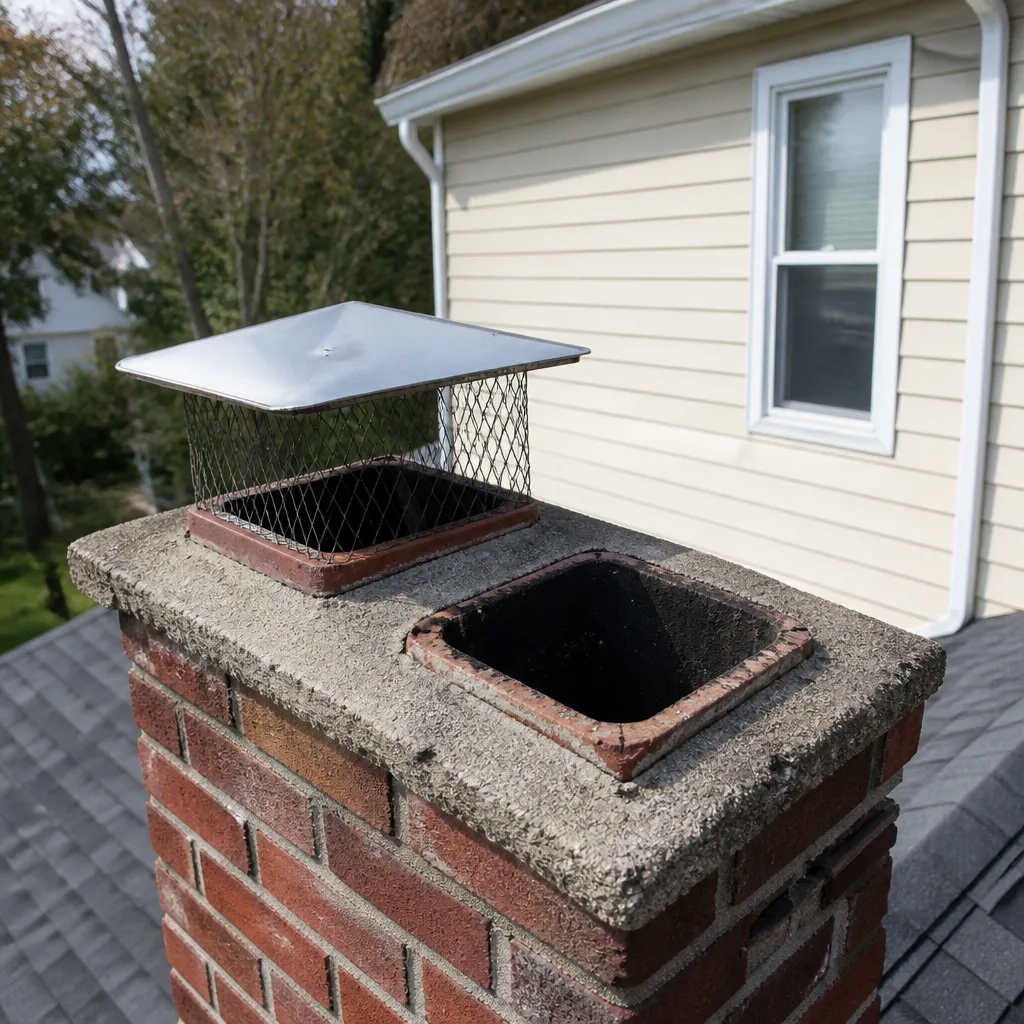
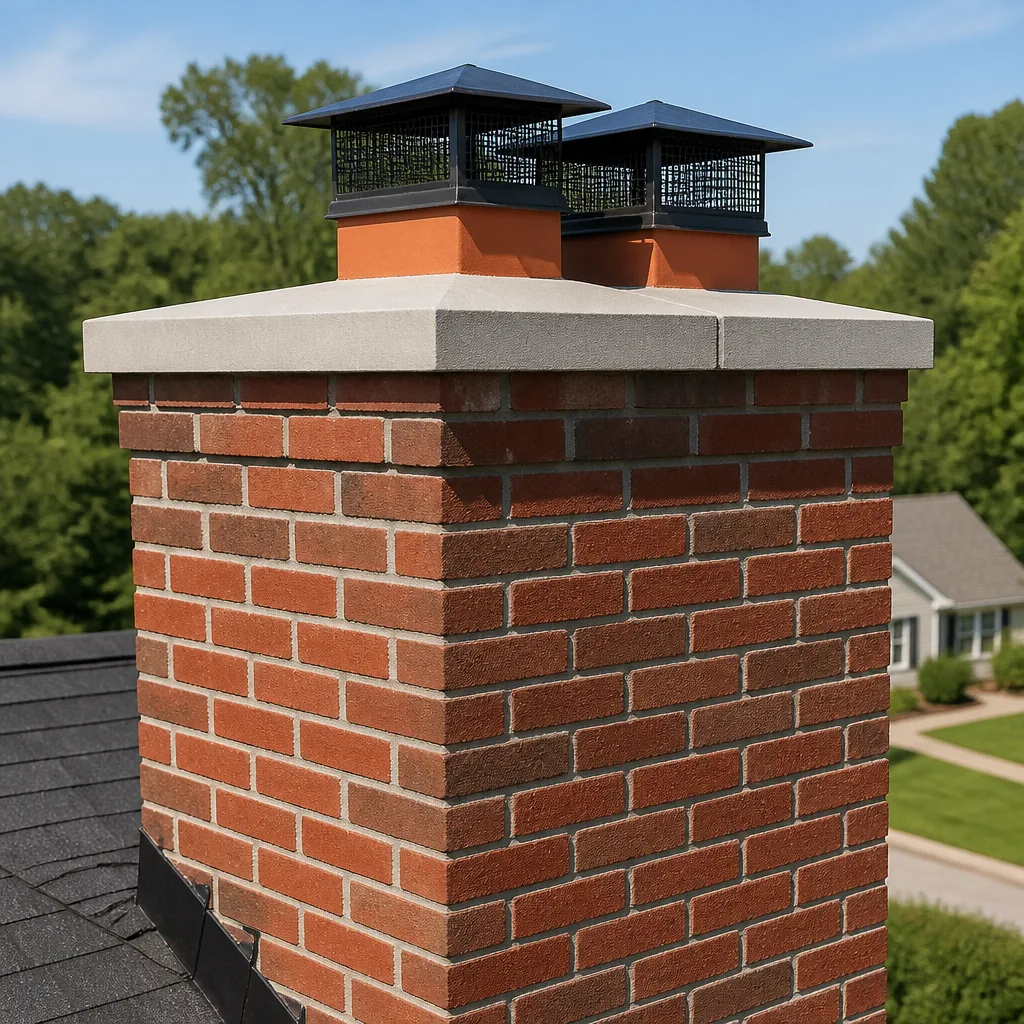
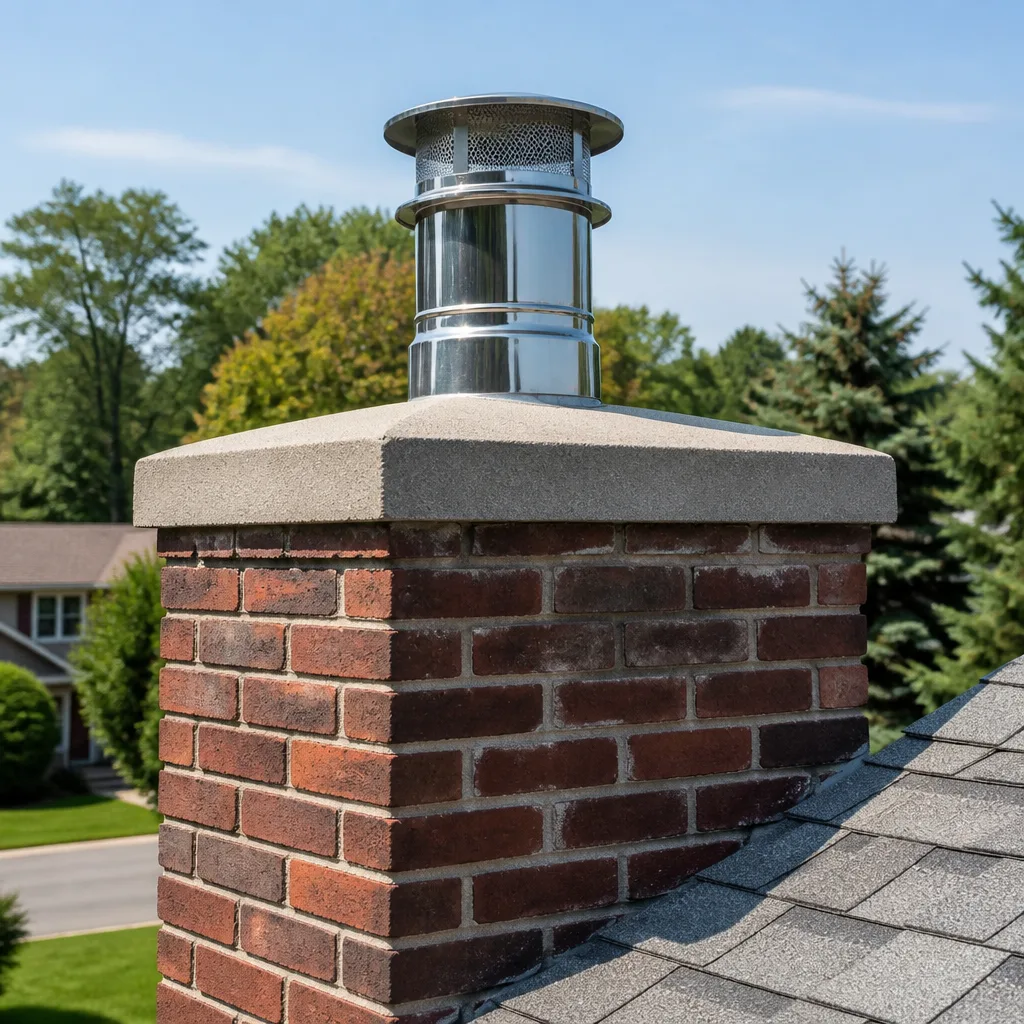
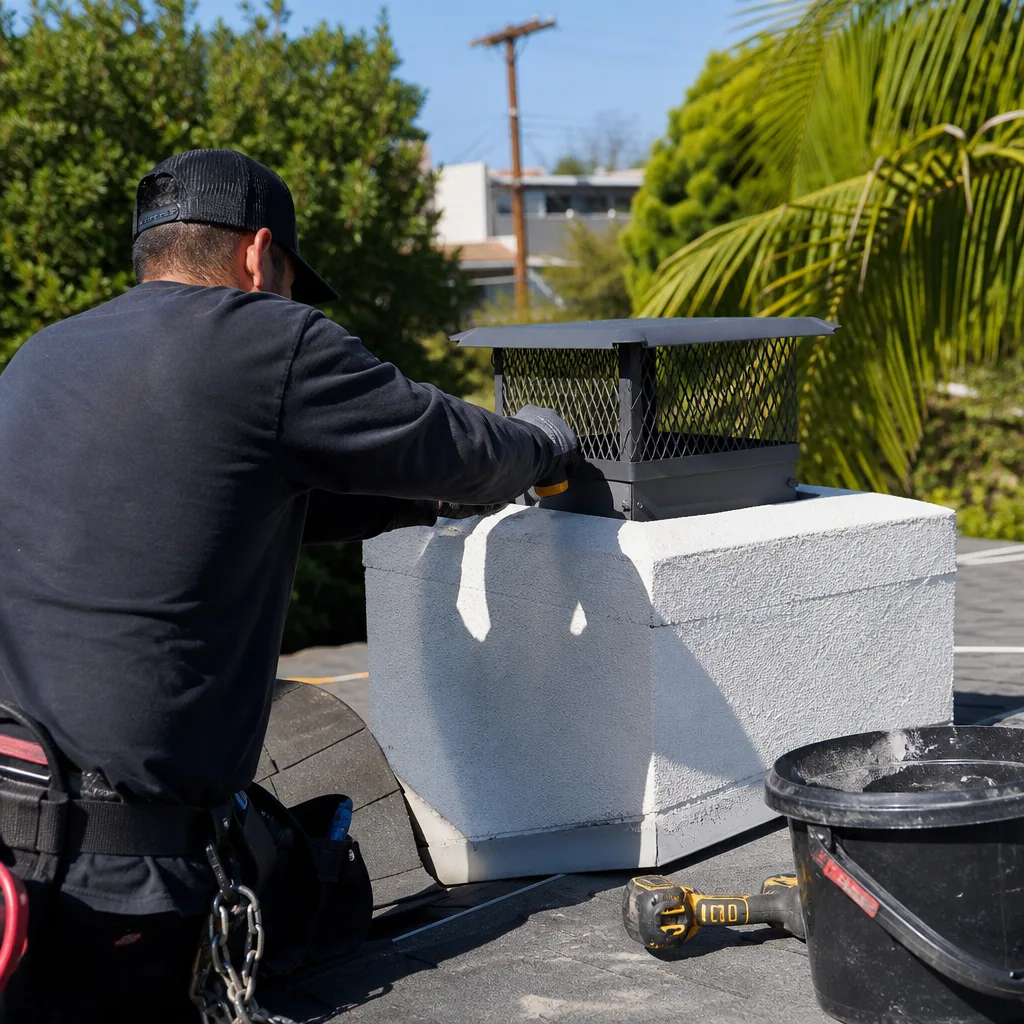
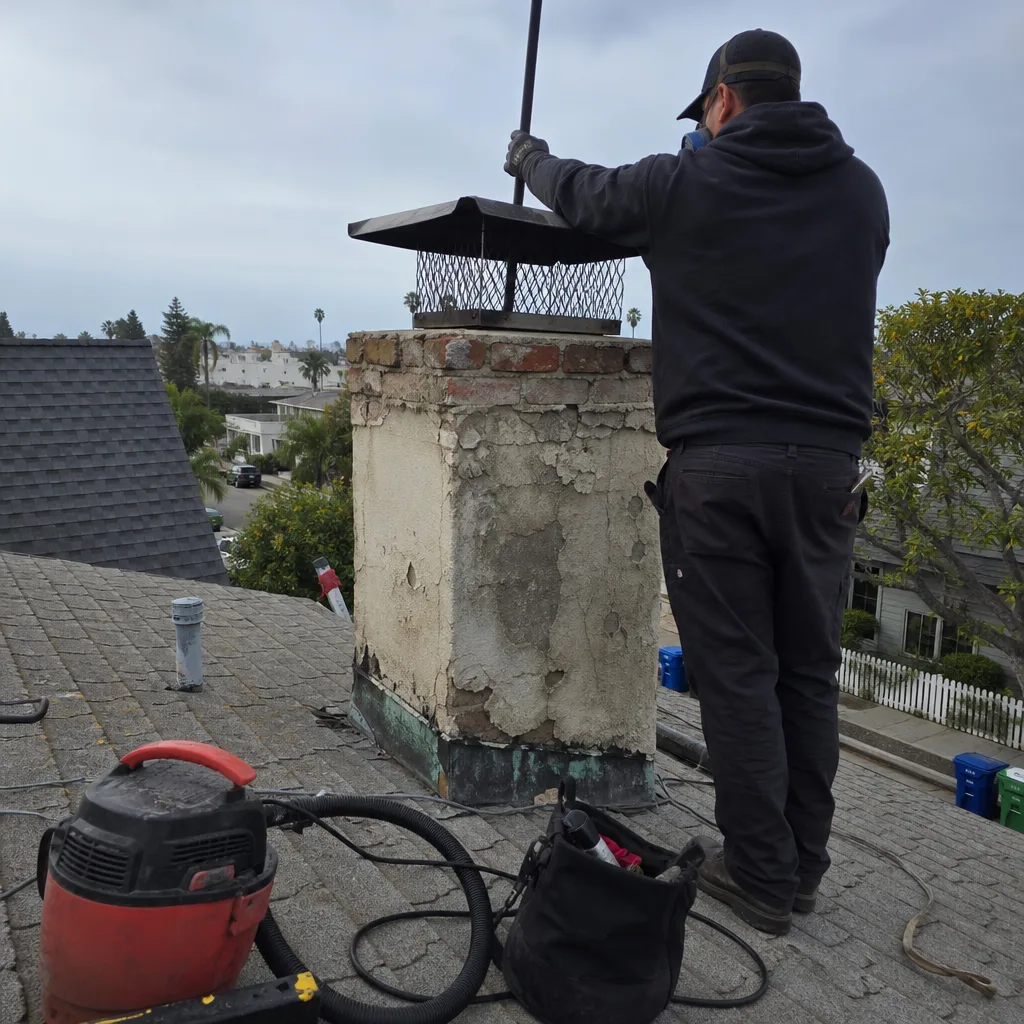
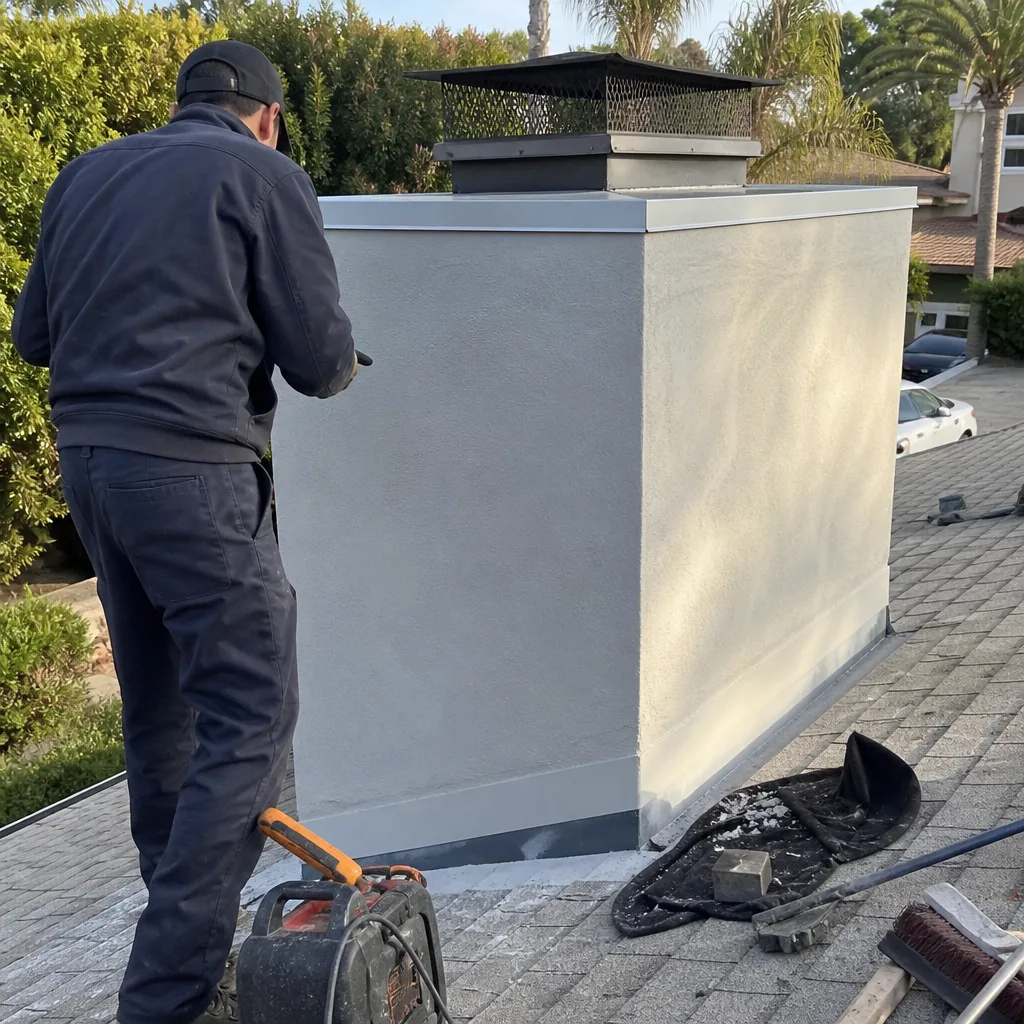
Stand back from your house with a pair of binoculars on a clear morning. Look at the chimney cap. Is it still seated squarely on the flue? Is there visible rust staining? Is the crown, the concrete slab at the top of the chimney, showing cracks or spalling? Santa Monica’s salt air accelerates crown deterioration, and a cracked crown lets rainwater into the chimney structure, which then migrates into your walls. If you spot cracks wider than a credit card, make a note and call a professional.
2. Damper Operation Test
Open the damper fully and close it again. It should move smoothly without grinding or sticking. Rusted dampers are common in coastal homes, and a damper that won’t close is an energy leak while the fireplace isn’t in use. If it’s stiff, wire brush the visible mechanism lightly and test again. If it’s rusted through or won’t seal, that’s a repair item.
3. Firebox and Smoke Shelf Visual Check
With a flashlight, look up from the firebox. You should see the damper, and above it, the smoke shelf, a flat ledge where debris and creosote collect. If you see obvious accumulation of black, flaky material more than 1/8 inch thick, that’s a sign the flue needs attention. You can carefully remove loose debris from the smoke shelf with a gloved hand and a small brush. Do not attempt to reach up into the flue liner itself with household tools; you can’t see what you’re doing and you can damage the liner.
4. Ash Removal and Firebox Cleaning
Wait at least 72 hours after your last fire. Scoop ash into a metal container with a tight-fitting lid, then take that container outside immediately. Never vacuum fireplace ash with a household vacuum; fine ash particles pass through standard filters and will destroy the motor. A dedicated ash vacuum is fine, but most homeowners don’t own one, and a $40 hardware store ash vacuum is a reasonable investment if you burn regularly.
A homeowner who does these four things before and after the burning season, and who knows what they’re looking at, catches a meaningful percentage of developing problems early. That’s real value, and it can extend the interval between professional visits without compromising safety.
What Requires Professional Equipment
This is where the line hardens. The following tasks require equipment that doesn’t make sense for a homeowner to own, and more importantly, require the trained judgment that comes from seeing hundreds of chimneys in varying conditions:
- Rotary cleaning systems. Professional sweeps use powered rotary brushes with flexible rods that can navigate flue offsets and clean the walls evenly without damaging liner tiles. Hand-pushed brushes can’t reach around bends, and they can’t generate the torque needed to remove hardened, glazed creosote, which is the most combustible form and the one most linked to chimney fires.
- Vacuum containment. A professional sweep uses a high-powered vacuum with a HEPA filter that captures fine soot and creosote particles before they enter your living space. Household vacuums and standard shop vacs don’t filter at that level. The dust from chimney cleaning is not just messy; it’s a respiratory irritant and a known carcinogen in concentrated form.
- CCTV inspection. A camera scope run up the flue is the only way to see the full length of the liner, the condition of the tile joints, the presence of cracks, and the integrity of the smoke chamber. This is the single biggest differentiator between a sweep and a safety assessment. Without camera footage, nobody, including a professional, can tell you whether your flue is safe. We include camera inspection on every sweep because Chimney Sweep in Santa Monica means documenting what’s actually there, not just removing what’s on the surface.
- Smoke chamber brush access. The smoke chamber is the transitional area above the damper where the firebox narrows to meet the flue. It has ledges and corbels that collect creosote in ways a straight flue brush cannot touch. Professionals use angled brushes and vacuum attachments specific to this area. It’s also a common place for creosote to accumulate unseen and ignite during a hot fire.
- Liner measurement and evaluation. Measuring a flue’s internal dimensions, checking for ovalization or collapse, and evaluating clay tile liner condition requires specialized tools and a trained eye. A homeowner cannot assess whether their liner has cracks, separated joints, or areas of missing tile. And in Santa Monica, where salt corrosion accelerates liner failure, that assessment is the single most important output of the service visit.
None of this means a homeowner shouldn’t understand their chimney. It means the useful division of labor is: you watch for visible changes, we use the equipment that sees the rest. Steadfast Chimney Sweep home is structured around that exact principle, and it’s why our sweep reports include video documentation you can watch yourself.
The Diagnostic Gap: Why a Clean Flue Isn’t a Safe Flue
The hardest thing to explain to a homeowner standing in the hardware store aisle, brush kit in hand, is that creosote removal is maybe 30% of what a professional visit accomplishes. The other 70% is answering a question the homeowner isn’t equipped to ask: is this system safe to operate?
Here’s a scenario we see regularly. A homeowner in the Ocean Park neighborhood brushes their own flue at the start of winter. It comes out reasonably clean. They build fires all season. The following summer, an inspector or a painter happens to look at the chimney from the roof and notices spalling brick, a rusted damper, or a liner crack. The homeowner had no idea. By then, the damage has had another year to compound. If they’d had a professional sweep with camera inspection instead, the finding would have been documented on day one, with repair options and costs laid out while the problem was still small.
In our experience, the majority of Santa Monica chimneys over ten years old and within two miles of the ocean have some degree of liner corrosion or crack damage that is invisible from the firebox. That’s not an alarmist claim; the marine environment simply accelerates the aging process. A Chimney Repair in Santa Monica call usually starts with a problem that’s existed for years and only became visible once it reached a certain threshold.
The structured way to think about this is a three-category framework:
- Category 1: Loose deposits. Soot, creosote flakes, dust. This is what a brush removes. Any homeowner can do this part.
- Category 2: Structural or mechanical deficits. Liner cracks, crown deterioration, damper failure, flashing separation. These need to be seen to be addressed, and seeing them requires a camera.
- Category 3: Design or performance issues. Flue sizing matches fireplace opening, draft strength, smoke chamber geometry. These affect whether the chimney works well at all, and they require measurements and training to evaluate.
DIY cleaning addresses the first category and assumes the other two are fine. The entire premise of a professional sweep is that all three are checked, documented, and explained to you, with photographic evidence on hand. That’s the distinction in one paragraph.
California Liability and Insurance Implications
One of the most overlooked aspects of the DIY chimney cleaning decision is what happens if a fire occurs afterward. California homeowners insurance policies generally cover fire damage regardless of who cleaned the chimney last. There is no standard exclusion that says “self-cleaned chimneys are not covered.” What matters is whether the homeowner took reasonable steps to maintain the system, and whether any misrepresentation occurred on the application.
However, the burden of proof shifts in practice. If a professional sweep has documented a clean bill of health, or at minimum documented the condition of the flue annually, the homeowner has a paper trail that supports their reasonable-care position. If a homeowner has self-cleaned for five years with no records, no video, no inspection report, and a chimney fire occurs, the insurance adjuster is working with an undefended narrative. The homeowner can’t prove the flue was safe before the fire because they never saw it. That distinction can affect how smoothly a claim progresses.
There’s also the matter of seller disclosure. In California, when you sell a home, you’re required to disclose known material defects. If you’ve had a professional chimney inspection and the report flags a liner issue you chose not to repair, that’s a disclosure item. If you never looked, and the buyer’s inspector finds a problem after close, you may still be exposed if it can be shown the defect pre-existed the sale. A paper trail from professional inspections is protective in both directions: it documents what you knew and when you knew it.
The pragmatic takeaway: professional chimney cleaning is not just a service purchase. It’s contemporaneous documentation of your chimney’s condition, and in a coastal city where liners degrade faster than the statewide average, that documentation has real financial value beyond the cleaning itself.
Decision Matrix: When to DIY and When to Hire
Here’s a practical decision framework based on the factors that actually change the risk calculation:
DIY-Appropriate Scenarios
- You have a single-story home on a flat lot with safe roof access. No ladder gymnastics required.
- Your chimney was professionally inspected within the last 24 months and received a clean or minor-findings report. You have that report on file.
- You burn seasoned wood fewer than 15 times per year. Low-use fireplaces accumulate creosote slowly, and your main task is light soot removal.
- You’re comfortable doing the four homeowner tasks listed earlier and you do them on schedule. You understand that you’re spotting obvious issues, not clearing the system for another year of heavy use.
- You just want to remove cosmetic soot from the firebox and dampers, not clean the full flue system.
Professional-Required Scenarios
- Your home is two stories or on a hillside lot. The roof access alone rules out safe DIY in most Santa Monica canyon and bluffs properties.
- It’s been more than two years since the last professional inspection. The inspection gap is the single biggest predictor of hidden damage.
- You burn pine, eucalyptus, or unseasoned wood. These produce more creosote per fire and burn hotter. Santa Monica homeowners who burn beach-adjacent pine regularly have faster buildup than the national average.
- You notice a burning smell, smoke entering the room, or a shift in draft performance. These are symptoms. Treating them with a brush without identifying the cause is how fires happen.
- Your home is within one mile of the ocean. Salt corrosion moves fast. An inspection is about documentation as much as it is about cleaning.
- You use a gas appliance vented through the chimney. Gas flues have different failure modes, including carbon monoxide re-entry, and a professional assessment is the only way to verify the system is venting correctly.
This decision matrix isn’t a moral judgment. It’s a risk allocation framework. The question isn’t whether you can learn to run a brush, it’s whether you can safely access the roof, assess what you can’t see, and document what you found. If the answer to any of those is uncertain, the professional cost is small compared to the alternative.
Common Mistakes to Avoid
- Using a household vacuum for ash or soot removal. Fine chimney particulates destroy vacuum motors and blow through standard filters into your living space. Use a metal ash bucket for ash, and leave fine soot removal to equipment with HEPA filtration.
- Sweeping a cold chimney first thing on a winter morning. Cold flues have brittle creosote that shatters into fine dust. Ideally, you’d warm the flue slightly first, but if you’re not experienced with fire management, this is one more reason to let a professional handle it.
- Assuming a visual check from the fireplace opening is sufficient. The firebox opening gives you a view of maybe 20% of the system. A chimney that looks fine from below can have a cracked liner at the top, a failing crown, or a separated flue section at the roofline.
- Thinking that because the previous owners used the fireplace, it must be safe. Previous ownership means nothing. We’ve inspected Santa Monica homes that changed hands twice with major chimney defects that nobody had looked at in decades. The only way to know is to look.
- Ignoring the dryer vent as part of the household exhaust picture. Your dryer vent is the other critical exhaust path in your home, and it fails silently: lint accumulates, airflow drops, and the dryer works less efficiently until the blockage becomes a fire risk. Dryer Vent Cleaning in Santa Monica is a separate service for a reason, but it belongs in the same mental category as chimney maintenance.
- Only thinking about the chimney when winter approaches. The best time to inspect a chimney in Santa Monica is late spring or early summer, when the marine layer is keeping things cool and the repair season has slack before the fall rush. Waiting until November means dealing with whatever you find during peak demand.
- Assuming a “clean” chimney means a “safe” chimney. This is the central error of the whole DIY debate. Clean and safe are different outputs. A brush produces the first. A camera inspection produces the second. The first without the second is incomplete.
When to Call a Professional
Call a professional if your chimney hasn’t been inspected in more than two years. Call if you see efflorescence, which is the white staining on the exterior brick that indicates water intrusion. Call if you smell smoke when the fireplace isn’t in use. Call if your liner is over 15 years old and your home is within a mile of the coast. Call if you’re buying or selling a home, because no transaction should proceed on an “unknown” chimney. And call if you’d rather spend one paid visit than spend a weekend on a roof you don’t fully trust. Steadfast Chimney Sweep offers free estimates in Santa Monica. We’ll tell you what we found, show you the camera footage, and recommend only the work that’s justified. Call (833) 593-2844 and we’ll put it on the calendar.
Frequently Asked Questions
Professional chimney sweeping in Santa Monica typically ranges from $180 to $350 for a standard cleaning with inspection, depending on the chimney’s height, the level of creosote buildup, and whether the home is a single-story or multi-story structure. See our Chimney Cleaning Cost Breakdown: The Santa Monica Homeowner’s Reference for 2026 for detailed pricing factors. Steadfast includes camera inspection with every sweep, which many companies in the area charge separately for. Call (833) 593-2844 for an exact quote based on your specific chimney and we’ll give you a firm number before any work begins.
No, chimney cleaning logs, often sold as creosote-removal or creosote-sweeping logs, do not clean your chimney. They contain chemical additives that can loosen or soften creosote deposits when burned, but they don’t remove anything. In some cases, they make the problem worse by creating flaky, partially dislodged deposits that are more likely to ignite. They’re a supplement at best, not a substitute, and they should never be treated as a stand-in for a proper inspection or sweeping.
If a professional has told you that your liner is cracked, separated, or corroded, cleaning will not fix it. A liner is a structural component, not a coating. However, there’s a repair option between “leave it alone” and “full replacement”: HeatShield resurfacing uses a proprietary ceramic material to restore the flue interior without a full relining, which is a service Steadfast is certified to perform. If a crack is minor and the surrounding flue is sound, this can buy years of safe operation at a fraction of replacement cost. If the damage is extensive, full relining with a system like DuraFlex is the durable fix. Ask to see the camera evidence that supports the recommendation. If a company won’t show you the video, get another opinion.
The National Fire Protection Association recommends annual inspection with cleaning as needed, but in Santa Monica, there’s an argument for annual cleaning without exception for regular burners, and this is why. Our Seasonal Chimney Cleaning Care for Santa Monica: Year-Round Homeowner’s Guide breaks down what to do each season. The marine environment accelerates liner and component corrosion, and the only time most of that gets checked is during an annual service visit. If you burn more than twice a month during the winter, schedule a sweep every year. If you burn less, every two years is reasonable, provided you’re doing basic visual checks yourself in the interim.
What happens is creosote accumulates in proportion to your usage patterns. That accumulation narrows the flue, impedes draft, and provides fuel for a chimney fire. But the bigger silent risk is that without a camera inspection, liner damage progresses unnoticed until it becomes a structural or fire-safety issue. The cost of a sweep is a known, small number. The cost of unmonitored liner failure is a retrofit, a repair, or worse. That’s not scare language; it’s the arithmetic of deferred maintenance in a coastal climate. If you’ve skipped a few years, call the number below. We’ll inspect first and tell you honestly whether a cleaning is even needed. Call (833) 593-2844 to schedule.
No, there’s no legal requirement in Santa Monica or the state of California that a fireplace must be cleaned by a licensed chimney professional. What does exist is a legal responsibility to maintain a property in a safe condition, and a standard of evidence in insurance and liability contexts that weighs heavily in favor of documented professional service. The practical answer is that while no one will come knocking if you self-clean, the burden of proof is on you if a fire does occur, and a professional camera report is the strongest evidence you can produce that you took safety seriously.
The Bottom Line
The real dividing line between DIY and professional chimney cleaning isn’t the brush. It’s the camera. Anyone can remove loose deposits. What only a trained technician with proper equipment can do is see the whole flue, evaluate its structural integrity, document its condition, and tell you with evidence whether the system is safe to operate. In Santa Monica specifically, where salt air accelerates liner failure and hillside lots complicate roof access, the margin for error is narrower than the national average. Do the easy visual checks yourself. Hire a professional for the rest. Your chimney will be cleaner for it, and so will your understanding of the house you live in.
Written by the team at Steadfast Chimney Sweep, serving Santa Monica since 2015.
See the difference
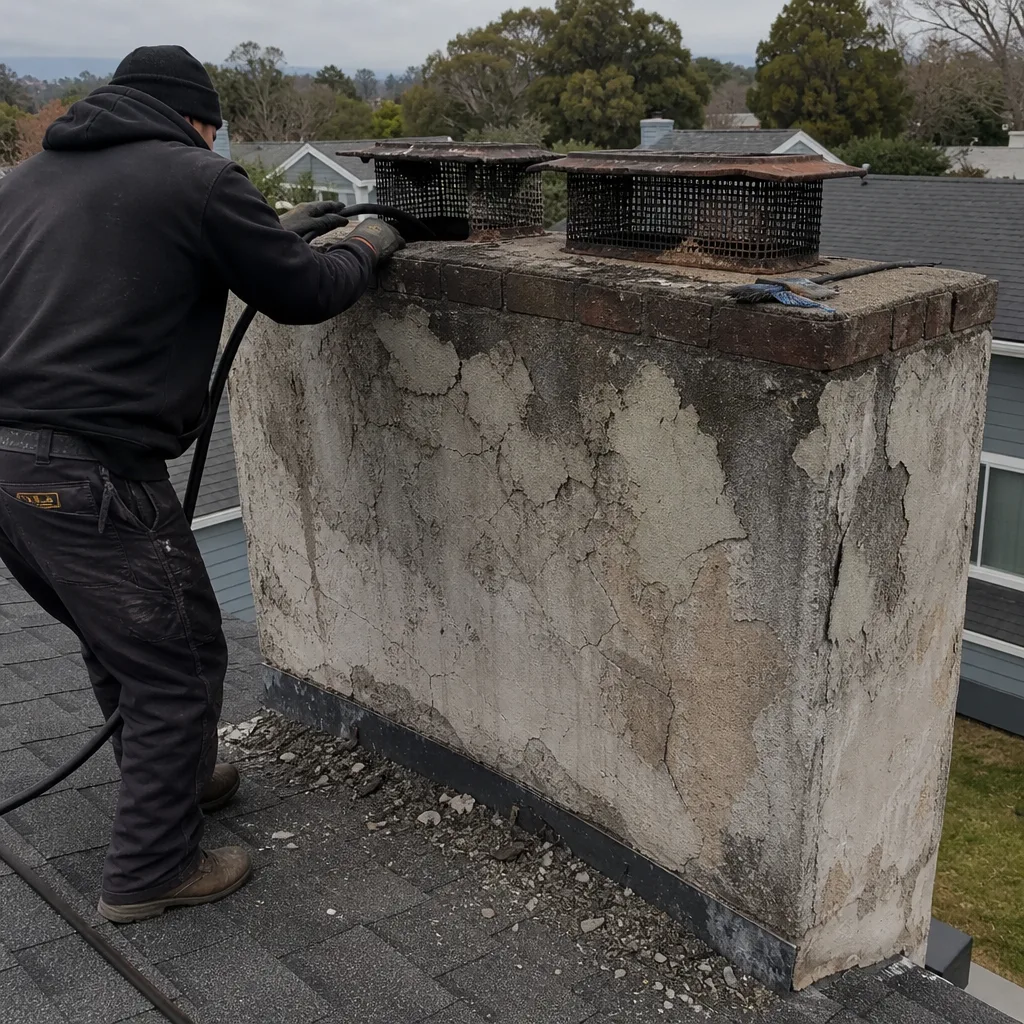 Before
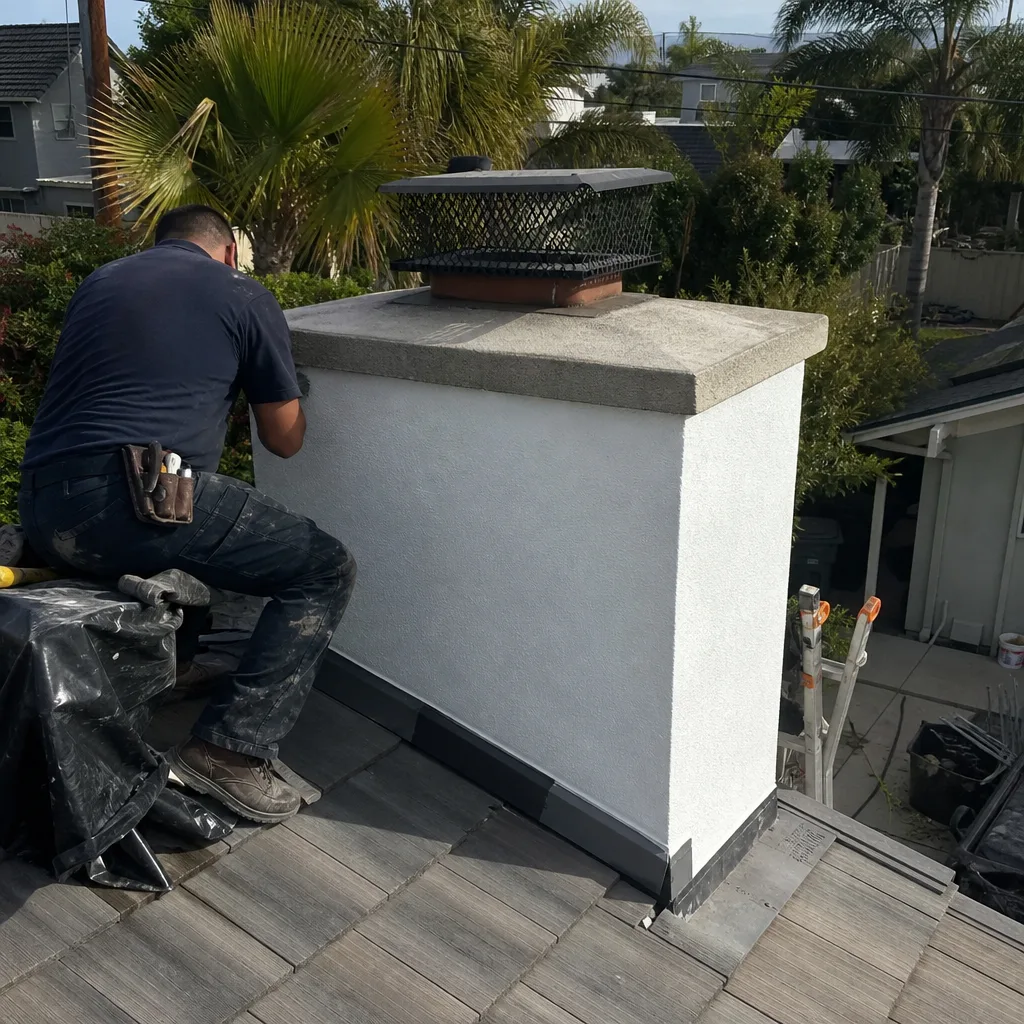 After
 Before
 After
 Before
 After