
 Gas fireplace service
 Sweep & inspection
 Caps & crowns
 Flue relining
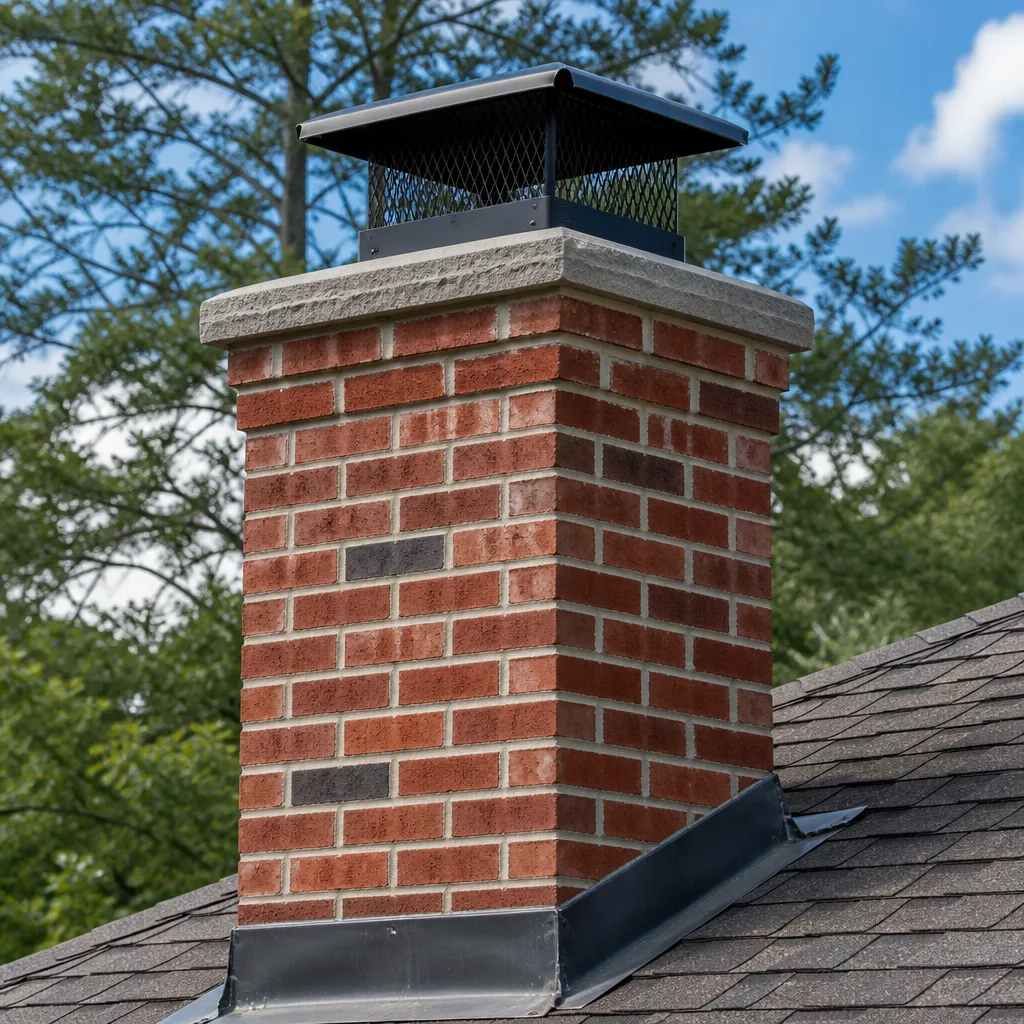 Masonry repair
Level 1 sweep and inspection to the NFPA 211 annual standard - flue, crown, cap, and flashing checked and photographed
Chimney sweep logs do not sweep chimneys. They loosen some creosote - which then falls where a brush and vacuum still have to collect it.
Why Santa Monica Homeowners Choose HeatShield Chimney Cleaning
We provide HeatShield in Santa Monica – independent chimney cleaning, inspection, and repair service throughout the city, and we’ve worked on more HeatShield-lined flues in this city’s older housing stock than most companies see in a decade. HeatShield is a cast-in-place ceramic cement liner system applied inside an existing clay flue, and when it’s installed correctly it’s a genuinely good product, but the marine layer here creates conditions that expose bad installs fast. What sets our HeatShield work apart is simpler than it sounds: we measure the actual flue before recommending anything, we document every finding with photos, and we treat an existing HeatShield liner as something to be assessed honestly, not automatically replaced. Steadfast Chimney Sweep is an independent service provider, not a HeatShield distributor or factory-authorized installer, and we say so plainly because it matters for warranty transparency. Call (833) 593-2844 for a straight answer about your fireplace.
Key Takeaways:
- HeatShield is a cast-in-place liner system, and its success in Santa Monica hinges on proper surface prep and sizing, which marine moisture regularly undermines.
- We service existing HeatShield liners and install new ones, but only after measuring the flue’s true internal diameter and documenting its condition.
- Salt air, fog, and long dormant seasons west of the 405 accelerate the exact failure modes HeatShield coatings are prone to when installed over damp clay.
- We are transparent about being independent, which means our recommendation isn’t product loyalty, it’s what the chimney actually needs.
Why Trust Steadfast Chimney Sweep for Your HeatShield Chimney Cleaning?
Nolan Hurst grew up in the Pico neighborhood of Santa Monica, where original fireplaces in pre-war bungalows and Spanish-style homes were ordinary fixtures, not architectural afterthoughts. He learned building systems fundamentals at Santa Monica College, then spent years on the Westside, including Venice, doing hands-on chimney and ventilation work before Steadfast existed. He’s seen what happens when a HeatShield resurfacing is applied by someone who didn’t account for a flue that’s been drinking fog for weeks.
We’re not factory reps, and we don’t need to be. What we bring instead is a technician’s familiarity with how HeatShield materials actually behave inside the flues of 1920s bungalows and mid-century duplexes in this city. We know the coating’s typical bond failure patterns over unprimed clay. We know the seal points at the flue top and appliance transitions where marine-driven moisture causes early separation. We know what a properly cured HeatShield liner sounds like when tapped versus one that’s gone chalky. That informal knowledge base comes from field work, not a product brochure, and it’s the reason we can give a Santa Monica homeowner – or one needing Westchester HeatShield service – an honest answer about whether their existing HeatShield liner is still doing its job or just occupying space in the chimney.
Styles & brands we work with
- Sweep & inspection
- Caps & crowns
- Flue relining
- Masonry repair
- Gas fireplace service
Common HeatShield Chimney Cleaning Problems We Fix in Santa Monica
These are the recurring HeatShield-specific failure patterns we see in Santa Monica’s fireplace stock. Not hypotheticals, this is what we document on camera during Level 2 inspections.
- Delamination of the HeatShield coating over damp or unprimed clay. The original clay flue absorbs moisture from coastal air. If the HeatShield resurfacing compound was applied before that clay was fully dried and primed, the coating doesn’t bond molecularly. Months or years later, it starts separating in sheets, dropping flake material onto the smoke shelf and into the firebox. We’ve opened fireboxes in Ocean Park where the floor was dusted with grey ceramic flakes before a single sweep was made. The fix usually requires removing all loose material, addressing the moisture source, and re-evaluating whether resurfacing or full relining is warranted.
- Seal failure at the flue top or at a furnace water-heater flue transition. HeatShield liners have transition points where the cast material meets clay tile, stainless connector, or the top termination. Salt air in Santa Monica oxidizes the adjacent metal components, causing movement, which cracks the HeatShield seal at the joint. Once that seal separates, creosote and soot can migrate into the chimney chase or into an interior wall cavity. This is a fire hazard and a carbon monoxide pathway issue, and it needs repair, not just visual confirmation. We inspect every transition point with a camera and document what the seal actually looks like.
- Improperly sized HeatShield liner causing restricted draft and smoke spillage. Cast-in-place liners are sized based on the flue’s internal diameter, and if the original ID was estimated rather than measured, the liner ends up too thick, the vent cross-section shrinks, and the fireplace starts spilling smoke at the firebox lip. In pre-war Santa Monica flues with non-standard dimensions, this is a common root cause of creosote buildup too, because the flue stays cooler and the smoke lingers longer. We measure the actual flue ID during our inspection, and we compare it against the installed liner’s documented OD rather than trusting the number on the old paperwork.
- Soft or chalky HeatShield material from improper curing. HeatShield products have specific cure windows involving temperature and humidity control. Applied during a damp Santa Monica stretch without proper cure management, the material can remain soft or eventually become chalky. This doesn’t necessarily mean the liner is dangerous, but it will fail a Level 2 inspection and it no longer provides the intended insulating value to protect adjacent combustibles. We can’t fix an under-cured liner by sweeping it, and we tell owners that plainly when we find it.
- HeatShield Plus system with failed insulation bonds in coastal homes. The insulated HeatShield Plus product includes an insulation layer that can separate from the structural liner if the flue sees repeated thermal cycling combined with moisture intrusion. This shows up as a void or a soft spot in the liner wall on camera. In Santa Monica, where many fireplaces get used only a few times a year and then sit through months of fog, the thermal cycling pattern is less frequent but the moisture exposure is constant, which creates a different failure profile than inland homes.
These aren’t sweeping problems in the conventional sense. They’re liner system failures that show up during chimney cleaning and inspection, and they all require a decision: repair what’s there or reline. We provide the camera evidence for that decision, not a guess.
HeatShield Parts & Our Repair-vs-Replace Approach
HeatShield systems use proprietary ceramic cement compounds and specific application procedures, and when someone calls us in to fix an existing HeatShield liner, we use current HeatShield-spec materials for the repair. That’s not negotiable. The coating chemistry has to match. For non-structural components at the top of the chimney, like caps, dampers, and stainless terminations, we source quality aftermarket parts when the OEM item is back-ordered or discontinued for older installations, and we’re upfront about that in the quote.
The honest part of the conversation comes when the liner itself has failed. A cast-in-place liner that’s delaminating in the upper third or has separated at a transition point is usually relined, not spot-patched. Spot repair on a failed cast system can buy time in the right circumstances, but we’d rather tell a Santa Monica homeowner the truth: if the bond has already failed over a large surface area, the existing material is a liability, and a new cast-in-place system evaluated against the measured flue ID is the repair that lasts. We also tell people when a HeatShield system is simply the wrong product for their chimney. Flues with severe structural cracks, oversized clay tile, or certain appliance-venting configurations can be better served by a stainless liner system. Our recommendation isn’t tied to a brand, because we’re not tied to a brand. If you want a second opinion on a HeatShield quote, call (833) 593-2844.
Our HeatShield Service Process – Step by Step
- 1
Diagnosis and camera inspection. We run a camera through the flue and document the existing HeatShield liner’s condition, the seal points, any moisture intrusion, and the actual measured flue ID. In Santa Monica’s damp environment, we check for bond failure and curing defects specifically. You get the photos and video.
- 2
Repair or reline recommendation. Based on what the camera shows, we explain in plain terms whether the existing HeatShield can be repaired, whether a new cast-in-place liner should be installed, or whether a different system makes more sense. You see the evidence that backs the recommendation.
- 3
Removal and preparation. If relining is warranted, the degraded existing material is swept out, the flue surface is prepared, and the chimney is repaired as needed at the top courses or transition points before any new HeatShield material is applied.
- 4
Installation and cure management. The HeatShield system is installed per the manufacturer’s current specifications, with attention to the cure requirements that coastal humidity amplifies. We don’t cut cure corners to finish faster, because a soft liner isn’t a liner.
- 5
Testing and documentation. After completion, we re-inspect with camera and provide a written report documenting the finished condition. If you have a warranty question on the previous install or the new one, that documentation is what protects you.
See the difference
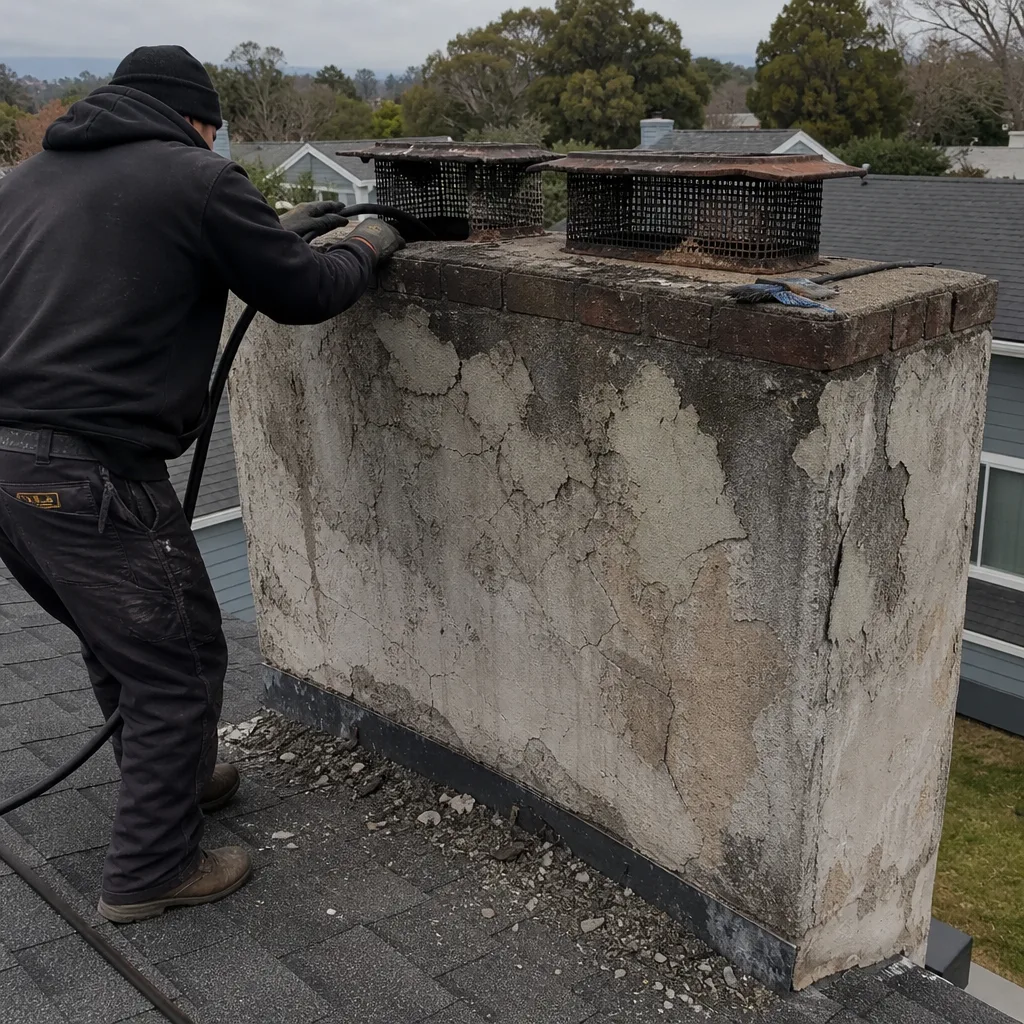 Before
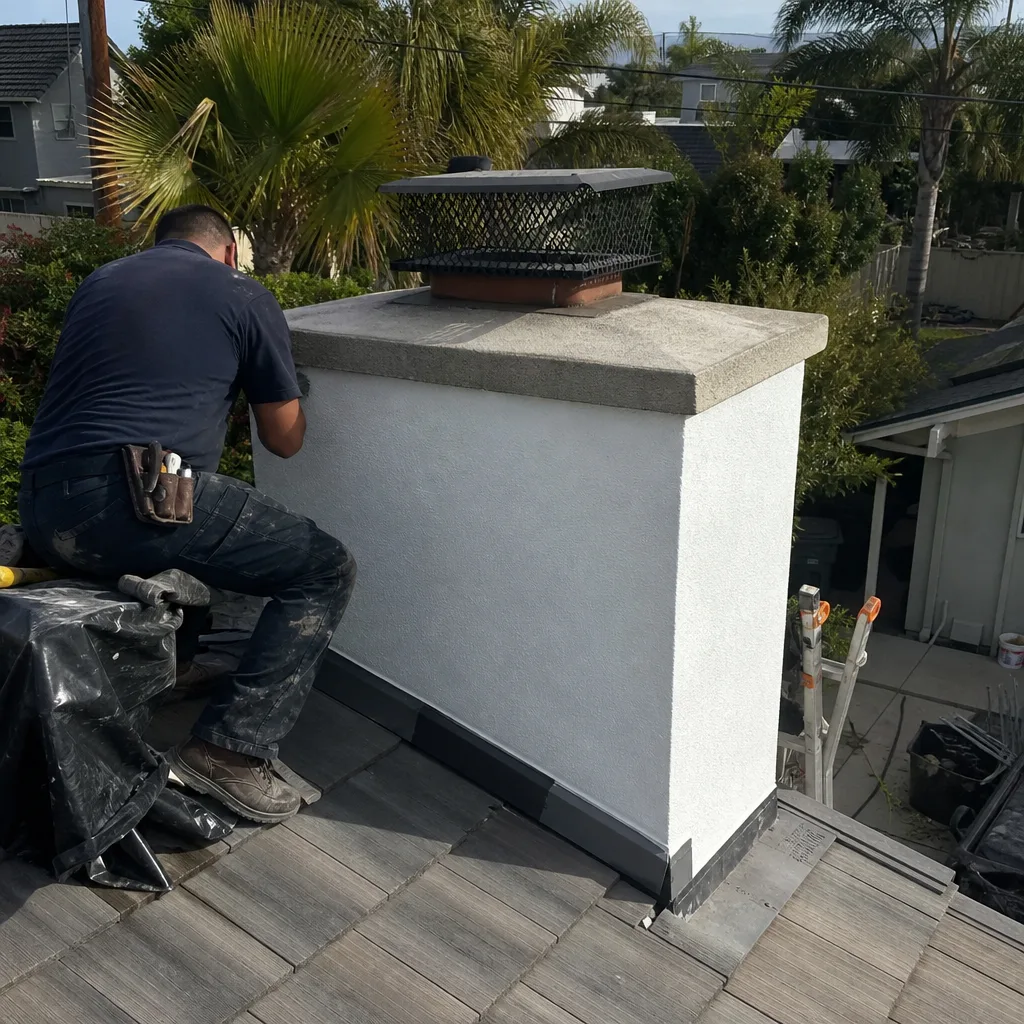 After
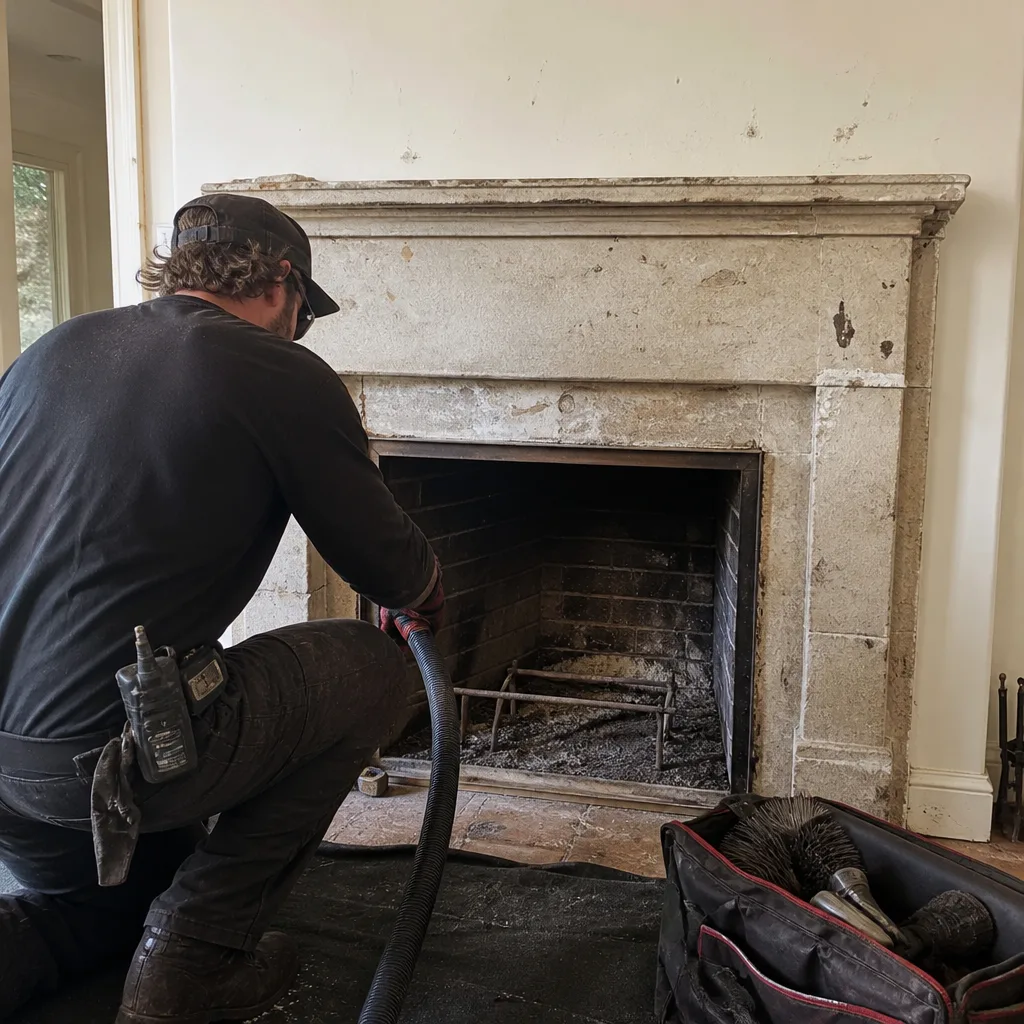 Before
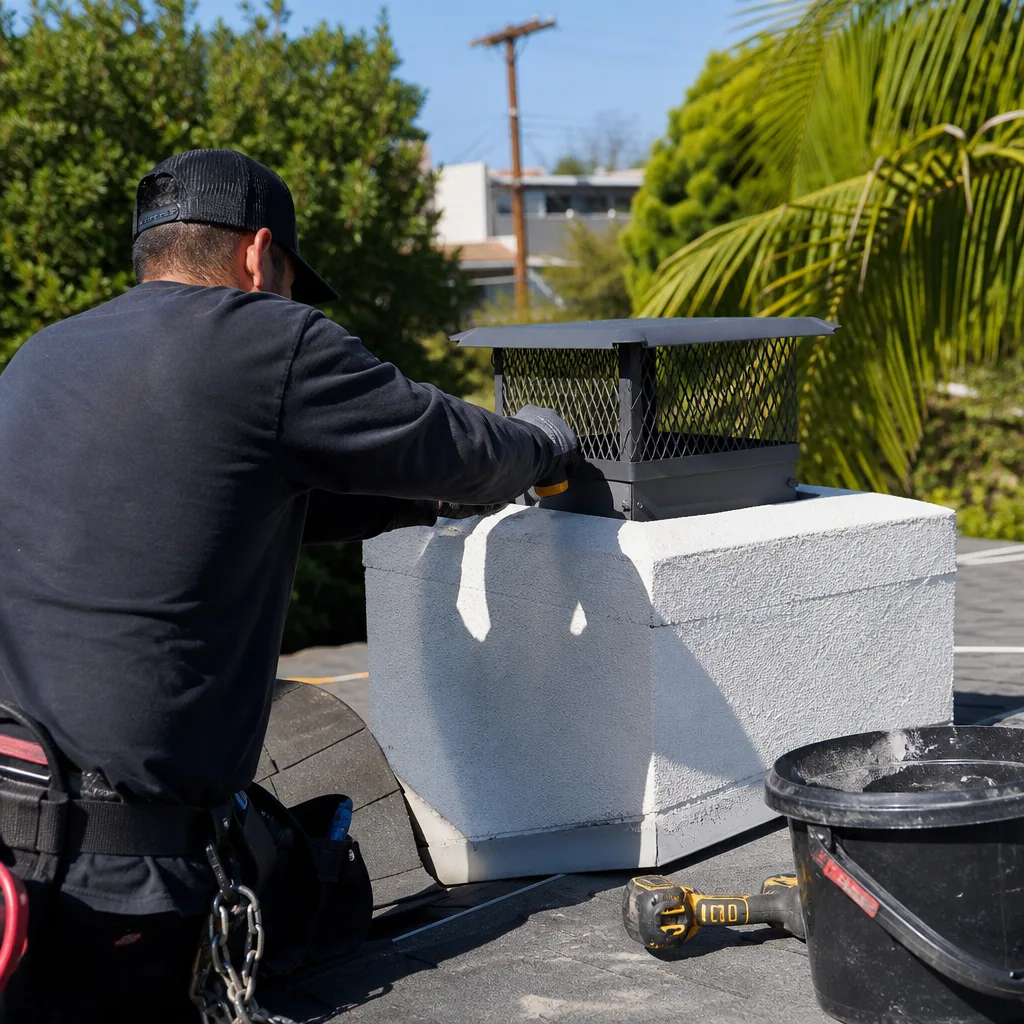 After
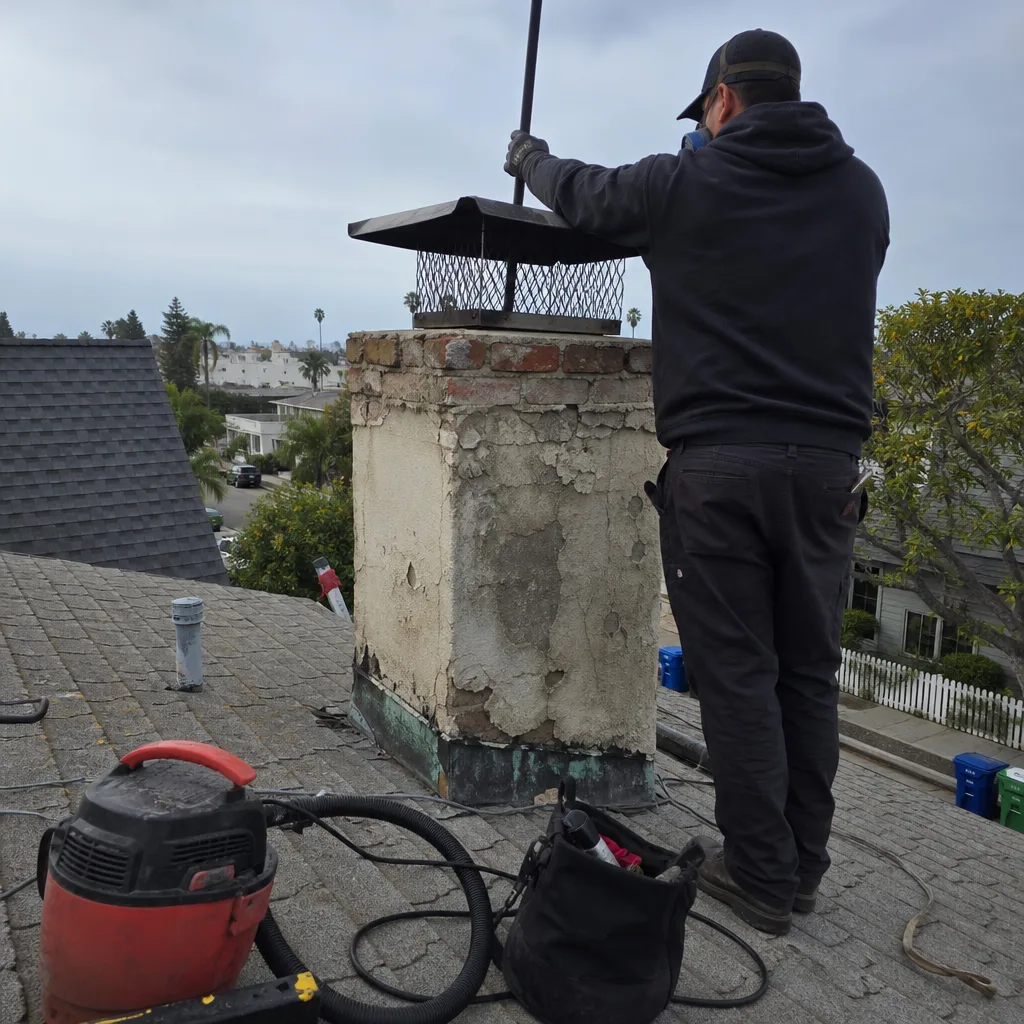 Before
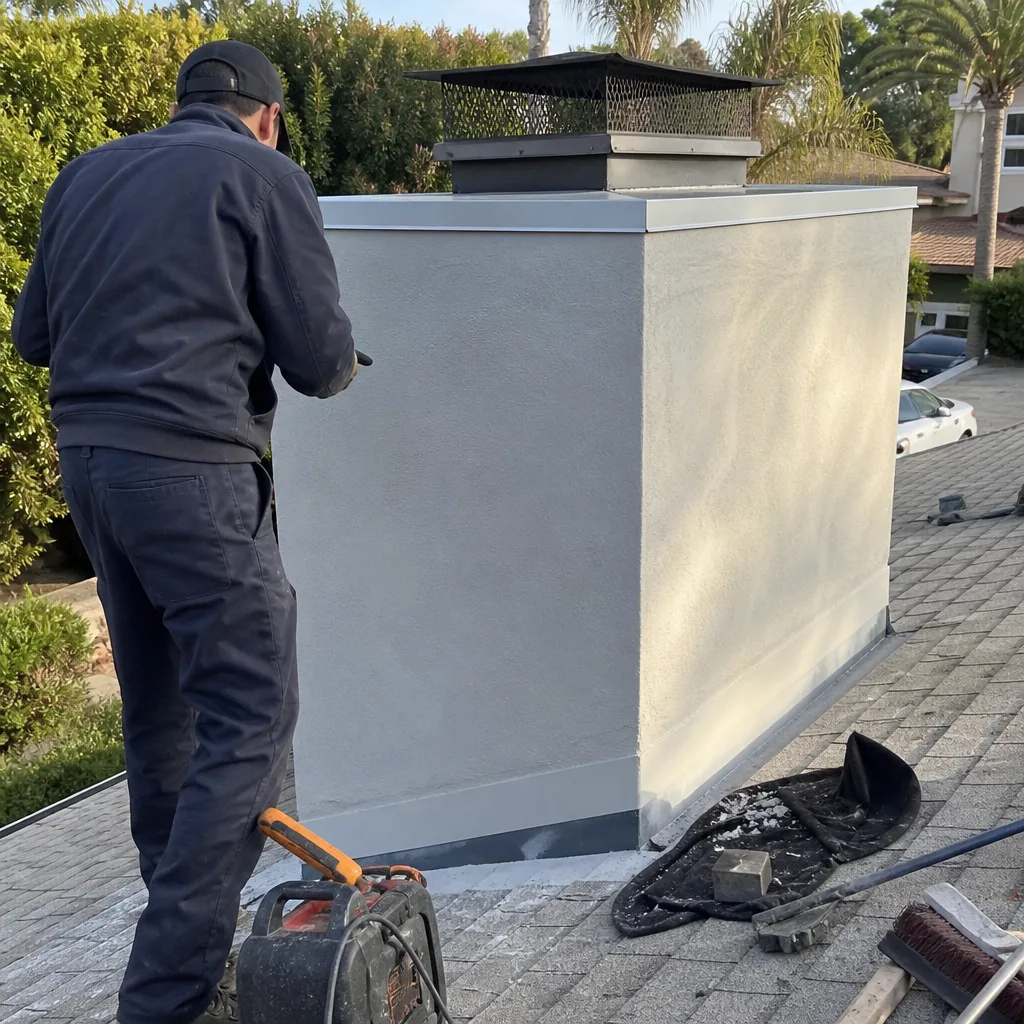 After
HeatShield Products We Service & Install in Santa Monica
We work across the HeatShield product family. The ArmorFlex cast-in-place flue relining system is the workhorse structural liner we install most often in Santa Monica’s pre-war masonry chimneys. The CeCure Sleeve system addresses clay flue resurfacing in less severely damaged flues, and the HeatShield Resurfacing System is what we use when the existing clay tile is sound and the issue is surface degradation rather than structural failure. For homes needing the highest insulation value, HeatShield PLUS is the insulated cast-in-place option we evaluate when clearance-to-combustibles questions come up on a Level 2 inspection.
We stock the core HeatShield application materials and common termination components locally, which means most HeatShield repair jobs in Santa Monica don’t wait on a distributor delivery from across the country. For specialized items, we order on a per-job basis and tell you the timeline up front.
We Also Service These Brands
Steadfast Chimney Sweep isn’t a single-brand shop, and we don’t want to be. Beyond HeatShield, we install and repair DuraFlex flexible stainless liner systems and work with Gelco caps and chimney covers. A chimney that’s better served by a stainless reline than a cast-in-place resurfacing is a choice we can make honestly, because we do both.
FAQs – HeatShield Chimney Cleaning Service in Santa Monica
A failed HeatShield liner shows up as flake or dust material falling into the firebox, visible cracks at the flue top or appliance transition points, or a soft chalky surface when the flue is inspected with a camera. The only way to confirm is a Level 2 camera inspection, and that’s what we do before recommending any action. If you’re seeing debris in the firebox, call (833) 593-2844 and we’ll get a camera in there.
Yes, if the liner is in sound condition, sweeping with the right brush type does not damage HeatShield material. The issue is that a degraded or improperly cured liner can be damaged further by aggressive mechanical sweeping, so we inspect first and adjust the method to what the liner can actually take. We won’t run a steel brush through a soft liner, period.
Not necessarily. A crack or seal separation at the top is often repairable if the rest of the liner is bonded and sound. We repair the top transition, address the cause, and re-inspect to confirm. The whole flue only gets redone when the camera shows widespread bond failure or structural compromise.
Depends on the condition of the existing flue and the clearance requirements of your specific chimney. Resurfacing works on sound clay with surface degradation; cast-in-place lining is the choice for structural repair. In Santa Monica’s damp coastal conditions, the prep work matters more than the product label, and we’ll tell you which one matches what your flue actually needs. Call (833) 593-2844 for an inspection and a straight recommendation.
Yes, it can, which is why sizing is the non-negotiable first step. A HeatShield liner reduces the vent cross-section, and if it’s not sized against the appliance’s draft requirements, you’ll get spillage, poor combustion, or venting problems. We don’t install a liner without measuring the flue and checking the appliance’s specs, and we won’t.
for a specific furnace or water heater flue transition that HeatShield liners are notorious for failing at.
HeatShield chimney cleaning in Santa Monica, which for us always includes a camera inspection, typically ranges from $200 to $375 depending on flue condition and accessibility. If the liner needs repair or full re-lining, that’s a separate quote based on what the camera shows, and we give you the number before any work starts. Call (833) 593-2844 for a free estimate built on what’s actually inside your chimney.
Book Your HeatShield Service in Santa Monica, CA
If you have a HeatShield-lined chimney in Santa Monica or need HeatShield in Sherman Oaks, or you’re considering one and want an honest assessment first, call (833) 593-2844. We’ll schedule a camera inspection, explain what we find in plain language, and give you a repair or reline recommendation backed by photos you can see for yourself. A clean flue isn’t a luxury, it’s just the baseline.
Written by Nolan Hurst, Owner at Steadfast Chimney Sweep, serving Santa Monica since well over a decade of hands-on chimney and ventilation work across the Westside.